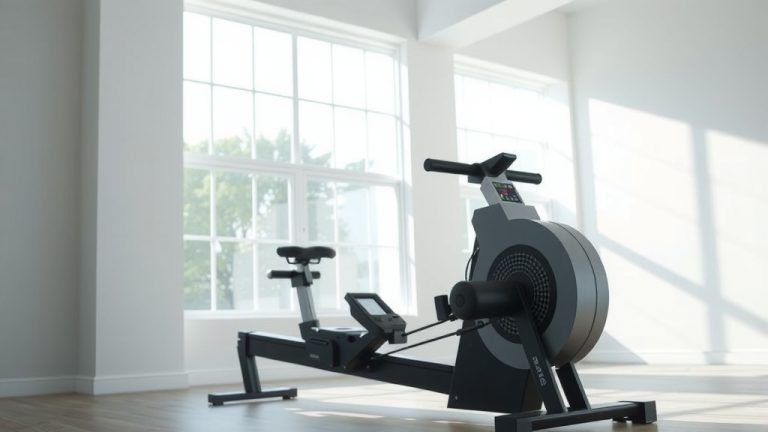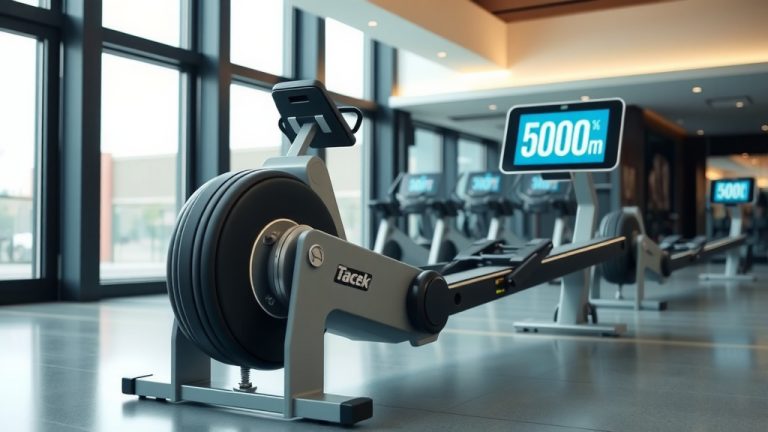
What Is a Rowing Machine?
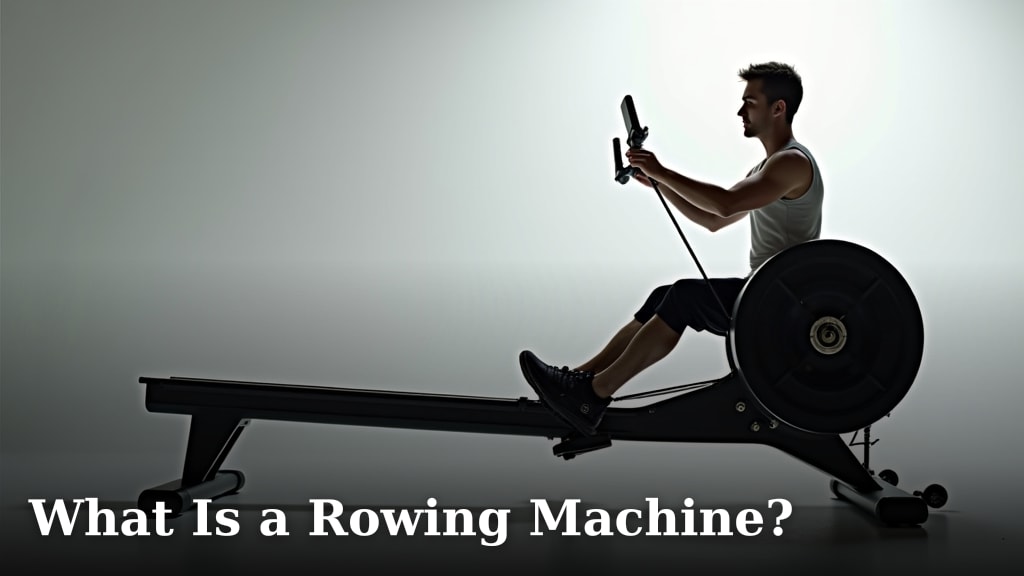
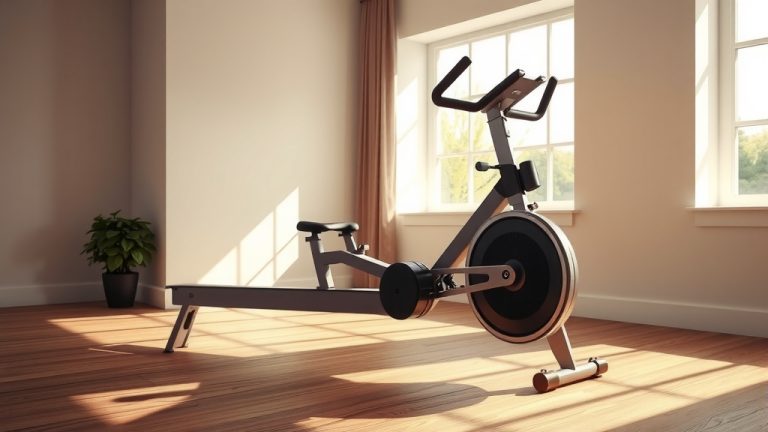
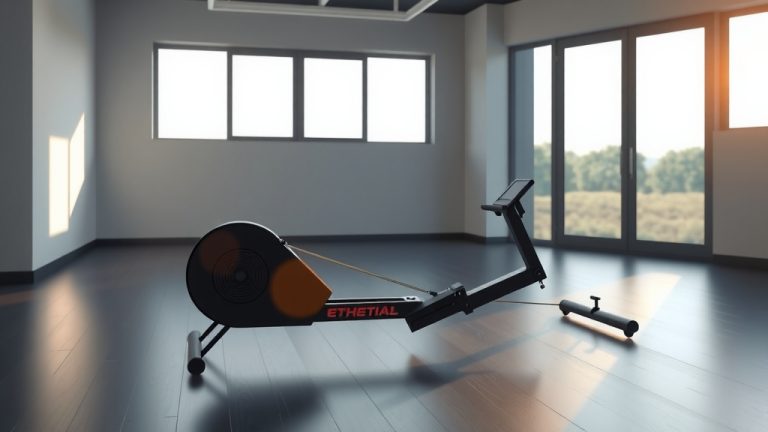
A rowing machine, often called an ergometer, is a fitness equipment item that simulates the action of rowing a boat on water. It provides a full-body workout by engaging multiple muscle groups simultaneously, making it an efficient exercise choice.
You use a rowing machine by sliding back and forth on a seat, pulling a handle towards your body, and pressing your feet against footrests. This coordinated movement works your legs, core, and arms, offering both cardiovascular and strength benefits. Many people find it a great way to stay active indoors.
- What a rowing machine is (and isn’t!).
- How it helps you get fit.
- The main parts of a rowing machine.
- Why it’s a popular workout choice.
Ready to learn more about how this piece of exercise equipment can boost your fitness? Let’s take a closer look at what a rowing machine is and how it works.
Unpacking the Rowing Machine’s Purpose and Design
A rowing machine is more than just a piece of exercise equipment. It’s an entire fitness system designed to mimic the full-body motion of rowing a boat. This means you’re engaging a wide range of muscles in a coordinated, rhythmic way.
Think of it as bringing the river to your living room. You get the benefits of water rowing without needing a boat or a body of water. It’s an exercise that’s been around for ages, and for good reason!
What Makes a Rowing Machine Tick?
Ever wonder what all those parts do? Each component of a rowing machine plays a vital role in giving you an effective workout. Understanding these pieces can help you use the machine better and avoid common mistakes.
The Main Components You’ll Interact With
Let’s break down the key parts you’ll see and use on any rowing machine. These interact to create the smooth, fluid motion that makes rowing so effective and enjoyable.
- Seat: This is where you sit. It typically slides back and forth on a rail.
- Footrests (or Foot Stretchers): These are where you place your feet. They usually have straps to keep your feet secure during your stroke.
- Handle (or Handlebar): This is what you grip. You pull it towards your body during each stroke.
- Flywheel/Resistance System: This is the core of the machine’s resistance. It creates the “drag” that pushes against your effort.
- Rail (or Monorail): The long track along which your seat moves.
How Rowing Machines Deliver a Full-Body Workout
You might be surprised by how many muscles you use during a single rowing stroke. It’s often touted as one of the most complete workouts you can do. Let’s look at how it manages this.
When you row, you’re not just moving your arms. You’re combining a powerful push from your legs, a strong engagement of your core, and a pull from your upper body. This sequence is key to its effectiveness.
Many fitness experts consider rowing to be a compound exercise because it involves so many different muscle groups working together (American Council on Exercise).
Engaging Over 85% of Your Muscles
It’s true! We found that rowing can activate a huge percentage of your body’s muscle mass. This makes it incredibly efficient if you’re short on time but want to feel like you’ve really worked out.
- Legs (60%): Your glutes, quadriceps, and hamstrings provide the initial powerful push away from the footrests. Think of it like a squat.
- Core (20%): Your abdominal muscles and back stabilizers work to connect your upper and lower body and maintain posture. This helps transfer power and protects your spine.
- Upper Body (20%): Your back muscles (lats, rhomboids), shoulders, and biceps are involved in pulling the handle towards your body.
The Incredible Health Benefits You Can Expect
Besides being a great workout, rowing offers a host of benefits for your overall health. It’s not just about building muscle; it’s about improving your body’s engine.
From your heart to your joints, a rowing machine can make a big difference. It’s a smart choice for many different fitness levels and goals.
Cardiovascular Fitness and Endurance
Want a stronger heart? Rowing is an excellent choice. It gets your heart rate up and helps improve your cardiovascular system’s efficiency. This means you’ll have more stamina for daily activities.
Regular rowing can help improve your lung capacity too. As your body adapts, you’ll find yourself able to exercise longer and with greater ease. It’s like training your internal marathon runner.
Strength Building and Toning
While often thought of as a cardio exercise, rowing builds strength. The resistance involved helps tone muscles throughout your body. You’ll notice improvements in your legs, core, and upper back.
It also contributes to better bone density, especially in the weight-bearing parts of your body. This is a valuable, often overlooked, benefit as we age.
Low-Impact Exercise for Joint Health
Concerned about your joints? Many exercises can be hard on your knees or hips. Rowing offers an effective workout without the jarring impact of activities like running.
Because you’re seated and moving in a controlled manner, there’s less stress on your joints. This makes it a fantastic option if you’re recovering from injury or simply want a gentler approach to fitness.
The Centers for Disease Control and Prevention (CDC) often recommends low-impact activities for maintaining joint health and reducing injury risk.
Understanding Different Types of Rowing Machine Resistance
Not all rowing machines are alike! The biggest difference often lies in how they create resistance. This directly impacts the feel of your stroke and even the noise level.
Knowing the differences can help you choose the right machine for your needs and preferences. Let’s look at the main types you’ll encounter.
| Resistance Type | How It Works | Feel of the Stroke | Noise Level |
|---|---|---|---|
| Air Resistance | Fan blades spin as you pull, creating drag. More effort = more resistance. | Smooth, natural, mimics water rowing. | Moderate (whoosh sound). |
| Magnetic Resistance | Magnets moving past a flywheel create resistance. Adjustable with a dial. | Very smooth, consistent, no “catch” at the start. | Quiet (almost silent). |
| Water Resistance | Paddles in a tank of water create drag. More effort = more resistance. | Most realistic to on-water rowing. | Moderate (sloshing water sound). |
| Hydraulic Piston | Hydraulic cylinders provide resistance. Often found on compact models. | Less natural, sometimes jerky. Often independent arm movement. | Quiet to moderate (hissing). |
As you can see, each type offers a slightly different experience. Consider what’s most important to you: ultimate realism, quiet operation, or a budget-friendly option.
Why Rowing Machines Are a Smart Fitness Choice
There are many reasons why people gravitate towards rowing machines for their fitness journey. Maybe it’s the efficient workout, or perhaps the low impact. Let’s dive into some of these attractions.
You’re not alone in thinking about adding a rower to your routine. They’ve gained massive popularity in recent years, and for good reason!
Efficiency and Time-Saving Workouts
In our busy lives, finding time for exercise can be tough. A rowing machine helps you maximize your workout time. Because it works so many muscles, you can achieve a great session in a shorter period.
Imagine getting cardio and strength training done in one go – that’s the power of rowing. It’s a perfect solution for those days when you can’t commit to a longer, multi-exercise routine.
Suitable for Various Fitness Levels
Whether you’re a seasoned athlete or just starting your fitness journey, a rowing machine can work for you. You control the intensity of your workout. Pull harder for more resistance, or ease up for a gentler session.
This adaptability makes it a versatile tool for everyone in the family. You can progress at your own pace without feeling overwhelmed.
Building a Consistent Exercise Routine
Consistency is key to seeing results. Having a piece of equipment that you enjoy and that delivers such broad benefits can help you stick to your routine. It takes away the excuses!
Many users report that rowing can be almost meditative due to its repetitive, rhythmic motion. This can make it easier to commit to regular sessions.
Considering a Rowing Machine for Your Home?
If you’re thinking about investing in a rowing machine, there are a few things to keep in mind. You want to make sure it’s the right fit for your space and your fitness goals.
Before you jump in, ask yourself these questions. This can help you narrow down your choices when you start looking at models.
- Do you have enough space for it, especially when stored?
- What’s your budget range for fitness equipment?
- How important is quiet operation to you?
- What kind of workout experience are you hoping for (realistic, intense, gentle)?
- How often do you realistically plan to use it each week?
Answering these questions will guide you toward making an informed decision. Remember, a good fitness machine is one you’ll actually use!
Conclusion
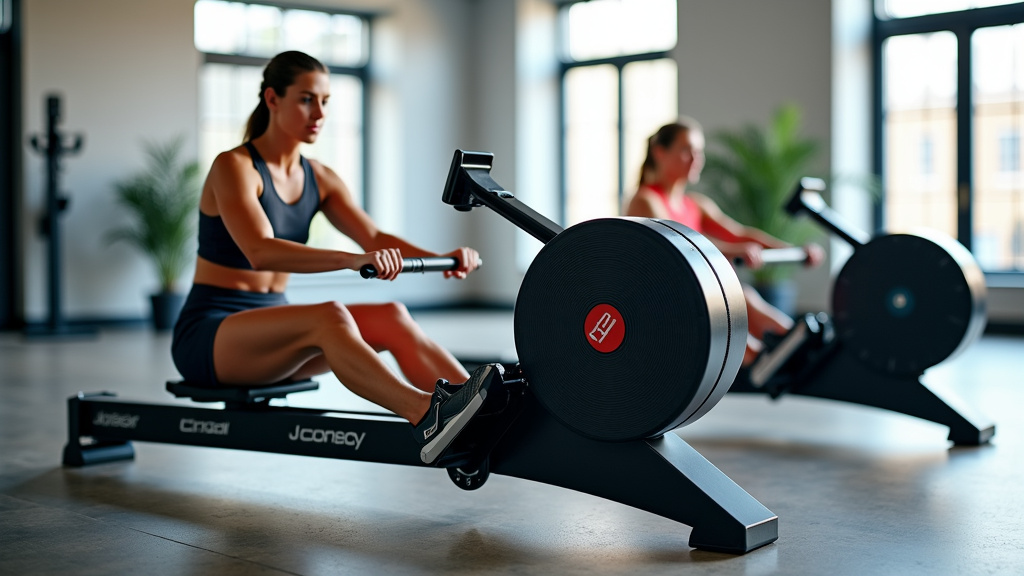
You’ve seen that a rowing machine is more than just gym equipment; it’s a powerful tool for boosting your overall fitness. It delivers a full-body, low-impact workout, engaging over 85% of your muscles while building both strength and cardiovascular health. We’ve gone over its key parts, how different resistance types feel, and why it’s such an efficient choice for any fitness level.
Ready to experience the versatility and effectiveness of rowing for yourself? Consider what type best fits your lifestyle and space. Your body will thank you for taking the plunge into this highly beneficial form of exercise.
Frequently Asked Questions
Is a rowing machine good for weight loss?
Yes, a rowing machine can be an excellent tool for weight loss. It burns a lot of calories because it uses so many muscle groups simultaneously. Combined with a balanced diet, consistent rowing can help you create the calorie deficit needed for weight loss.
How long should a beginner row on a machine?
If you’re new to rowing, start with shorter sessions to build technique and endurance. Aim for 10-15 minutes, three to four times a week. You can gradually increase your duration and intensity as your fitness improves, listening to your body along the way.
Does rowing tone your stomach?
Rowing significantly engages your core muscles, including your abdominal muscles, to stabilize your body during each stroke. While it won’t spot-reduce fat, regular rowing helps to strengthen and tone your stomach and obliques as part of a full-body workout.
Is rowing better than running for cardio?
Both rowing and running offer great cardiovascular benefits. However, rowing is a lower-impact exercise, making it gentler on your joints than running. Rowing also provides a more complete full-body workout, engaging more muscle groups than running alone.
Can you get big muscles from rowing?
While rowing primarily builds muscular endurance and tones muscles, it can contribute to muscle growth, especially in your legs, back, and arms. It’s a strength-building exercise, but it typically leads to lean muscle development rather than significant bulk, similar to moderate weight training.