Can You Lose Weight Using a Rowing Machine?
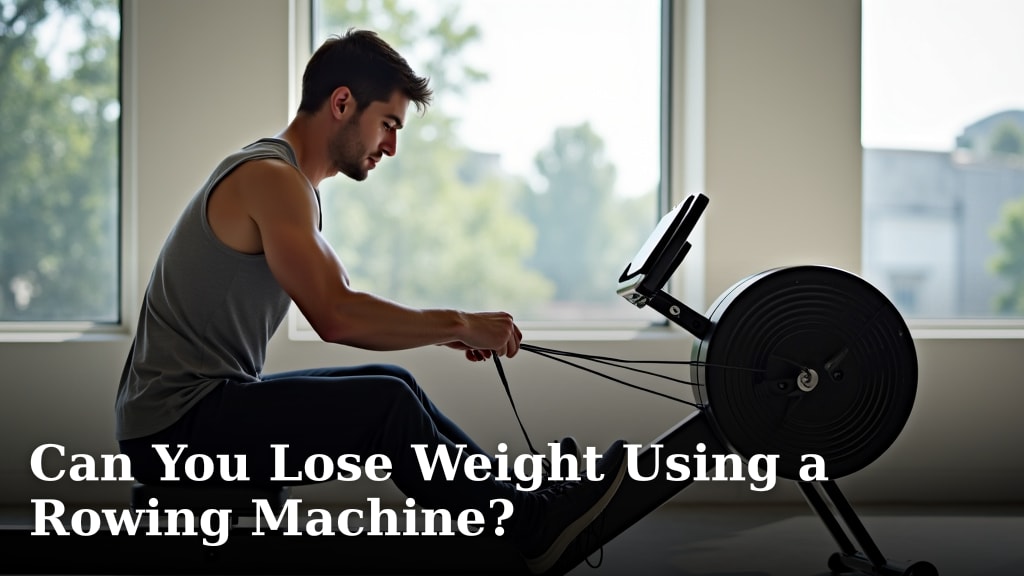
Yes, you can absolutely lose weight using a rowing machine. Rowing is a powerful way to burn calories and build muscle. We found it’s a fantastic choice for full-body fitness and weight management.
Rowing engages a surprising number of muscle groups in your body. This makes it a highly efficient exercise for calorie expenditure. When you combine rowing with a balanced diet, you’ll see great results in your weight loss journey.
- Rowing burns lots of calories.
- It works many muscles at once.
- This helps with fat loss.
- Consistency is key for results.
- Combine it with healthy eating.
Ready to learn how a rowing machine can transform your fitness? Let’s dive into all the details and get you started on the right stroke.
Rowing for Weight Loss: How It Works Its Magic
You’re wondering how exactly a rowing machine helps you shed those extra pounds. It comes down to a simple, effective combination of calorie burning and muscle building.
Every stroke on a rower engages a significant portion of your body. This makes it an incredibly efficient exercise. You’re not just moving your arms or legs; you’re working almost everything at once.
The Calorie-Burning Powerhouse
One of the biggest reasons rowing is great for weight loss is its ability to incinerate calories. When you burn more calories than you consume, your body starts to use stored fat for energy.
Think of your body as a car. Calories are the fuel. If you use more fuel than you put in, your car will start to use its reserves. That’s what happens with fat loss.
How Many Calories Can You Burn?
The exact number of calories you burn rowing depends on a few things. Factors like your body weight, intensity, and duration all play a role. But we found that rowing is generally in the upper tier for calorie expenditure.
- Body Weight: Heavier individuals typically burn more calories.
- Intensity: The harder you row, the more calories you’ll expend.
- Duration: Longer workouts naturally lead to more calories burned.
For example, a person weighing 185 pounds can burn around 316 calories in 30 minutes of moderate rowing. Bump that up to vigorous rowing, and they could burn closer to 377 calories (Harvard Health Publishing).
That’s similar to or even better than many other popular aerobic exercises. It’s truly a calorie crusher.
Full-Body Muscle Engagement
Another big win for rowing is its full-body nature. You’re not just doing cardio; you’re also getting a significant strength workout. This combination is a powerful ally in your weight loss journey.
Many experts say that rowing uses about 86% of your body’s muscles in a single stroke. That’s a lot of muscles working together!
Muscles Worked During a Rowing Stroke
Let’s break down where the work is happening in your body as you row. It’s more than just arms and legs.
| Phase of Stroke | Primary Muscle Groups Engaged |
|---|---|
| The Catch (start) | Shoulders, Triceps, Abs, Hamstrings, Calves |
| The Drive (push back) | Quadriceps, Glutes, Hamstrings, Calves, Lats, Erector Spinae (back) |
| The Finish (lean back) | Lats, Biceps, Trapezius, Posterior Deltoids, Abs, Glutes |
| The Recovery (return forward) | Triceps, Shoulders, Hamstrings, Abs, Glutes (controlled return) |
As you can see, you’re engaging your legs, core, back, and arms. This comprehensive approach is what makes rowing so effective. More muscle engagement means more calories burned and better overall fitness.
Beyond the Burn: Metabolic Boost
When you build more muscle, your body becomes a better fat-burning machine. Muscle tissue burns more calories at rest than fat tissue does.
So, as you row and build muscle, you’re essentially increasing your resting metabolic rate. This means you’ll be burning more calories even when you’re not exercising. Pretty neat, right?
It’s like upgrading your body’s engine to be more efficient at using fuel. That sustained metabolic boost is a secret weapon for long-term weight management.
Creating Your Rowing Workout Plan for Weight Loss
Knowing that rowing helps is one thing; putting it into practice is another. Let’s talk about how you can structure your rowing workouts to maximize weight loss.
Consistency and variety are your best friends here. You want to make rowing a regular part of your routine while also keeping things interesting.
Frequency and Duration: Finding Your Rhythm
How often should you row, and for how long? We found that starting small and building up is often the most sustainable approach. Don’t try to do too much too soon.
- Aim for at least 3-5 rowing sessions per week.
- Start with 20-30 minutes per session.
- Gradually increase duration as your fitness improves.
Listen to your body. Some days you might feel up for a longer session, other days a shorter, more intense one might be better. The key is to be consistent.
Varying Your Intensity: High-Intensity Interval Training (HIIT) vs. Steady State
You have a couple of main ways to approach your rowing workouts: steady-state cardio or high-intensity interval training (HIIT). Both are excellent for weight loss, and combining them can offer the best results.
Steady-State Rowing
This is where you row at a consistent, moderate pace for an extended period. You should be able to hold a conversation, but just barely. This builds your aerobic endurance.
It’s great for burning a good number of calories over time. Plus, it’s often more enjoyable for beginners as it’s less taxing than HIIT.
High-Intensity Interval Training (HIIT) on the Rower
HIIT involves short bursts of very intense exercise followed by brief recovery periods. This method is a fantastic calorie burner and can continue to burn calories even after your workout ends (the “afterburn effect”).
A typical HIIT rowing workout might look like:
- Warm-up for 5 minutes at a moderate pace.
- Row as hard as you can for 1 minute.
- Rest or row very lightly for 2 minutes.
- Repeat the intense row/rest cycle 4-6 times.
- Cool down for 5 minutes.
HIIT is challenging, but the results can be worth it. It’s a powerful tool for boosting your metabolism and shedding fat.
Maximizing Your Weight Loss Results
A rowing machine is a powerful tool, but it’s part of a bigger picture. To truly get the most out of your efforts, remember that exercise and diet go hand-in-hand.
The Crucial Role of Nutrition
You’ve heard it before, and we can’t stress it enough: you can’t out-row a bad diet. What you eat plays a massive role in your weight loss success.
Focus on whole, unprocessed foods. Think lean proteins, plenty of vegetables, fruits, and healthy fats. Limit sugary drinks and processed snacks.
Creating a slight calorie deficit through diet is essential. This means eating slightly fewer calories than your body needs to maintain its current weight.
Setting Realistic Goals and Tracking Progress
It’s easy to get discouraged if you expect instant results. Weight loss is a journey, not a race. Set small, achievable goals.
Track your progress, but don’t just focus on the number on the scale. How do your clothes fit? Do you feel stronger? Are you sleeping better?
These non-scale victories are just as important and can keep you motivated.
A Checklist for Your Rowing Weight Loss Plan
Here’s a quick checklist to help you stay on track with your rowing for weight loss:
- Include rowing sessions 3-5 times a week.
- Vary your workouts with both steady-state and HIIT.
- Prioritize a balanced diet focused on whole foods.
- Create a small, sustainable calorie deficit each day.
- Track your progress and celebrate non-scale victories.
- Stay hydrated by drinking plenty of water.
Remember, consistency is truly the magic ingredient. Every stroke brings you closer to your goals.
Conclusion
So, can you lose weight using a rowing machine? Absolutely, yes! We’ve seen how rowing offers a powerful combination of high calorie burn and full-body muscle engagement. This makes it an incredibly efficient tool for your fitness and weight loss goals.
By incorporating consistent rowing sessions, varying your intensity with steady-state and HIIT workouts, and coupling it with a mindful, balanced diet, you’re setting yourself up for success. Remember, consistency truly is the key to seeing lasting results.
Start your rowing journey today and experience the difference this dynamic workout can make for your body and overall well-being!
Frequently Asked Questions
Is rowing better for weight loss than running?
Both rowing and running are excellent for calorie burning and weight loss. Rowing offers a significant advantage by engaging almost all major muscle groups, providing a more complete full-body workout that also builds muscle. This can lead to a higher resting metabolic rate, burning more calories even when you’re not exercising.
How long does it take to see weight loss results from rowing?
The timeline for seeing weight loss results varies greatly depending on your starting point, diet, and consistency. With regular rowing sessions (3-5 times a week) and a calorie-controlled diet, many people start to notice changes within a few weeks to a month. Focus on sustainable habits for long-term success.
Can a rowing machine help me lose belly fat specifically?
While rowing is fantastic for overall fat loss, including reducing fat around your midsection, you can’t “spot train” or choose where your body loses fat first. As you consistently burn calories and create a deficit through rowing and diet, your body will naturally reduce fat from all areas, including your belly.
Do I need any special technique to row for weight loss?
Proper rowing technique is crucial for both effectiveness and injury prevention. Focus on using your legs for power first, followed by your core, and then your arms. There are many online resources and videos that can help you learn the correct form, which will maximize your calorie burn and muscle engagement.
What if I’m a beginner? How do I start rowing for weight loss?
If you’re new to rowing, start slowly with shorter sessions (15-20 minutes) at a moderate, comfortable pace. Focus on learning proper form before increasing intensity or duration. Gradually add more time or incorporate short bursts of higher intensity as your fitness improves. Listen to your body and don’t overdo it.