Is a Rowing Machine Worth It?
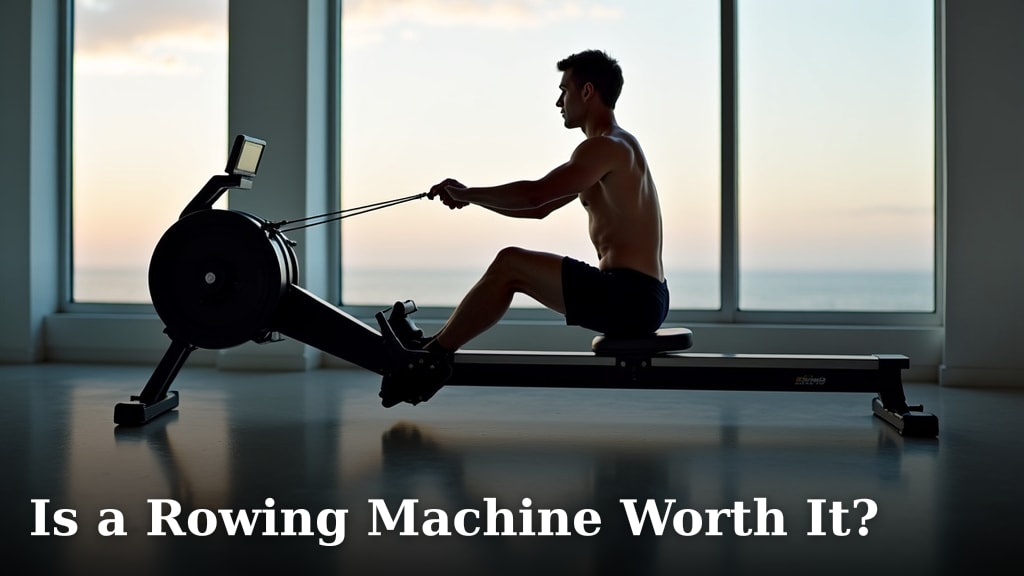
Yes, a rowing machine is worth it for most people looking for an effective, full-body workout at home. We found that it offers an excellent mix of cardiovascular conditioning and strength training, often with a low impact on your joints.
Are you trying to decide if adding a rower to your home gym is a smart move? Many experts say rowing machines provide a fantastic way to boost your fitness without needing a ton of equipment. You get a lot of bang for your buck with a good rowing machine.
- Rowers offer a full-body workout.
- They are gentle on your joints.
- You can burn a lot of calories.
- Many models fit well in home spaces.
- Rowing can improve endurance and strength.
Let’s dive into all the benefits and considerations to help you decide if a rowing machine is the right fit for your fitness journey.
Is a Rowing Machine a Smart Investment?
Yes, for many people, a rowing machine is an excellent investment in their health and fitness. It provides a highly efficient workout that targets nearly every major muscle group.
You’re probably wondering if dedicating space and money to a rower makes sense for your lifestyle. We’ve looked into the specifics, and there are many reasons why it could be a great fit for you.
The Full-Body Workout Powerhouse
One of the biggest draws of a rowing machine is its ability to engage your entire body. When you row, you’re not just working your legs or your arms.
We found that a proper rowing stroke uses about 86% of your muscles (American Fitness Professionals & Associates). That’s an incredible number, isn’t it? It means you’re getting a lot done in one workout session.
Muscles Worked During Rowing
Let’s break down which muscle groups get the most attention. You’ll activate your legs, core, and upper body in a balanced way.
- Legs: Your quadriceps and hamstrings drive the initial powerful “drive” phase. Think of it like a leg press.
- Glutes: These large muscles in your backside get a great workout as you push back from the foot stretchers.
- Core: Your abdominal and back muscles stabilize your torso throughout the entire movement. This helps transfer power from your legs to the handle. A strong core is vital for everyday life too (Mayo Clinic).
- Back: Your lats (latissimus dorsi) and rhomboids pull the handle towards your body. This helps create that V-shape in your upper back.
- Arms & Shoulders: Your biceps and triceps finish the stroke, pulling the handle in. Your deltoids (shoulders) assist in this pulling motion.
This comprehensive muscle engagement leads to balanced strength and muscular endurance. You won’t find many other home fitness machines that offer such a complete package.
Cardio and Strength in One Go
Imagine getting your heart rate up and building strength at the same time. That’s exactly what a rowing machine offers. It’s a fantastic two-for-one deal for your fitness goals.
You can tailor your rowing workout to focus more on either cardiovascular fitness or strength. Short, intense bursts will challenge your power, while longer, steady rows build endurance.
High-Intensity, Low-Impact Exercise
Are you concerned about joint pain? Many people are, especially as they get older or if they’ve had past injuries. This is where rowing really shines.
Rowing is a non-impact exercise. Your feet stay connected to the footrests, and your body moves smoothly along a track. This means less stress on your knees, hips, and ankles compared to activities like running or jumping.
Despite being low impact, it can still deliver a very high-intensity workout. You can quickly raise your heart rate and challenge your cardiovascular system without the jarring forces (Cleveland Clinic).
Calorie Burning Potential
If weight management is one of your goals, you’ll be happy to hear that rowing machines are calorie-burning machines. Because so many muscles are involved, your body needs a lot of energy to power the movement.
We found that a 150-pound person can burn around 250-300 calories in just 30 minutes of moderate rowing. Push yourself harder, and those numbers climb even higher.
This makes rowing an efficient choice if you have limited time but want to maximize your calorie expenditure.
Space Considerations for Your Home
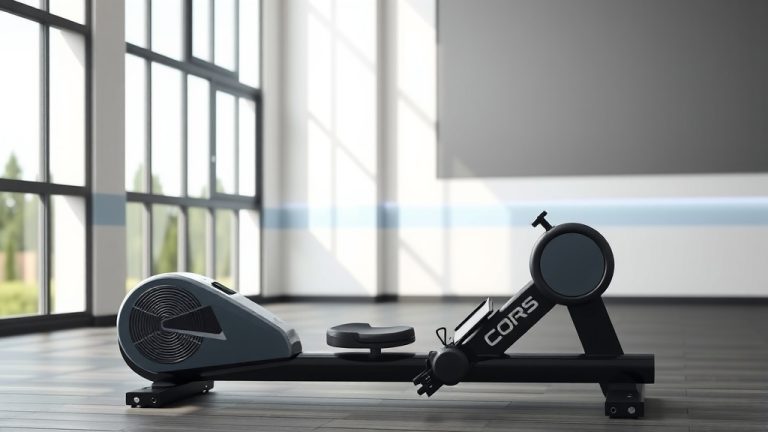
You might be picturing a giant machine taking over your living room. While some rowers are large, many modern home rowing machines are designed with space-saving features in mind.
Many models can be stored upright or folded. This makes them much more practical for apartments or smaller homes. Always check the dimensions and storage options before buying.
| Feature | Benefit for Home Use |
|---|---|
| Foldable Frame | Reduces footprint significantly when not in use. |
| Upright Storage | Allows the machine to stand vertically, using less floor space. |
| Transport Wheels | Makes it easy to move the rower in and out of a storage area. |
| Adjustable Resistance | Offers varying workout intensities for all fitness levels. |
A good rule of thumb is to measure your available space, both for use and storage, before you start shopping. You’ll be glad you did.
Accessibility and User-Friendliness
Rowing machines are surprisingly easy to learn. The basic movement is intuitive, and most machines come with clear instructions or even built-in workout programs.
Whether you’re a seasoned athlete or just starting your fitness journey, you can quickly get the hang of it. You control the intensity, so you can always go at your own pace.
Mental Well-being Benefits
Exercise isn’t just good for your body; it’s fantastic for your mind. Rowing provides a rhythmic, repetitive motion that can be almost meditative.
The consistent stroke can help you focus, calm your mind, and reduce stress. We know that regular physical activity can significantly improve mood and decrease feelings of anxiety (NIH).
Plus, the sense of accomplishment after a tough rowing session is a great way to boost your self-esteem and mental resilience.
Durability and Longevity
A rowing machine is often built to last. Many models use robust materials like steel and aluminum. Investing in a good quality rower usually means it will be a reliable piece of equipment for years to come.
While the initial cost might seem like a lot, consider it an investment in your long-term health. Over time, it can pay for itself by saving you gym membership fees or costly trips to a physical therapist.
Things to Consider Before Buying
While the benefits are many, it’s wise to think about a few things specific to you before making a decision. No piece of equipment is perfect for everyone.
Here’s a quick checklist to help you decide if a rowing machine aligns with your needs:
- Do you have enough dedicated space for both use and storage?
- Are you looking for a full-body, low-impact workout?
- Is improving both cardio and strength a priority?
- Do you enjoy repetitive, rhythmic exercise movements?
- Are you comfortable with the upfront investment for a quality machine?
- Do you have any specific physical limitations that might affect your ability to row? (If so, consult a doctor first).
Thinking through these points will help you make an informed choice that you’ll be happy with in the long run.
Conclusion
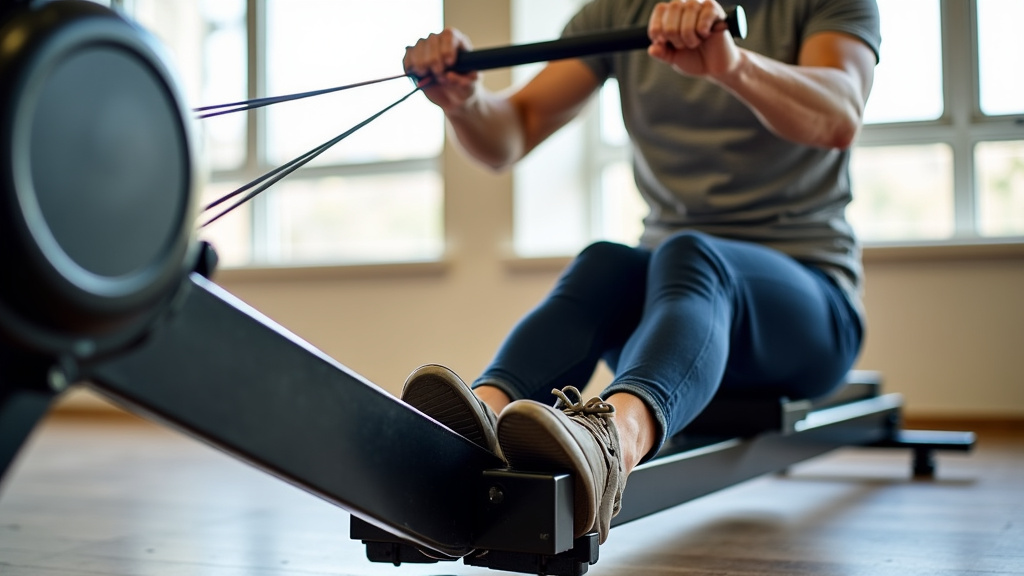
So, is a rowing machine worth it for you? Based on our research, it’s a resounding yes for most people seeking a full-body, low-impact workout. You get fantastic cardio and strength benefits without stressing your joints. It’s a smart investment in your overall health and well-being.
Consider your space, budget, and fitness goals. If they align with what a rower offers, you’ll find it to be an incredibly effective tool. Ready to take the plunge? Start exploring models that fit your home and get ready to experience the many benefits of rowing! Your body (and mind) will thank you.
Frequently Asked Questions
Is rowing good for losing belly fat?
Yes, rowing can be excellent for losing belly fat. It’s a high-calorie-burning exercise that helps create a calorie deficit, which is essential for fat loss. Regular, consistent rowing, combined with a healthy diet, will contribute to overall fat reduction, including around your midsection.
How long should a beginner row on a machine?
For beginners, we recommend starting with shorter sessions. Aim for 15-20 minutes, three to four times a week. Focus on learning proper form first, and gradually increase your duration as your endurance improves. Listening to your body is key to avoiding injury and building a sustainable routine.
What’s the best type of resistance for a home rowing machine?
The “best” resistance type depends on your preferences. Magnetic rowers are quiet and offer smooth resistance, ideal for apartments. Air rowers mimic on-water rowing feel with a louder whoosh. Water rowers provide the most realistic feel and sound. Piston rowers are generally the most budget-friendly and compact.
Can a rowing machine build muscle mass?
While primarily a cardio machine, rowing does build muscular endurance and tone. It works nearly 86% of your muscles effectively. For significant muscle mass growth, you’d typically want to combine rowing with dedicated strength training or higher resistance settings and shorter, powerful intervals on the rower.
Do you need special shoes to use a rowing machine?
No, you don’t need special shoes for a rowing machine. Any comfortable athletic shoe with a relatively flat, stable sole will work well. Avoid overly cushioned or thick-soled running shoes, as they can make it harder to feel connected to the footplates and generate power efficiently.