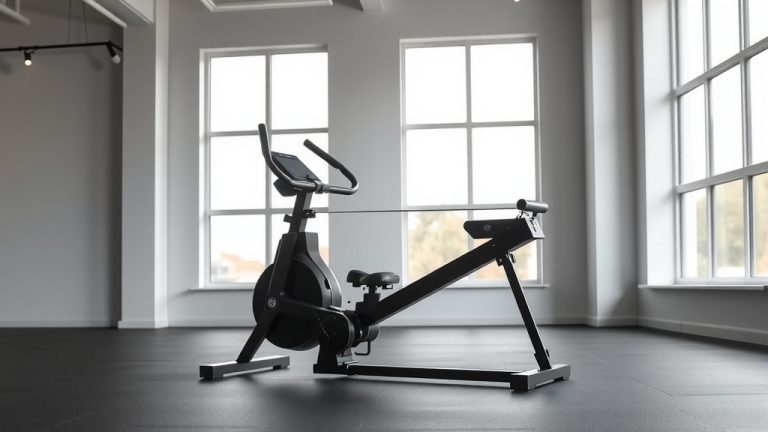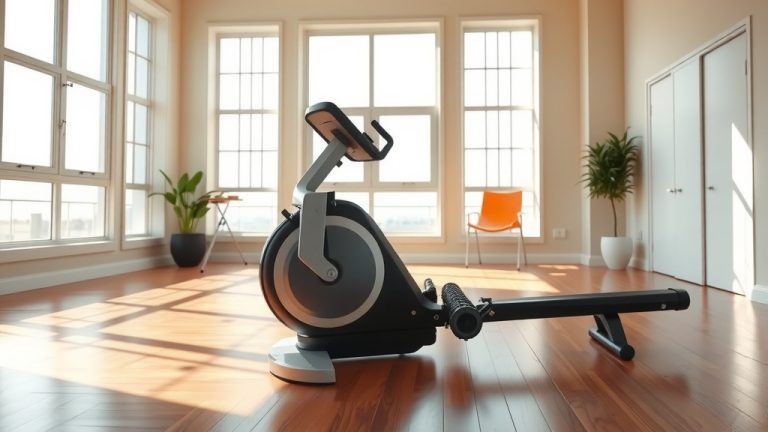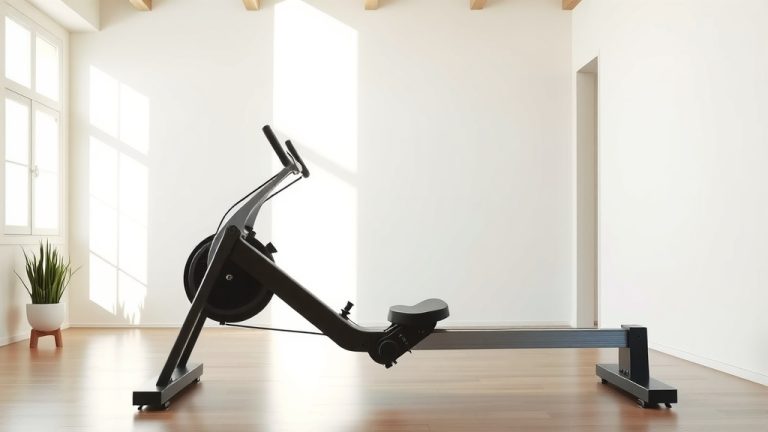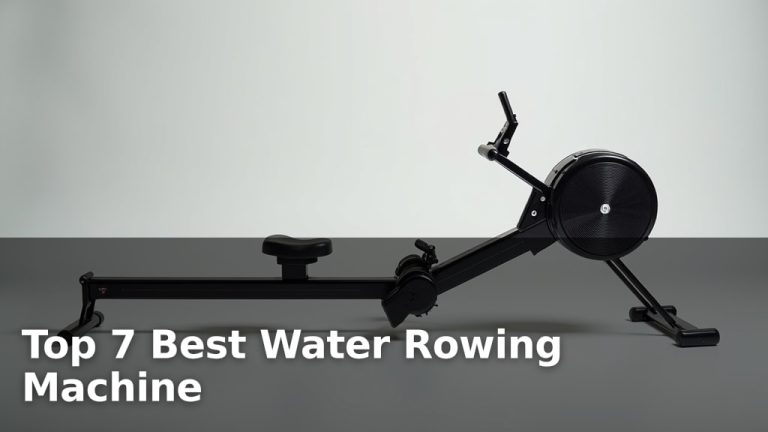
Is A Rowing Machine Good For Osteoporosis?
Yes, a rowing machine can be a beneficial part of an exercise routine for individuals with osteoporosis, especially when combined with other bone-strengthening activities. While rowing is primarily a low-impact exercise, it offers significant resistance training for major muscle groups, which supports bone health indirectly.
Rowing machines provide excellent full-body resistance, helping to build muscle mass that cushions bones and improves overall strength and balance. However, it is not considered a high-impact, weight-bearing exercise for the lower body, which is usually the most effective for directly stimulating new bone growth.
Here’s the straightforward truth about rowing and bone health:
- A rowing machine offers fantastic full-body muscle strengthening, which is vital for supporting bones.
- It provides a low-impact cardiovascular workout, gentle on your joints.
- Rowing alone might not be enough for direct bone density improvement in the lower body.
- Always talk to your doctor before starting any new exercise routine, especially with osteoporosis.
- Combine rowing with specific weight-bearing exercises for the best bone health outcomes.
Is A Rowing Machine Good For Osteoporosis?
A rowing machine can certainly be good for you if you have osteoporosis, but it’s best seen as one piece of a larger fitness puzzle. It helps your muscles grow stronger, which in turn gives your bones more support and protection.
Understanding Osteoporosis and Exercise
Osteoporosis means your bones are weaker and more likely to break. Think of your bones as a bank account for calcium. When you have osteoporosis, your account balance is low. Certain exercises can help you make deposits into that bone bank, or at least slow down withdrawals.
What Kind of Exercise Helps Bone Density?
Experts often recommend two main types of exercise for stronger bones. First, you need weight-bearing exercises. These are activities where your body works against gravity. Second, you need resistance exercises that make your muscles work hard (NIH).
The Benefits of Rowing for Your Body
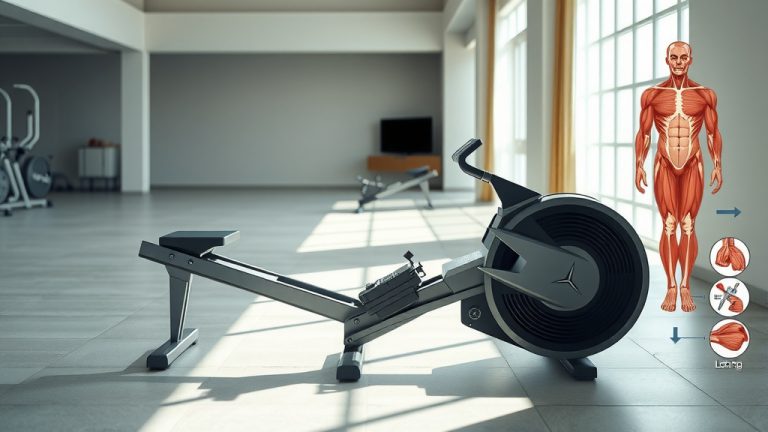
Rowing is a unique exercise. It works 86% of your muscles across your entire body. You use your legs to push, your core to stabilize, and your arms and back to pull. This makes it a fantastic way to build overall muscle strength and stamina.
Low-Impact on Your Joints
One major plus for rowing is its low impact. Your feet stay connected to the machine, and there’s no jarring impact like running or jumping. This makes it a safe option for people with joint pain or those needing to protect their hips and knees.
Building Muscle Strength and Stability
When you row, your muscles get a serious workout. Stronger muscles around your spine, hips, and wrists provide better support for your bones. This improved muscle strength can also boost your balance, reducing the risk of falls (Mayo Clinic).
Cardiovascular Health for Overall Well-being
Beyond bone and muscle, rowing gives you a great cardio workout. It gets your heart pumping and blood flowing. Good heart health is always a win for your overall well-being, helping you stay active and energetic.
Rowing and Direct Bone Loading
While rowing builds muscle, its direct effect on bone density isn’t as straightforward as some other exercises. For the lower body, which often bears the brunt of osteoporosis, rowing is not a high-impact, weight-bearing exercise. It’s more of a pushing motion with resistance.
Where Does Rowing Help Bones Most?
The resistance from rowing can help strengthen the bones in your arms, back, and even your spine, due to the pulling and core engagement. These areas get a good workout. Your legs do work, but the direct bone-loading impact is minimal compared to walking or dancing.
Let’s look at how rowing stacks up against other exercises for bone health:
| Exercise Type | Impact Level | Resistance/Strength | Bone Benefit Focus |
|---|---|---|---|
| Rowing Machine | Low | High (full body) | Upper body, core, muscle support |
| Walking/Jogging | Moderate/High | Low (bodyweight) | Lower body, hips, spine |
| Weight Lifting | Low | High (targeted) | Specific muscle groups, overall bone density |
| Dancing | Moderate | Low (bodyweight) | Lower body, balance, coordination |
The Importance of Proper Rowing Technique
Using a rowing machine incorrectly can lead to back pain or other injuries. With osteoporosis, protecting your spine is very important. Focus on a strong core, pushing with your legs first, and keeping your back straight.
Listen to Your Body
Always start slow and pay attention to how your body feels. If something hurts, stop. Your safety and comfort are your top priorities. Building strength takes time and consistency, not speed or intensity right away.
Combining Rowing with Other Bone-Boosting Exercises
To get the most bone-building benefits, think of a varied routine. Rowing can be your go-to for cardio and full-body resistance. Then, add exercises that directly challenge your bones through impact or higher weight-bearing.
- Walking or hiking: Simple, effective weight-bearing.
- Light jogging or stair climbing: Higher impact, if cleared by your doctor.
- Weight training: Using dumbbells or resistance bands for targeted strength.
- Balance exercises: Tai chi or standing on one leg to prevent falls.
When to Talk to Your Doctor
Before you jump on a rowing machine or any new exercise, a conversation with your doctor is a must. They can give you personalized advice based on your specific bone density, fracture history, and overall health. Some movements might be off-limits, or need modifications.
Creating a Safe Exercise Plan
Your healthcare provider can help you create an exercise plan that is both effective and safe. They might suggest a physical therapist who can teach you the best techniques and modifications for your unique situation. This ensures you are doing good, not harm.
Checklist: Before You Row with Osteoporosis
Thinking about adding rowing to your fitness journey? Here’s a quick checklist:
- Talk to your doctor or a physical therapist first.
- Learn proper rowing technique to protect your spine.
- Start with light resistance and shorter sessions.
- Combine rowing with other weight-bearing exercises.
- Listen carefully to your body and avoid pain.
- Ensure your equipment is stable and safe to use.
Conclusion
A rowing machine can be a fantastic ally in your fight against osteoporosis, offering comprehensive muscle strengthening and a joint-friendly cardio workout. It helps build a strong foundation of muscle support for your bones, which is very important for stability and preventing falls.
However, it’s not a magic bullet. For directly stimulating bone density, especially in your lower body, you’ll want to pair rowing with additional weight-bearing and high-impact activities, always under medical guidance. Think of rowing as a powerful, low-impact tool in your broader bone health strategy.
Is rowing considered weight-bearing exercise?
Rowing is generally considered a low-impact resistance exercise, not a traditional weight-bearing one for the lower body. While your legs push against resistance, your body isn’t fully supporting your weight against gravity in the same way as walking or running. It provides good weight-bearing benefits for the upper body and core, where muscles pull and stabilize.
Can rowing improve bone density directly?
Rowing can contribute to improved bone density, particularly in the upper body, back, and core, due to the resistance and pulling motions. For the lower body, its direct impact on bone density is less pronounced compared to high-impact activities like jumping or brisk walking, which create more loading stress to stimulate bone growth.
What are the risks of rowing with osteoporosis?
The main risk of rowing with osteoporosis, especially if not done with proper form, is strain on the spine. Incorrect posture or excessive rounding of the back during the stroke can put undue pressure on vertebrae, potentially leading to discomfort or injury. Always prioritize correct technique and listen to your body.
How often should someone with osteoporosis row?
The frequency of rowing depends on your individual fitness level and doctor’s recommendations. Many experts suggest aiming for 2-3 sessions per week, combined with other forms of exercise. Start with shorter durations and lower intensity, gradually building up as your strength and stamina improve, always without pain.
What other exercises are good for osteoporosis?
Excellent exercises for osteoporosis include weight-bearing activities like walking, hiking, dancing, and stair climbing. Resistance training using free weights, resistance bands, or weight machines is also very effective for bone and muscle strength. Balance exercises like Tai Chi or standing on one leg are also important to reduce fall risk.