
What Is a Water Rower?
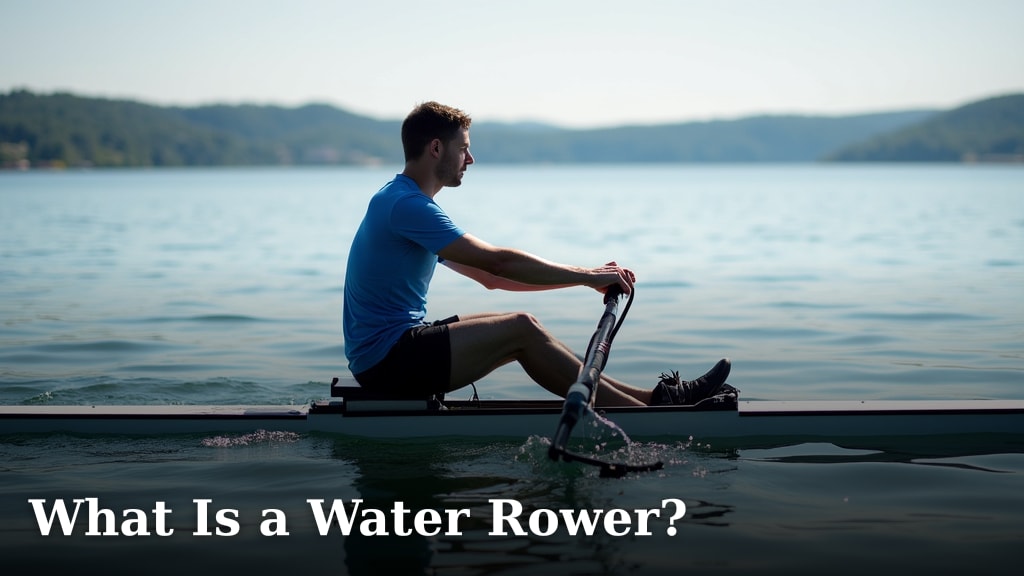
A water rower is a type of exercise machine that uses actual water to create resistance for your workout. It mimics the sensation of rowing on water, offering a smooth and consistent stroke. This design makes it a popular choice for fitness enthusiasts looking for an engaging and effective workout.
You might be wondering if a water rower is right for you. We found that these machines are known for providing a full-body workout with low impact. This means they are gentle on your joints while still challenging your muscles and cardiovascular system.
- Water rowers use real water for resistance.
- They offer a smooth, natural rowing feel.
- These machines provide a low-impact, full-body workout.
- Water rowers are often quieter than other rowing machines.
Let’s dive into all the details and help you understand exactly what makes a water rower unique.
Understanding the Water Rower
A water rower is a unique piece of exercise equipment. It uses actual water to create resistance. This design gives you a workout that feels very natural, much like rowing on the open water. We found this makes it a favorite for many fitness fans.
How Does a Water Rower Work?
At its core, a water rower has a tank filled with water. Inside this tank, there’s a paddle or impeller. When you pull the handle, the paddle spins through the water. This movement creates resistance. The faster and harder you pull, the more resistance you feel.
This dynamic resistance is a key feature. It means the machine adapts to your effort. If you row gently, the resistance is light. If you sprint, it becomes much harder. We found this makes for a very intuitive workout experience (Cleveland Clinic).
The Water Tank and Impeller
The water tank is typically clear, so you can see the water moving. This visual feedback makes the workout more engaging. The impeller is engineered to move the water smoothly and efficiently. This provides that authentic “on-the-water” feel.
Benefits of Choosing a Water Rower
There are several reasons why people gravitate towards water rowers. They offer a unique blend of exercise benefits and user experience. You might find some of these particularly appealing.
Full-Body Workout
A water rower engages about 85% of your muscles. This is more than almost any other cardio machine. You work your legs, core, back, and arms all at once. We found this makes it very efficient for overall fitness (American Council on Exercise).
Low-Impact Exercise
One of the biggest advantages is its low-impact nature. Your joints, like knees and hips, are protected. This makes it ideal for people recovering from injuries. It’s also great for those who want to avoid high-impact activities.
Smooth and Natural Feel
The resistance system provides a smooth, fluid motion. It doesn’t have the jerky feeling some other rowers can have. This makes your workout more comfortable and enjoyable. Many users describe it as almost meditative.
Quiet Operation
Compared to air rowers, water rowers are much quieter. You mostly hear the soothing swoosh of the water. This allows you to listen to music or watch TV without blasting the volume. Your family or neighbors will thank you!
Calorie Burning Potential
Because it’s a full-body, low-impact exercise, you can burn a lot of calories. A vigorous rowing session can torch hundreds of calories in a short time. This makes it excellent for weight management goals.
Comparing Water Rowers to Other Rowers
You might be wondering how water rowers stack up against other types. It’s helpful to see the differences to decide what’s best for you. Let’s look at the main competitors.
Air Rowers
Air rowers use a flywheel with fan blades. They create resistance by moving air. The harder you pull, the more air resistance you feel. They are often found in gyms because they are durable. However, they can be quite noisy. The resistance feel is also different, often described as more aggressive.
Magnetic Rowers
Magnetic rowers use magnets to create resistance against a flywheel. You can typically adjust the resistance level manually. They are very quiet, sometimes quieter than water rowers. However, the resistance doesn’t always feel as natural or progressive as water resistance. We found that the workout feel can be less engaging for some users.
Hydraulic Rowers
These are usually the most compact and affordable type. They use hydraulic cylinders to create resistance. You often adjust the resistance manually. The motion can be less fluid and may not engage your legs as much. We found they are generally not considered ideal for a full, natural rowing experience.
Here’s a quick comparison of the main types:
| Feature | Water Rower | Air Rower | Magnetic Rower |
|---|---|---|---|
| Resistance System | Water tank with impeller | Air flywheel with fan | Magnets near flywheel |
| Feel of Stroke | Smooth, natural, progressive | Dynamic, aggressive, responsive | Consistent, often adjustable manually |
| Noise Level | Pleasant “swoosh” of water | Loud fan noise | Very quiet |
| Space & Storage | Can be large, often stores upright | Often large, usually stores upright | Can be compact, often folds |
| Price Range | Mid to high range | Mid to high range | Entry to mid range |
| Maintenance | Requires water treatment tablets | Occasional flywheel cleaning | Very low maintenance |
What to Look for in a Water Rower
If you’re considering buying a water rower, there are a few things to keep in mind. You want to make sure you get the right machine for your needs. Think about your home, your goals, and your budget.
Build Quality and Materials
A good water rower will have a sturdy construction. Look for frames made from wood, steel, or aluminum. These materials ensure durability and stability during your workouts. You want something that feels solid and won’t wobble.
Comfort and Ergonomics
Check for a comfortable seat and footrests. The seat should glide smoothly along the rail. Footstraps should be easy to adjust and secure. The handle should offer a good grip. All these small details add up to a better workout experience.
Monitor Features
Most water rowers come with a display monitor. This screen tracks important metrics. Look for one that shows distance, time, strokes per minute, and calories burned. Some advanced models might offer heart rate monitoring or pre-programmed workouts. We found that a clear, easy-to-read screen is very helpful.
Size and Storage
Water rowers can be quite large. Measure your space before you buy. Many models can be stored upright to save floor space. Check the dimensions and see if it fits comfortably in your home when not in use. You don’t want it to become a tripping hazard!
Weight Capacity
Always check the maximum user weight capacity. This ensures the rower can safely support you. It also gives you an idea of the machine’s overall robustness.
Is a Water Rower Right for You? A Quick Checklist
Still on the fence? Here’s a quick checklist to help you decide if a water rower is a good fit:
- Do you prefer a smooth, realistic rowing feel that mimics being on water?
- Are you looking for a low-impact workout that’s gentle on your joints?
- Is a full-body exercise that works many muscle groups important to you?
- Do you value a quieter exercise experience with the soothing sound of water?
- Are you comfortable with the mid to high-range price point often associated with quality water rowers?
- Do you have enough space for a rower, and are you okay with its typical upright storage?
If you answered “yes” to most of these questions, a water rower could be an excellent addition to your home gym!
Conclusion
You now know that a water rower offers a compelling blend of a realistic, full-body workout with a gentle, low-impact design. Its unique resistance system provides a smooth, engaging experience, all while being quieter than many alternatives. We found it’s especially beneficial if you prioritize joint health, comprehensive muscle engagement, and the soothing sound of water during your exercise routine.
If the idea of a natural, effective, and calming workout appeals to you, a water rower might be your ideal fitness partner. Consider your space and budget, and then take the next step to explore specific models and start your journey toward a healthier you!
Frequently Asked Questions
How often should you change the water in a water rower?
You typically don’t need to change the water itself very often. Most manufacturers recommend adding a purification tablet every 3-6 months. This helps prevent algae growth and keeps your water clear and clean.
Can you store a water rower upright?
Yes, many water rower models are designed to be stored upright. This helps save floor space in your home. Always check the specific model’s specifications to ensure it can be safely stored in an upright position.
Do water rowers require electricity?
The resistance system of a water rower itself does not require electricity. However, the monitor that tracks your workout metrics usually does. This is often powered by batteries, though some advanced models might plug into an outlet.
Is a water rower good for weight loss?
Absolutely! A water rower provides a full-body, high-calorie-burning workout that is excellent for weight loss. Because it’s low-impact, you can maintain longer and more consistent workout sessions, which contributes effectively to shedding pounds.
What is the typical lifespan of a water rower?
With proper care and maintenance, a quality water rower can last for many years. We found that models with durable frames (like wood or steel) and well-maintained components often provide 10-15 years of reliable use, making it a great long-term investment.
