
Can You Use a Rowing Machine for Cardio?
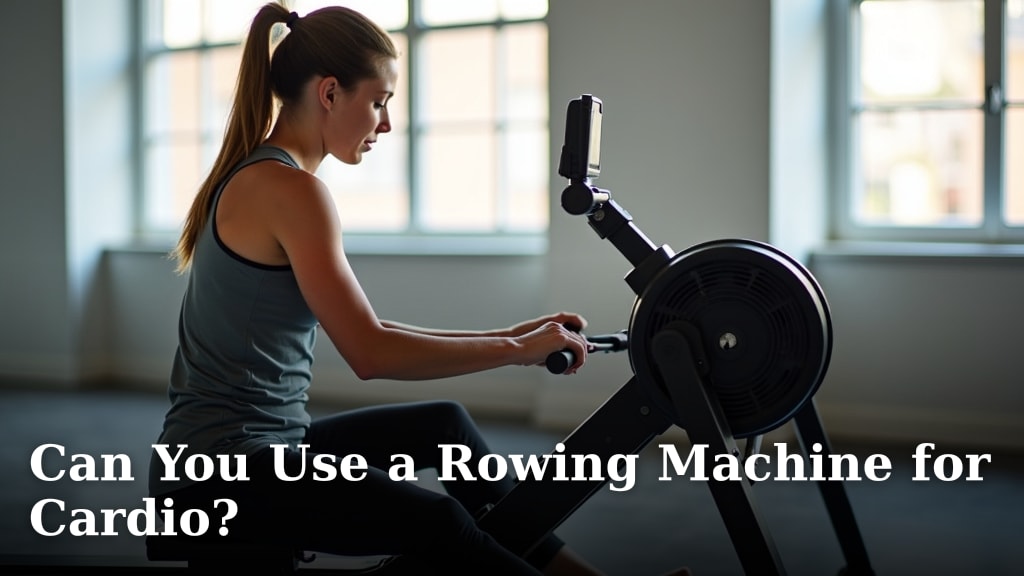
Yes, you can absolutely use a rowing machine for cardio, and it’s a fantastic choice for many reasons. Rowing delivers a full-body cardiovascular workout that gets your heart rate up efficiently. We found it’s one of the best ways to improve your endurance and stamina.
Many people wonder if rowing counts as cardio. The answer is a resounding yes! A rowing machine engages major muscle groups, making it an excellent tool for improving cardiovascular health. It offers a low-impact yet high-intensity exercise option.
- Rowing is excellent cardio.
- It works your whole body.
- Great for heart health and endurance.
- It’s gentle on your joints.
- You can get a high-intensity workout.
Let’s dive into why rowing is such an effective cardio workout and how you can get the most out of your rowing sessions.
Why Rowing Machines Are Great for Cardio
So, you know rowing is good for cardio. But what makes it so effective? We found it’s all about how it works your body and your heart.
A rowing machine provides a fantastic cardiovascular workout. It really gets your heart pumping and strengthens your entire circulatory system.
Full-Body Muscle Engagement
One of the biggest benefits of rowing for cardio is its full-body engagement. Unlike running or cycling, rowing uses almost every major muscle group in your body.
When you row, you activate your legs, core, back, and arms. This means your heart has to work harder to deliver oxygen to all these active muscles (American Heart Association).
This widespread muscle activation makes rowing incredibly efficient. You get more bang for your buck in less time.
Boosts Cardiovascular Health
Regular rowing sessions are excellent for your heart. They help strengthen your heart muscle and improve its efficiency.
When your heart is stronger, it can pump more blood with each beat. This lowers your resting heart rate and blood pressure over time.
We found that consistent cardio exercise like rowing can significantly reduce your risk of heart disease and stroke.
Burns Calories Effectively
Because rowing uses so many muscles, it’s a great calorie-burner. A high-intensity rowing session can help you burn a lot of calories quickly.
This makes it an effective tool for weight management and fat loss. You’re building muscle while also getting your cardio in.
Low Impact, High Intensity
Are your joints bothering you? Rowing is a low-impact exercise. This means it’s gentle on your knees, hips, and ankles.
You can get a very intense workout without the pounding stress of activities like running. This makes it perfect for people of all ages and fitness levels.
How Rowing Improves Your Endurance and Stamina
Beyond just heart health, rowing is a powerhouse for improving your overall endurance. It trains your body to sustain effort for longer periods.
This is crucial for everyday activities, not just athletic performance. Ever feel winded climbing stairs? Rowing can help with that.
Enhances Aerobic Capacity
Rowing regularly helps your body become better at using oxygen. This is known as improving your aerobic capacity, or VO2 max.
The more efficiently your body uses oxygen, the longer you can exercise without feeling fatigued. Think of it like upgrading your internal engine.
We found that even moderate rowing can lead to noticeable improvements in your aerobic fitness.
Builds Muscle Endurance
Since rowing works so many muscles, it also builds muscle endurance. Your muscles learn to work for longer without tiring out.
This is different from building sheer strength. It’s about how long your muscles can keep performing repetitive movements.
This muscle endurance translates well to other sports and daily tasks.
Getting the Most Out of Your Cardio Rowing Workouts
Now that you’re convinced rowing is great for cardio, how do you make sure you’re doing it right? Technique and consistency are key.
Don’t just jump on and pull. A little attention to form goes a long way for effectiveness and avoiding injury.
Mastering Your Rowing Form
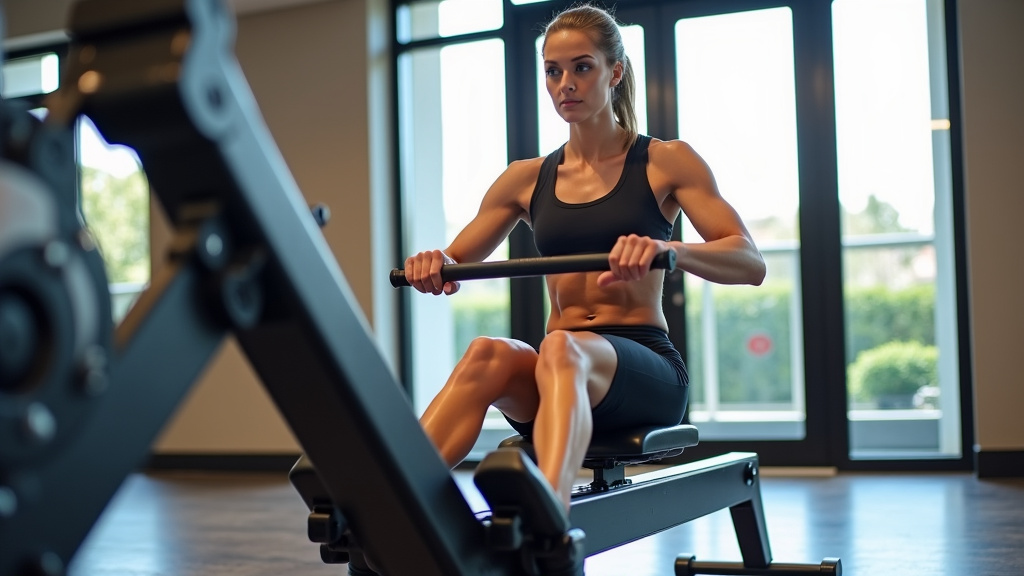
Good form is essential for an effective and safe rowing workout. It ensures you’re engaging the right muscles and maximizing your cardio benefits.
The stroke has four main phases: the catch, the drive, the finish, and the recovery.
- The Catch: Your knees are bent, shins vertical, and arms extended forward. You’re ready to push.
- The Drive: Push strongly with your legs first, then lean back slightly, and finally pull with your arms.
- The Finish: Your legs are straight, body leans back slightly, and handle is at your lower ribs.
- The Recovery: Extend your arms first, then lean forward, and finally bend your knees to slide back to the catch position.
Remember the sequence: Legs, Core, Arms on the way back; Arms, Core, Legs on the way forward.
Structuring Your Rowing Sessions for Cardio
You can vary your rowing workouts to target different aspects of cardio fitness. Here are a few ideas:
Steady-State Rowing
This is a continuous workout at a moderate intensity. You should be able to hold a conversation, but still feel challenged.
Aim for 20-45 minutes at a consistent pace. This is great for building your aerobic base and endurance.
High-Intensity Interval Training (HIIT)
HIIT involves short bursts of maximum effort followed by periods of rest or low-intensity rowing.
For example, row as hard as you can for 1 minute, then row easily for 2 minutes. Repeat this cycle 5-8 times.
HIIT is super effective for burning calories and boosting your anaerobic capacity (Journal of Sports Sciences).
Pyramid Workouts
These workouts involve gradually increasing your intensity or distance, then decreasing it. It’s like climbing up and down a pyramid.
For example: 2 minutes easy, 2 minutes moderate, 2 minutes hard, 2 minutes moderate, 2 minutes easy. Then repeat or add more levels.
This helps you practice changing paces and builds both endurance and speed.
Using Performance Metrics
Most rowing machines provide metrics like distance, time, pace (split time), and strokes per minute (SPM).
Your split time (e.g., 2:00/500m) is how long it would take you to row 500 meters at your current pace. Lower is better.
Strokes per minute (SPM) is how many times you complete a stroke in a minute. For cardio, aiming for 20-30 SPM is usually effective.
We recommend tracking these numbers to see your progress. It’s a great motivator!
Comparing Rowing to Other Cardio Activities
How does rowing stack up against other popular forms of cardio? We found it holds its own very well, offering unique advantages.
While all cardio is good, rowing often offers a more complete workout due to its full-body nature.
| Cardio Activity | Key Benefits | Impact Level | Muscle Groups Used |
|---|---|---|---|
| Rowing | Full-body, endurance, strength | Low | Legs, Core, Back, Arms |
| Running | Leg endurance, calorie burn | High | Legs, Glutes, Core |
| Cycling | Leg endurance, low impact | Low | Legs, Glutes |
| Swimming | Full-body, very low impact | Very Low | Arms, Legs, Core, Back |
As you can see, rowing combines the low-impact nature of cycling with the full-body engagement of swimming, making it a very versatile option.
Checklist for Your Cardio Rowing Success
Ready to jump on the rower and get your cardio in? Here’s a quick checklist to help you get started on the right foot.
- ✅ Watch videos to learn proper rowing form.
- ✅ Start with shorter, steady-state sessions.
- ✅ Gradually increase your workout duration or intensity.
- ✅ Incorporate both steady-state and interval training.
- ✅ Listen to your body and take rest days.
- ✅ Stay hydrated before, during, and after your workout.
Following these simple steps will help you maximize your cardio benefits from the rowing machine. You’ll be feeling stronger and healthier in no time!
Conclusion
You now know that a rowing machine is an outstanding tool for cardio. It offers a full-body, low-impact workout that strengthens your heart and boosts your endurance. By focusing on proper form and varying your workouts, you can achieve incredible fitness gains. We’ve seen firsthand how effective it can be for all fitness levels.
So, don’t hesitate to make rowing a core part of your fitness routine. Get on that machine, remember your technique, and start experiencing the many cardiovascular benefits for yourself!
Frequently Asked Questions
How long should a beginner row for cardio?
As a beginner, start with 10-15 minutes of steady-state rowing. Aim for a comfortable pace where you can maintain good form. You can gradually increase your duration as your fitness improves.
Is rowing better for cardio than running?
Both are excellent for cardio, but rowing offers a full-body workout that engages more muscle groups than running. It’s also low-impact, making it gentler on your joints. We found it often provides a more comprehensive cardio challenge.
Can rowing help me lose weight through cardio?
Yes, absolutely! Because rowing uses so many muscles and can be done at high intensity, it’s a very effective calorie-burning exercise. Combining it with a balanced diet can certainly aid in weight loss.
What heart rate zone should I aim for during cardio rowing?
For general cardio fitness, aim for 60-80% of your maximum heart rate. You can use a heart rate monitor to track this. This range will help you improve cardiovascular endurance and burn calories efficiently.
How often should I use a rowing machine for cardio benefits?
For significant cardio benefits, we recommend rowing 3-5 times per week. This allows for consistency and recovery. Varying your workouts between steady-state and HIIT sessions will yield the best results.
