
Can Rowing Machines Help with Posture?
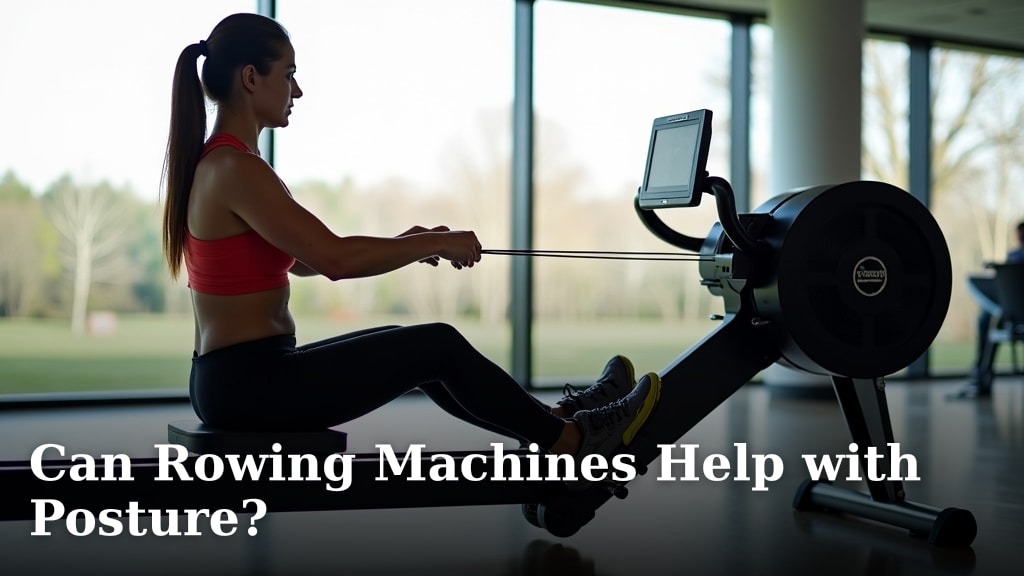
Yes, rowing machines can significantly help with posture by strengthening key muscles. They work your back, core, and shoulders, which are all vital for maintaining a healthy, upright posture.
Many experts say that rowing is a fantastic full-body workout. It helps to counteract the slouching that often comes from sitting too much. You can improve your alignment and reduce aches with consistent practice.
- Rowing strengthens core, back, and shoulder muscles.
- Good posture comes from strong supporting muscles.
- Proper rowing form is key to seeing posture benefits.
- Avoid hunching over while you row.
- Start slow and focus on technique.
So, you want to stand taller and feel better? Let’s dive into how rowing can be your secret weapon for better posture.
How Rowing Machines Improve Your Posture
Rowing is a full-body exercise. It targets many muscle groups. These muscles are key for good posture. Think about it: a strong back and core help you stand tall. Rowing builds that strength.
When you sit all day, your posture suffers. Your shoulders might slump forward. Your back can get rounded. Rowing helps to reverse these effects. It strengthens the muscles that pull your shoulders back. It also builds a strong core to support your spine.
The Muscle Groups That Benefit Most
Let’s look at the specific muscles rowing works. Each one plays a role in your posture. Understanding this helps you focus your workout.
Your Back Muscles (Rhomboids, Traps, Lats)
These muscles are essential. They help pull your shoulder blades together. Strong rhomboids and trapezius muscles prevent rounded shoulders. Your lats (latissimus dorsi) also help keep your spine upright (American Council on Exercise).
Imagine your posture like a puppet. Your back muscles are the strings that pull everything into place. Weak strings lead to a slumped puppet. Rowing strengthens these “strings.”
Your Core Muscles (Abs, Obliques, Lower Back)
Your core is your body’s foundation. A strong core supports your spine. It keeps your torso stable. Rowing engages your abdominal muscles and obliques. It also works your lower back muscles.
A weak core means your spine has less support. This can lead to slouching. Rowing helps you build a solid, supportive core. This helps you maintain an upright posture with less effort.
Your Shoulder and Arm Muscles (Deltoids, Biceps, Triceps)
Your shoulders and arms also get a workout. While not directly posture muscles, they help in the rowing motion. Strong shoulders can help keep your upper body balanced. They support the work of your back muscles.
Good shoulder strength helps stabilize your upper body. This indirectly helps maintain better alignment. It’s all connected, like a well-oiled machine.
Proper Rowing Form for Maximum Posture Benefits
Good form is crucial. You won’t get the posture benefits without it. Poor form can even make things worse. So, let’s break down the rowing stroke.
Think of the rowing stroke in four parts: the catch, the drive, the finish, and the recovery. Each part needs your attention. We want to maximize the muscle engagement. This means better posture for you.
The Four Phases of a Rowing Stroke
Learning these phases helps you row correctly. Focus on one at a time when you start. Soon, it will feel natural.
The Catch
This is where you start. Your knees are bent. Your shins are vertical. Your arms are extended forward. Your back is straight and leaned slightly forward. Imagine you’re about to push off a wall.
Don’t round your back here. Keep your core tight. Your shoulders should be relaxed, not hunched. This sets you up for a powerful and correct drive.
The Drive
This is the power phase. You push off with your legs first. Then you lean back slightly. Finally, you pull the handle towards your chest. It’s a smooth, connected movement: legs, core, arms.
Many people make the mistake of pulling with their arms too soon. Remember, your legs are your power. Use them. Your core and back support the movement.
The Finish
You’re at the end of the stroke. Your legs are straight. Your body is leaned back slightly (about 11 o’clock on a clock face). The handle is near your lower ribs. Your shoulders are relaxed and pulled back.
This is where you really feel your back muscles working. They should be engaged. Your core is still tight. You should feel strong and upright.
The Recovery
This is the reverse of the drive. Your arms extend first. Then you lean forward from your hips. Finally, your knees bend as you slide back to the catch position. It’s a controlled movement.
Don’t rush the recovery. Let your muscles relax briefly. Then get ready for the next powerful stroke. Smooth and controlled is the goal.
Checklist for Good Rowing Posture
Here’s a quick checklist to help you maintain good form while rowing. Use this as a guide during your workout.
-
Maintain a straight back: Avoid rounding or arching. Your spine should be neutral.
-
Engage your core: Keep your abs tight throughout the stroke. This protects your lower back.
-
Relax your shoulders: Don’t let them hunch up towards your ears. Pull them back and down.
-
Lead with your legs: Power comes from your legs first, not your arms or back.
-
Keep head and neck neutral: Look straight ahead. Don’t strain your neck up or down.
Common Posture Mistakes to Avoid While Rowing
Even with good intentions, mistakes happen. Knowing what to watch out for can save you pain and improve your results. We want you to avoid common pitfalls.
Rounding Your Back
This is probably the most common mistake. Rounding your back, especially at the catch, puts strain on your spine. It defeats the purpose of strengthening your back muscles for better posture.
Instead, keep your back flat and your chest open. Engage your core to help maintain this position. Imagine a string pulling the top of your head towards the ceiling.
Over-Reaching at the Catch
Trying to reach too far forward can cause your back to round. It also reduces your power. You’re losing efficiency and risking injury.
Only extend as far as your flexibility allows while keeping a straight back. Your shins should be vertical, but don’t force it. Control is better than excessive reach.
Pulling Too Hard with Arms
Remember the sequence: legs, core, arms. If you pull mainly with your arms, you’re missing out. Your legs provide the most power in rowing. Your back and core support that power.
You’ll tire quickly if you only use your arms. You also won’t build the posture-supporting muscles. Focus on that leg drive. It’s a stronger, more efficient movement.
Leaning Back Too Far
Some people lean back too much at the finish. This puts unnecessary stress on your lower back. It also takes away from your control and balance.
A slight lean back is fine, about 11 o’clock. But don’t recline like you’re on a beach chair. Keep your core engaged and your movement controlled.
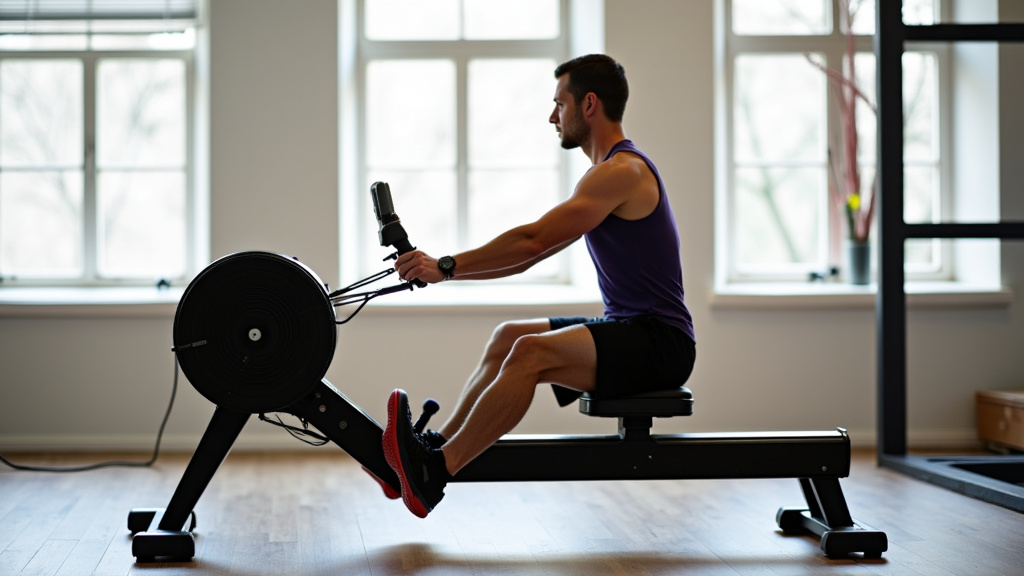
Integrating Rowing into Your Routine for Lasting Posture Improvement
Consistency is key. A few rows here and there won’t transform your posture. Regular practice, combined with awareness, will. How often should you row?
Many experts suggest aiming for 20-30 minutes, three to five times a week (Mayo Clinic). Start slow if you’re new. Even 10-15 minutes a few times a week is a great start. Listen to your body.
Frequency and Duration
Your body needs time to adapt. Don’t overdo it at first. You might feel a little sore. That’s normal. Gradually increase your time and intensity.
You’re building muscle memory. The more often you row with good form, the more your body remembers how to hold itself. This translates into better posture even when you’re not on the machine.
Combining with Other Exercises
Rowing is fantastic, but a well-rounded fitness plan is even better. Consider adding other exercises. This helps balance your muscle development. It can prevent imbalances.
Think about activities that stretch your chest. Or exercises that strengthen your glutes and hamstrings. Yoga or Pilates can also complement your rowing. They often focus on core strength and flexibility. Here’s a quick look at how rowing fits into a broader approach:
| Exercise Type | Benefit for Posture | Example |
|---|---|---|
| Rowing | Strengthens back, core, shoulders; counteracts slouching | 20-30 minute session |
| Stretching | Improves flexibility, releases tension | Chest stretches, cat-cow stretch |
| Strength Training | Builds supporting muscles, improves stability | Glute bridges, planks |
| Mind-Body | Enhances body awareness, core stability | Yoga, Pilates |
This balanced approach will give you the best results. It’s about more than just one exercise. It’s about creating a strong, flexible body.
Maintaining Posture Awareness Off the Machine
The real test is how you carry yourself when you’re not rowing. Pay attention to your posture throughout the day. Are you sitting slumped at your desk? Are you hunching over your phone?
Take short breaks to check your posture. Stand up tall. Pull your shoulders back. Engage your core. These small actions reinforce the work you do on the rowing machine. It makes your new, better posture a habit.
Conclusion
You’ve seen how rowing machines are powerful tools for improving your posture. By consistently strengthening your core, back, and shoulders, you can counteract daily slouching. Remember, proper form is essential to get these benefits and prevent strain. Focus on the four phases of the stroke and avoid common mistakes like rounding your back. Integrating rowing into your routine, combined with awareness off the machine, will lead to lasting posture improvement. Start today and stand taller with confidence!
Frequently Asked Questions
How quickly can I expect to see posture improvements from rowing?
You might start feeling subtle changes in your muscle strength and body awareness within a few weeks of consistent rowing. Significant visible posture improvement usually takes a few months. Remember, consistency and proper form are key.
Can rowing worsen my posture if I don’t use proper form?
Yes, rowing with poor form can absolutely worsen your posture or even lead to injury. For example, consistently rounding your back during the stroke can reinforce bad habits. Always prioritize correct technique over speed or intensity.
Is a rowing machine better for posture than other cardio exercises like running or cycling?
Rowing directly engages and strengthens the key muscle groups (back, core, shoulders) responsible for upright posture more comprehensively than running or cycling. While all exercise is good, rowing is specifically excellent for combating the effects of prolonged sitting.
Do I need an expensive rowing machine to improve my posture?
No, you don’t need the most expensive model. Even entry-level or mid-range rowing machines can provide an effective workout. The most important factor is consistent use with correct technique, not the price tag of the equipment.
Besides rowing, what else can I do daily to support better posture?
Beyond rowing, practice regular stretching, especially for your chest and hip flexors. Be mindful of your sitting and standing habits throughout the day. Set reminders to stand tall, engage your core, and take breaks from prolonged positions.
