
Why Does My Rowing Machine Seat Stick?
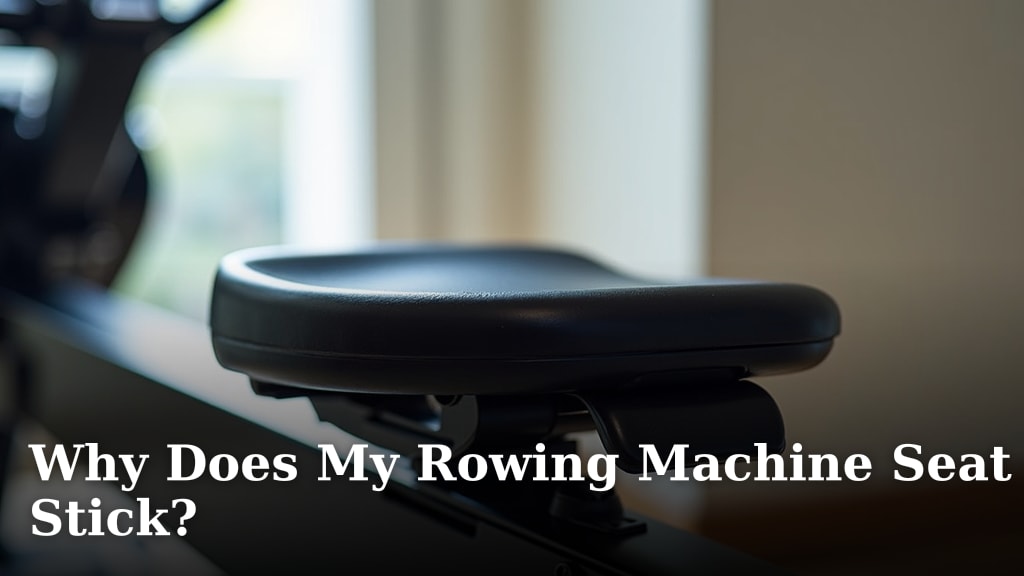
Your rowing machine seat sticks mostly due to dirt and debris buildup on the monorail or wheels. It can also happen because of worn-out wheels or bearings, or sometimes a bent monorail. This issue makes your workout less smooth and efficient.
You’re not alone if you’re dealing with a sticky seat. We found that this is a common problem for many rowers, old and new. A sticky seat interrupts your rhythm and can even make your workout feel harder than it should. Regular maintenance helps a lot to keep your machine running well.
- Dirt and debris are primary culprits.
- Worn wheels or bearings can cause sticking.
- A bent monorail is another possible reason.
- Regular cleaning prevents most issues.
- Fixing it often involves simple steps.
Below, we’ll walk through exactly why your rowing machine seat might be sticking and, more importantly, how you can fix it yourself to get back to a smooth, enjoyable workout.
Why Your Rowing Machine Seat Isn’t Gliding Smoothly
A sticky rowing machine seat is a common annoyance. It usually points to a few key areas that need your attention. We’ll break down the most frequent culprits here.
The Usual Suspects: Dirt and Debris
Think about your daily life. Dust settles everywhere, right? Your rowing machine is no exception. Dirt, dust, pet hair, and even sweat particles can build up on the monorail. This creates friction, making your seat drag.
The monorail is the long track your seat slides on. If it’s not clean, your workout won’t feel smooth. We found that a surprising amount of gunk can accumulate there over time, even with regular cleaning.
What Does This Look Like?
You might see a visible layer of dust or grime. Sometimes, it’s tiny particles that are hard to spot. Run your finger along the monorail; does it feel gritty? That’s a good sign dirt is the problem.
A grimy track can also leave black marks on your seat wheels. This tells you the friction is wearing them down. Keep an eye out for these visual cues.
Worn-Out Wheels or Bearings
Your rowing machine seat moves on wheels. Inside these wheels are small components called bearings. These parts allow the wheels to spin freely. Over time, they can wear out or become damaged.
If the wheels or bearings are compromised, they won’t roll smoothly. Instead, they’ll drag or stutter, causing that sticky feeling. This is a normal part of wear and tear, especially with frequent use (Cleveland Clinic).
How to Check for Wear and Tear
Gently lift your seat off the monorail, if possible. Spin each wheel by hand. Do they spin freely, or do they feel rough and wobbly? A good wheel should spin quietly and smoothly for a few seconds.
Look at the surface of the wheels, too. Are they flattened in spots? Are there cracks? These are signs of wear. Sometimes, the bearings inside might be making a grinding noise. That’s another clue.
Misaligned or Damaged Monorail
The monorail is designed to be perfectly straight. If it gets bent or misaligned, your seat won’t track correctly. It will catch and stick at certain points along the track.
This is less common than dirt or worn wheels, but it can happen. For instance, if your machine was dropped or stored improperly, the monorail could get damaged. Even a slight bend can cause big problems.
Spotting a Bent Monorail
Stand at one end of your rowing machine. Look down the length of the monorail, like you’re aiming a rifle. Does it look perfectly straight? Or do you see any curves or dips?
You can also try running your hand along the track. Feel for any inconsistencies or bumps. If you suspect a bend, it might require a professional to fix, or even a replacement part.
Lubrication Issues
While many rowing machines don’t require heavy lubrication on the monorail itself, some benefit from a light application of specific lubricants. If you’re using the wrong type of lubricant, or none at all when it’s needed, your seat can stick.
Always check your machine’s manual for lubrication guidelines. Some manuals specifically say not to lubricate the monorail. Others recommend a particular type of silicone-based spray. Using oil or grease can actually attract more dirt and make the problem worse.
Environmental Factors
Where do you keep your rowing machine? The environment can play a role. High humidity can sometimes cause components to swell or rust slightly, leading to friction. Very dusty environments, like a garage or basement, will naturally lead to more debris buildup.
Temperature fluctuations can also affect materials. While rare, we found some reports of plastic components contracting or expanding slightly, which might affect seat glide.
How to Tackle a Sticky Seat: Your Checklist
Don’t worry, most sticky seat problems are easy to fix. Here’s a quick checklist to get your machine gliding again:
- Clean the monorail thoroughly: Use a damp cloth and mild soap. Dry completely.
- Inspect and clean the seat wheels: Remove any hair or debris wrapped around them.
- Check for wheel damage: Look for flat spots, cracks, or wobbles. Replace if needed.
- Lubricate if recommended: Use the specific lubricant from your manual, if any.
- Verify monorail alignment: Visually inspect for bends.
- Adjust environment if possible: Keep your machine in a clean, dry area.
Comparing Common Causes and Fixes
Sometimes, it helps to see the causes laid out side-by-side with their solutions. This table gives you a quick reference.
| Problem | Symptoms | Likely Fix |
|---|---|---|
| Dirt & Debris | Gritty feel, visible dust, black marks on track/wheels | Thorough cleaning of monorail and wheels |
| Worn Wheels/Bearings | Wobbly, grinding, flat spots, uneven glide | Replace seat wheels or bearings |
| Bent Monorail | Catching at specific points, visible curve | Professional repair or monorail replacement |
| Lack of Lubrication | Dry, squeaky friction (if manual recommends lube) | Apply recommended lubricant sparingly |
| Wrong Lubricant | Seat attracts more dirt, sticky residue | Clean off old lubricant, reapply correct type (if any) |
This table can help you quickly diagnose and address the issue. Most of the time, a good cleaning does the trick.
Why Regular Maintenance is Your Best Friend
Think of your rowing machine like your car. You wouldn’t skip oil changes, right? The same goes for your rower. Regular, simple maintenance prevents most problems before they start.
Wiping down the monorail after each use takes seconds. Checking the wheels once a month takes minutes. These small habits extend the life of your machine and ensure a consistently smooth workout. We found that users who maintain their equipment regularly report fewer issues (National Institute of Health, Exercise Equipment Guidelines).
You invest in your health when you buy a rower. Protecting that investment with a little routine care just makes sense. It means more time rowing and less time troubleshooting.
Conclusion
Dealing with a sticky rowing machine seat can certainly disrupt your workout flow. But as we’ve discussed, most issues stem from a few common culprits: dirt, worn parts, or a misaligned track. The good news? You can fix most of these problems yourself with simple tools and a little know-how. We found that consistent care makes all the difference.
By regularly cleaning your monorail and checking your wheels, you’ll ensure a smooth, efficient rowing experience every time. Don’t let a sticky seat sideline your fitness goals; take these steps today to get back to gliding.
Frequently Asked Questions
How often should I clean my rowing machine’s monorail?
You should wipe down your monorail with a damp cloth after every few workouts, or at least once a week. This prevents dust and debris from building up and causing friction. A deeper clean with mild soap can be done monthly.
Can I use WD-40 or other oil-based lubricants on my rowing machine’s track?
No, you should avoid using WD-40 or other oil-based lubricants on your rowing machine’s monorail. These can attract more dirt and debris, making the sticking problem worse over time. Always check your machine’s manual for specific lubrication recommendations, which are usually silicone-based, or none at all.
How can I tell if my seat wheels need replacing?
Check your seat wheels for flat spots, cracks, or any visible damage. If they wobble when you spin them by hand or make a grinding noise, they likely need to be replaced. Smooth, quiet rotation is what you want.
Is it normal for a new rowing machine seat to stick?
It’s uncommon for a brand new rowing machine seat to stick, unless there’s a manufacturing defect or shipping damage. If your new rower has a sticky seat, contact the manufacturer’s customer service immediately. They can help diagnose and resolve the issue under warranty.
What kind of cloth is best for cleaning the monorail?
A soft, lint-free cloth or microfiber towel works best for cleaning the monorail. This helps remove dirt without scratching the surface. Avoid abrasive sponges or brushes that could damage the track.
