Why Is My Rowing Machine So Loud?
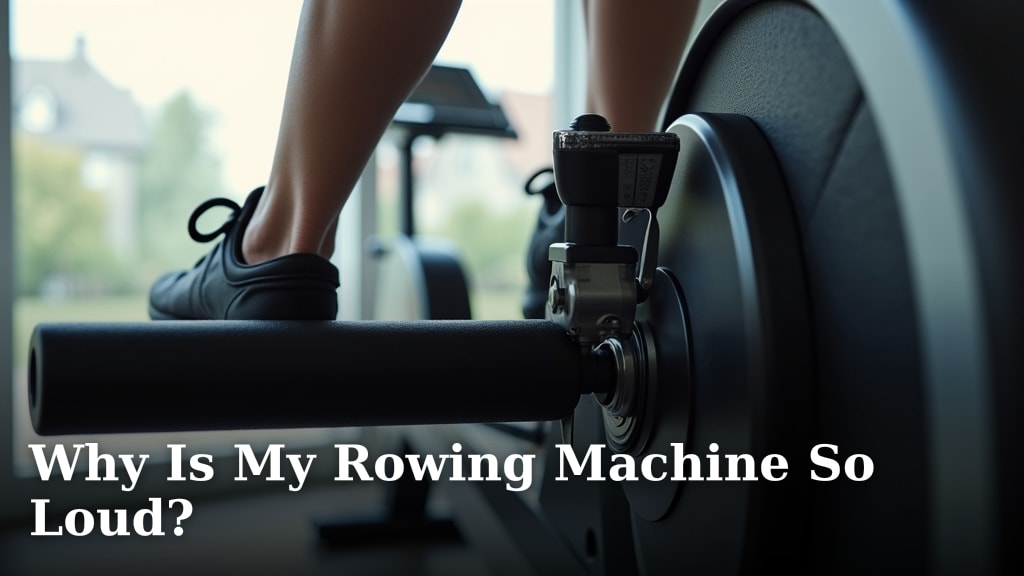
Your rowing machine is so loud because of normal wear and tear, a lack of proper maintenance, or specific issues with its type of resistance mechanism. Parts can loosen, bearings can wear out, or dust can build up, all making more noise.
You might notice new sounds over time, making your workout less enjoyable. Are you hearing squeaks, grinding, or clanking? These noises usually point to a specific problem that you can often fix. Keeping your machine quiet helps you focus on your exercise and not the distractions.
- Fan or chain drive noise is normal.
- Loose parts make rattling sounds.
- Lack of lubrication causes squeaks.
- Worn bearings create grinding.
Let’s look into the common reasons why your rowing machine might be making too much noise. We’ll also cover simple steps you can take to quiet things down and get back to a peaceful workout.
Understanding Why Your Rower Might Be Noisier Than Usual
Is your rowing machine suddenly sounding like a marching band? Don’t worry, you’re not alone. We’ve found that most loud rowing machine issues stem from a few common areas. Understanding these can help you pinpoint the problem quickly.
The Usual Suspects: Resistance Type and Normal Operation
First, let’s talk about the type of resistance your rower uses. Not all rowing machines are built to be silent. Some are inherently louder than others, and that’s perfectly normal.
Air Resistance Rowers: The Fan Factor
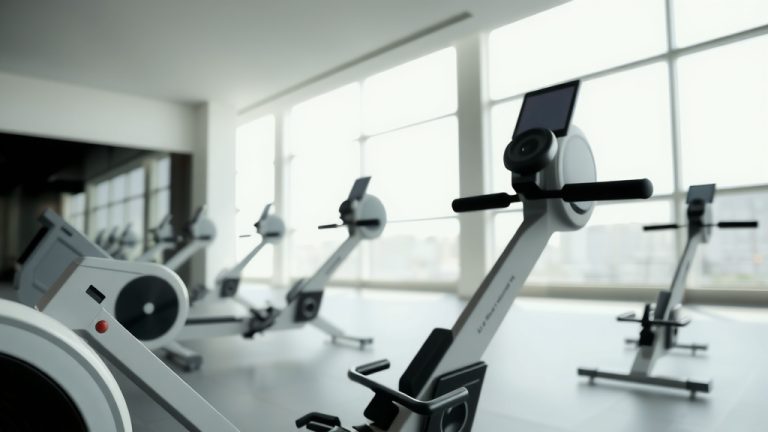
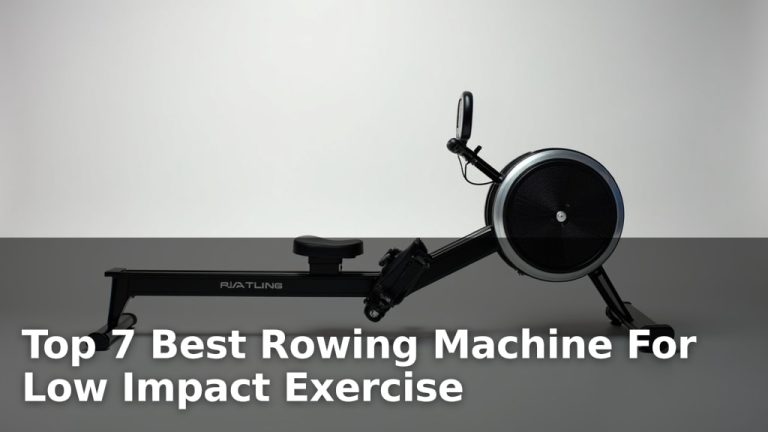
Air resistance rowers, like those from Concept2, use a large fan (or flywheel) to create resistance. When you pull, this fan spins. The faster you pull, the more air it moves. This movement of air creates a distinct “whooshing” sound. Many users describe it as a powerful, windy sound. This noise is completely normal and means your rower is doing its job. It’s often compared to the sound of a jet engine taking off, but much, much quieter!
- The whooshing sound is a sign of proper function.
- Faster strokes will naturally make the fan louder.
- This type of noise shouldn’t be confused with a squeak or grind.
Water Resistance Rowers: The Calming Splash
Water rowers, like WaterRower, use paddles

Conclusion
You now know why your rowing machine might be so loud. Whether it’s the normal whoosh of an air rower or an unusual squeak, most noises have a straightforward cause. We’ve seen that understanding your rower’s resistance type and performing regular maintenance are key. Don’t let unexpected sounds disrupt your fitness routine. Take a moment to diagnose the noise using the tips we’ve shared. With a little effort, you can often quiet things down and enjoy a peaceful, effective workout once again. Your machine will thank you!
Frequently Asked Questions
How often should I clean my rowing machine to prevent noise?
You should aim to clean your rowing machine regularly, perhaps once a week for light users or after every few uses for frequent workouts. Pay attention to dust buildup on the flywheel or track, which can cause friction and noise over time. A quick wipe-down and inspection can prevent many common sound issues.
Can using a mat under my rowing machine reduce noise?
Yes, using a mat can definitely help reduce noise. An exercise mat placed under your rowing machine can absorb vibrations and dampen sounds that might otherwise echo through your floor. It can also help