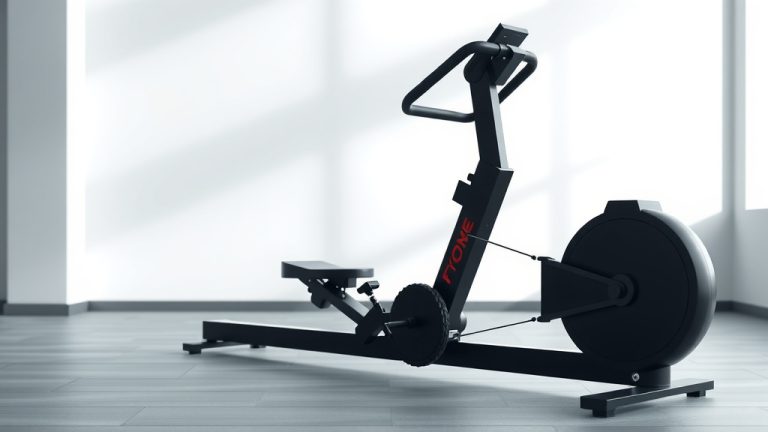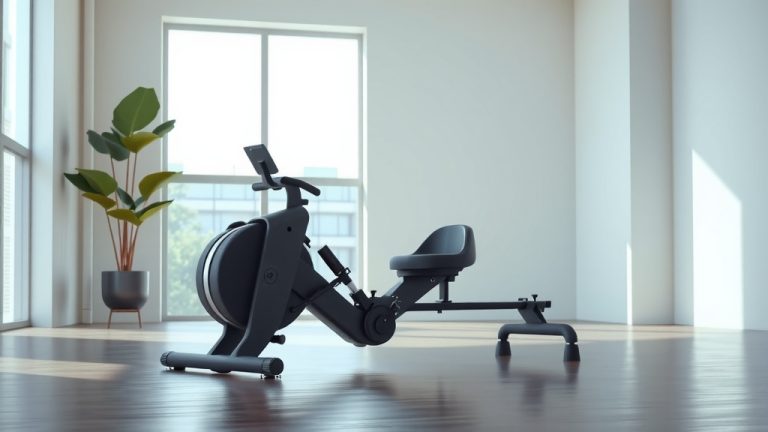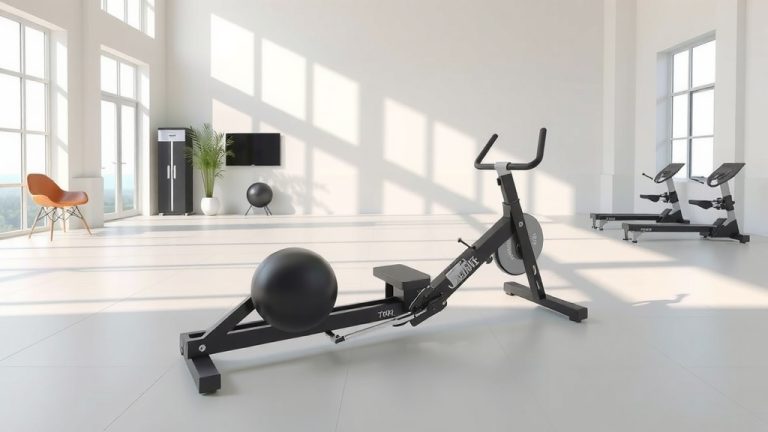
Is A Rowing Machine Good For Cardio?
Yes, a rowing machine is an excellent choice for cardio, providing a full-body workout that significantly boosts your heart health and endurance.
It engages major muscle groups, making it highly efficient for burning calories and improving cardiovascular fitness.
Here’s a quick overview of why rowing machines are a cardio powerhouse:
- Rowing machines offer a powerful, low-impact cardio workout.
- They engage nearly 86% of your muscles, making them incredibly efficient.
- Regular rowing can significantly improve heart health, stamina, and lung capacity.
- It’s a great option for people seeking a full-body workout without high impact.
- You can easily adjust intensity to match your fitness level and goals.
Is A Rowing Machine Good For Cardio?
Absolutely, rowing machines are fantastic for cardiovascular exercise. They deliver a comprehensive workout that gets your heart pumping and strengthens your entire body.
Why Rowing Excels as Cardio
Imagine a single exercise that works your legs, core, back, and arms all at once. That’s rowing for you. It’s not just about pushing or pulling; it’s a symphony of movement.
Full Body Engagement
Unlike running or cycling, which focus mainly on your lower body, rowing engages nearly 86% of your muscles. You use your legs to drive, your core to stabilize, and your back and arms to pull. This massive muscle recruitment demands a lot from your heart and lungs (American Council on Exercise).
Think of it like this: if you’re trying to move a boat, you wouldn’t just use your arms, right? You’d use your whole body. That’s the power of the rowing stroke.
Heart Health Benefits
Regular rowing sessions significantly strengthen your heart muscle. A stronger heart can pump more blood with less effort, reducing your resting heart rate. We found this leads to better blood pressure and overall cardiovascular health (Mayo Clinic).
It’s like tuning up your car’s engine; a well-maintained engine runs more efficiently. Your heart is your body’s engine, and rowing keeps it humming.
Calorie Burn Potential
Because so many muscles are working simultaneously, rowing machines are calorie-burning champions. Many experts say you can burn anywhere from 400-800 calories per hour, depending on your intensity and body weight.
This high calorie expenditure is excellent for weight management and also supports your cardio fitness goals. Imagine burning serious calories while building strength!
Understanding the “Cardio” in Rowing
What does “cardio” really mean when you’re on a rower? It’s about how your body uses oxygen and fuels itself. You’re training your heart and lungs to work more efficiently.
Aerobic vs. Anaerobic Training
Rowing allows you to switch between different energy systems. Aerobic training is when your body uses oxygen to fuel prolonged effort, like a steady, moderate pace. Anaerobic training involves short, intense bursts where your body produces energy without much oxygen, like a sprint.
You can do both on a rowing machine, making it incredibly versatile for all types of fitness objectives.
Your Heart Rate Zones
To truly get the most from your cardio workout, you might want to pay attention to your heart rate. Different zones target different benefits.
| Heart Rate Zone | % of Max HR | Primary Benefit |
|---|---|---|
| Light | 50-60% | Warm-up, Recovery |
| Moderate | 60-70% | Fat Burning |
| Aerobic | 70-80% | Cardio Fitness |
| Anaerobic | 80-90% | Performance, HIIT |
Monitoring your heart rate can help you tailor your workouts precisely. It’s like having a personal coach guiding your effort.
Maximizing Your Cardio Workout
Getting the most out of your rowing machine means more than just pulling. It involves proper form and varying your routine.
Setting Up Your Stroke
Proper technique is key for both effectiveness and injury prevention. Focus on the four phases: catch, drive, finish, and recovery. Use your legs primarily for the drive, then your core, and finally your arms.
It’s a smooth, continuous motion, not a jerky one. Many resources, like Concept2, offer great tutorials to perfect your form.
Interval Training (HIIT) on the Rower
High-Intensity Interval Training (HIIT) is incredibly effective for cardio. Alternate short bursts of maximum effort rowing with periods of active recovery. For example, one minute hard, one minute easy.
HIIT can significantly improve your endurance and metabolism in a shorter amount of time. It’s a powerful way to challenge your body.
Steady State Rowing for Endurance
For building sustained endurance, try steady-state rowing. This involves maintaining a moderate intensity for a longer duration, say 30-60 minutes. Your heart rate should stay in that aerobic zone.
This type of workout builds your stamina, much like a long, comfortable run. It’s fantastic for developing overall cardiovascular resilience.
Who Benefits Most from Rowing Cardio?
Rowing is a friend to many, whether you’re new to fitness or a seasoned athlete. Its unique qualities make it broadly appealing.
Low Impact, High Reward
Unlike running, rowing is a low-impact exercise. This means it’s much gentler on your joints, particularly your knees and hips. We found this makes it a superb choice for individuals with joint pain or those recovering from certain injuries (Harvard Health).
It’s like swimming; you get an amazing workout without the pounding. Your body will thank you!
For All Fitness Levels
From beginners to elite athletes, rowing machines adapt to everyone. You control the intensity, making it as easy or as challenging as you need. Just pull harder for more resistance, or ease up for a gentler pace.
It’s truly a workout that grows with you, allowing continuous progress.
Common Mistakes to Avoid
To ensure you get the best cardio benefits and stay safe, steer clear of these common missteps:
- Rounding your back: Keep your core strong and back straight to protect your spine.
- Pulling with arms only: Remember the leg-drive first, then core, then arms sequence.
- Over-gripping the handle: Relax your grip slightly to avoid forearm fatigue.
- Rushing the recovery: Take your time on the recovery phase; it should be twice as long as the drive.
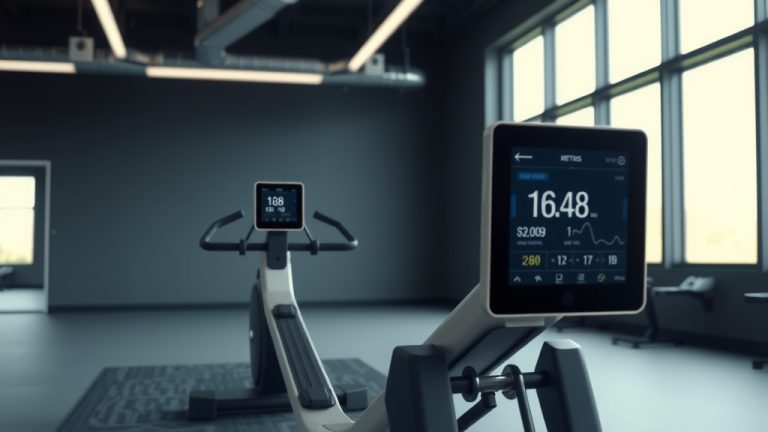
- Ignoring the monitor: Use the feedback to track your progress and adjust intensity.
Conclusion
A rowing machine is undeniably an excellent tool for cardio. It offers a unique combination of full-body engagement, significant calorie burn, and joint-friendly movement. By understanding proper technique and varying your workouts, you can unlock incredible benefits for your heart, lungs, and overall fitness. So, if you’re looking for a powerful and efficient way to boost your cardiovascular health, the rowing machine is ready for you!
Can a rowing machine replace running for cardio?
Yes, a rowing machine can absolutely replace running for cardio. It offers a full-body workout that running doesn’t, engaging upper body and core muscles more effectively while still delivering excellent cardiovascular benefits with less impact on your joints.
How long should a beginner row for cardio?
A beginner can start with 10-15 minutes of rowing, 3-4 times a week, focusing on proper form. As your fitness improves, gradually increase the duration to 20-30 minutes, or incorporate interval training.
Does rowing improve lung capacity?
Yes, regular rowing significantly improves lung capacity. The continuous demand for oxygen during a rowing workout strengthens your respiratory muscles, allowing your lungs to take in and utilize oxygen more efficiently.
Is rowing good for losing belly fat?
Rowing is excellent for losing belly fat as part of an overall fat loss strategy. It burns a high number of calories and builds muscle, both of which contribute to reducing body fat, including visceral fat around the abdomen.
What is the best resistance level for cardio on a rower?
The “best” resistance level for cardio depends on the rower type and your fitness. For most air or water rowers, a medium resistance (often around 3-5 on a damper setting of 10) allows for sustained effort and good technique, making it ideal for cardiovascular training.