How To Build Endurance On Rowing Machine?
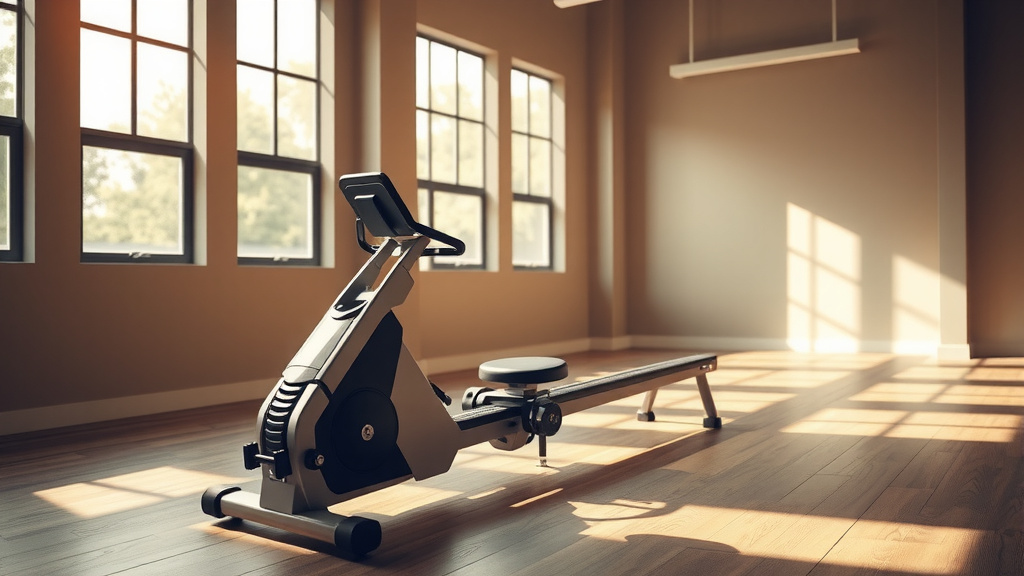
To build endurance on a rowing machine, focus on consistent, longer sessions at a moderate intensity, gradually increasing your duration and distance over time. Incorporating varied workouts like steady-state rows and interval training helps your body adapt and strengthens your cardiovascular system efficiently.
Mastering your rowing form is also vital for endurance, as proper technique conserves energy and prevents injury, allowing you to sustain effort for longer periods.
Here’s a quick overview of what you’ll find to help you reach your rowing endurance goals:
- Focus on proper technique to save energy and row longer.
- Start with steady, moderate workouts, then slowly increase time or distance.
- Mix in high-intensity interval training for a powerful endurance boost.
- Track your progress to stay motivated and adjust your plan.
- Remember rest, nutrition, and hydration are just as important as the workout itself.
How To Build Endurance On Rowing Machine?
Building endurance on a rowing machine involves smart training, consistent effort, and a focus on your body. It’s about teaching your heart and muscles to work efficiently for longer periods.
Imagine your body as a high-performance engine. You wouldn’t just floor the accelerator and hope for the best, would you? Instead, you’d learn how to use its power effectively. Rowing endurance works the same way.
Mastering the Rowing Stroke: Your Foundation
Before pushing for distance, ensure your form is solid. Poor technique wastes energy and can cause discomfort. Experts often highlight that a smooth, powerful stroke is key (Mayo Clinic).
The rowing stroke is a cycle of catch, drive, finish, and recovery. Each phase flows into the next without pause. Think of it as a dance, where every step has a purpose.
The Proper Form Checklist
- Catch: Shins vertical, arms extended, shoulders relaxed.
- Drive: Push with legs first, then lean back, then pull arms.
- Finish: Legs flat, lean back slightly, handle to lower ribs.
- Recovery: Arms extend, lean forward, then bend knees.
Many people rush the recovery. Instead, research shows a slow, controlled recovery is more efficient (NIH). It allows your body to prepare for the next powerful drive.
Starting Your Endurance Journey: Steady-State Rowing
The best place to begin building endurance is with steady-state cardio. This means rowing at a consistent, moderate pace for an extended period. You should be able to hold a conversation, but not sing.
Begin with 20-30 minutes, 3-4 times a week. Your goal isn’t speed, but rather to maintain a consistent effort. This builds your aerobic base, like laying a strong foundation for a house.
Progressive Overload: The Key to Improvement
Your body adapts quickly, so you need to gradually challenge it more. This is called progressive overload. Without it, your endurance gains will plateau.
We found that you can increase your steady-state rows by a few minutes or a small distance each week. Maybe add 2-3 minutes to your session, or increase your total meters by 500. Small changes make a big difference over time.
Integrating Interval Training for Power Boosts
While steady-state rowing builds your base, high-intensity interval training (HIIT) significantly boosts your cardiovascular fitness. HIIT involves short bursts of intense effort followed by brief recovery periods.
For example, you might row hard for 1 minute, then row lightly for 2 minutes. Repeat this cycle several times. Experts say HIIT can improve your body’s oxygen utilization dramatically (American College of Sports Medicine).
Sample Interval Workout
After a 5-minute warm-up, try this:
- Row hard (80-90% effort) for 1 minute.
- Row easy (50% effort) for 2 minutes.
- Repeat this 5-8 times.
- Finish with a 5-minute cool-down.
Limit HIIT to 1-2 times a week. Your body needs time to recover from these intense sessions.
Varying Your Workouts: Keep It Fresh
Your body loves routine, but it also loves a challenge. Don’t do the exact same workout every single time. Mixing things up keeps your training engaging and targets different energy systems.
Try pyramid workouts, where you increase then decrease your effort. Or perhaps longer, slower rows on some days and shorter, faster rows on others. This variety ensures comprehensive endurance development.
Fueling Your Endurance: Nutrition and Hydration
You wouldn’t expect a car to run on an empty tank. Your body is no different. Proper nutrition and hydration are non-negotiable for endurance athletes. We found that complex carbohydrates provide sustained energy for longer rows.
Water is crucial too. Dehydration severely impacts performance and recovery. Many guidelines point to consistent water intake throughout the day, not just during exercise (CDC).
The Power of Rest and Recovery
Muscle growth and endurance improvements actually happen during rest, not during the workout itself. Skipping rest days is a common mistake that can lead to burnout or injury.
Allow your body at least one full rest day from intense rowing each week. Gentle stretching or a light walk on rest days can help. Listen to your body; it will tell you when it needs a break.
Tracking Your Progress: Stay Motivated
How do you know if you’re getting better? You track it! Most rowing machines have monitors that display distance, time, and pace. Keep a simple log of your workouts.
Seeing your numbers improve is incredibly motivating. You might notice your average pace getting faster for the same duration, or you can row longer without feeling as tired. These are wins worth celebrating!
| Rowing Workout Types for Endurance | |
|---|---|
| Workout Type | Benefits for Endurance |
| Steady-State | Builds aerobic base, increases stamina over time, improves fat burning efficiency. |
| Interval Training (HIIT) | Boosts cardiovascular fitness, improves speed-endurance, enhances lactate threshold. |
| Pyramid Workouts | Develops ability to vary intensity, strengthens mental toughness, improves recovery within sessions. |
Your Weekly Endurance Checklist
Keep these points in mind for consistent progress:
- Aim for 3-5 rowing sessions each week.
- Dedicate 2-3 sessions to steady-state rowing.
- Include 1-2 interval sessions for intensity.
- Ensure at least one full rest day.
- Drink water throughout the day, every day.
- Eat balanced meals with complex carbs and protein.
Conclusion
Building endurance on a rowing machine is a rewarding journey. It requires patience, consistency, and smart training choices. By focusing on proper form, progressively challenging yourself, and balancing intense workouts with rest, you will see real improvements.
Remember, it’s not just about pushing harder, but about training smarter. Your body is capable of incredible things, and with the right approach, you can significantly boost your rowing endurance. Enjoy the process, celebrate your small victories, and feel the incredible benefits of a stronger, more resilient you!
What is the ideal stroke rate for endurance rowing?
For endurance rowing, many experts suggest a stroke rate between 18 and 24 strokes per minute. This rate allows you to generate power efficiently while maintaining a sustainable pace for longer durations. Focus on powerful, deliberate strokes rather than just a high stroke count.
How often should I row to improve endurance?
To consistently improve endurance, aim for 3 to 5 rowing sessions per week. This frequency provides enough training stimulus for adaptation without overtraining. Make sure to include rest days to allow for muscle recovery and growth.
Can I build endurance without going fast?
Absolutely! Building endurance primarily involves sustaining effort over time, not necessarily speed. Steady-state rowing at a moderate, conversational pace is highly effective for improving your aerobic capacity and stamina, even if your speed isn’t very high.
What is the “catch” in rowing and why is it important for endurance?
The “catch” is the starting position of the rowing stroke, where your shins are vertical, arms are extended, and you’re ready to drive back. It’s crucial for endurance because a good catch allows you to apply force effectively from your legs, maximizing power and conserving energy throughout your session.
How do I know if I’m pushing too hard during an endurance row?
If you’re struggling to speak more than a few words, feel excessive muscle burning, or find your form breaking down significantly, you might be pushing too hard. Endurance rowing should feel challenging but sustainable. You should be able to maintain your pace and form for the duration of your planned workout.