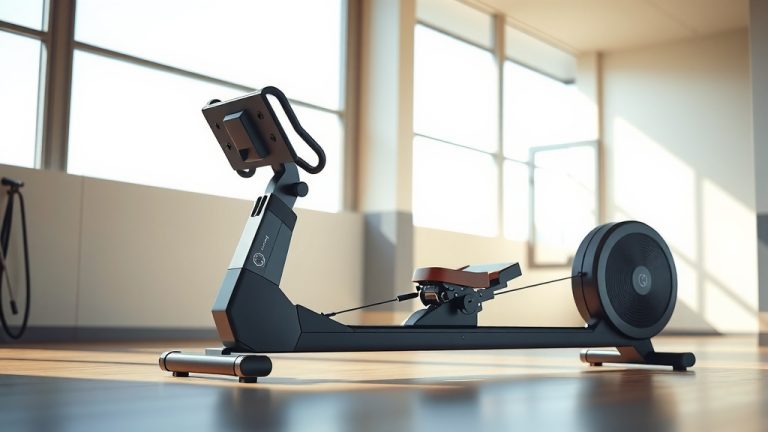
Is Rowing Machine Aerobic Or Anaerobic?
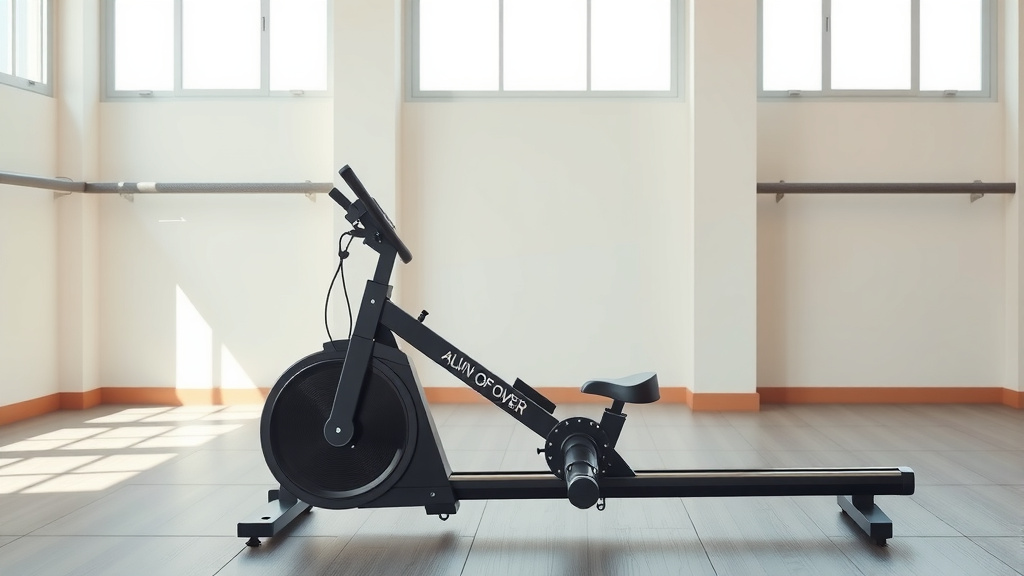
A rowing machine workout is both aerobic and anaerobic, making it a powerful full-body exercise. It effectively engages your cardiovascular system for endurance while also building strength and power through intense, shorter bursts.
You can easily tailor your rowing sessions to favor either aerobic (steady-state) or anaerobic (interval training) benefits.
- You will discover how rowing uniquely blends endurance and strength.
- We will help you understand the difference between aerobic and anaerobic exercise.
- Learn how to adjust your rowing workouts for specific fitness goals.
- Find out why a rowing machine is a smart choice for all-around fitness.
- Get practical tips to maximize your rowing experience, whether for cardio or power.
Is Rowing Machine Aerobic Or Anaerobic?
The rowing machine is truly special because it offers both aerobic and anaerobic benefits. It’s like getting two great workouts in one! You can train for a marathon or build explosive power, all on the same machine.
Understanding Aerobic Exercise
Aerobic exercise is all about endurance. Think of activities where your body uses oxygen to fuel your muscles for an extended time. This includes things like jogging, swimming laps, or cycling at a steady pace. It helps your heart and lungs become stronger, improving your overall cardiovascular health (CDC).
When you row at a moderate, consistent pace, you’re engaging in aerobic work. You can chat with a friend (if you have enough breath!) and keep going for 20-60 minutes. This kind of rowing builds your stamina and makes daily activities feel easier.
The Aerobic Benefits of Rowing
Rowing regularly at an aerobic intensity brings many health perks. You can improve your heart health, lower your blood pressure, and boost your energy levels. We found that consistent aerobic activity also helps with weight management and stress reduction (Mayo Clinic).
Imagine your heart as a pump; aerobic rowing makes that pump more efficient. Your body gets better at using oxygen. This means you feel less winded during everyday tasks, like climbing stairs or carrying groceries.
Understanding Anaerobic Exercise
Anaerobic exercise is the opposite of steady-state. It involves short, intense bursts of activity where your body produces energy without relying heavily on oxygen. Think of a quick sprint, lifting heavy weights, or jumping high. These activities can only be sustained for a short time, usually under two minutes.
When you push hard on the rowing machine, doing quick, powerful strokes, you’re training anaerobically. You might feel a burning sensation in your muscles as lactic acid builds up. This type of training builds muscle strength, power, and speed.
The Anaerobic Benefits of Rowing
Anaerobic rowing is fantastic for developing muscle strength and power across your entire body. It targets your legs, core, back, and arms all at once. This intensity can also help to boost your metabolism and burn more calories even after your workout is done. Many experts agree that interval training, which often includes anaerobic bursts, is very effective for fitness gains (ACSM).
These intense sessions help your body become more efficient at handling and clearing lactic acid. This means you can sustain higher intensity efforts for longer over time. You’re building a stronger, more explosive you.
How Rowing Machine Combines Both
The beauty of the rowing machine is its versatility. You can switch between aerobic and anaerobic training within the same workout or focus on one over the other. This makes it an incredibly efficient tool for overall fitness.
Most rowing workouts naturally combine elements of both. Even a steady-state row will have moments where you push a little harder. And an interval workout includes recovery periods that tap into your aerobic system. It’s a true full-body, dual-benefit exercise.
Choosing Your Rowing Style
Your fitness goals will guide whether you focus more on aerobic or anaerobic rowing. Are you training for endurance or looking to build muscle and power? Or perhaps you want a balance of both?
Here’s a quick look at how different rowing styles compare:
| Workout Style | Primary Focus | Intensity | Duration |
|---|---|---|---|
| Steady-State Rowing | Aerobic Endurance | Moderate, Consistent | 20-60+ minutes |
| High-Intensity Interval Training (HIIT) | Anaerobic Power & Speed | Very High Bursts, Followed by Rest | 15-30 minutes (including rest) |
Aerobic Rowing Workouts You Can Try
If you’re aiming for improved endurance and cardiovascular health, focus on longer, steady sessions. Here’s what we found works best:
- Warm-up: 5 minutes of easy rowing.
- Main set: 20-45 minutes at a pace where you can hold a conversation. Your breath should be slightly labored, but not gasping.
- Cool-down: 5 minutes of very light rowing and stretching.
This type of workout trains your body to be efficient with oxygen. It helps build a strong foundation for all other physical activities.
Anaerobic Rowing Workouts You Can Try
For building power, speed, and muscle, integrate high-intensity intervals. These workouts are shorter but much more demanding. Remember, quality over quantity here!
- Warm-up: 5-10 minutes of moderate rowing.
- Main set: Alternate between 1-minute all-out sprints and 2-3 minutes of easy recovery rowing. Repeat this 5-8 times.
- Cool-down: 5 minutes of light rowing.
These intense bursts really challenge your muscles. They help you develop explosive strength and can boost your fat-burning potential.
Combining Both for Optimal Fitness
For the best overall fitness, a balanced approach is often ideal. Many experts suggest mixing aerobic and anaerobic training throughout your week. This way, you develop both endurance and power, creating a very well-rounded physique and cardiovascular system.
You might do two to three aerobic sessions and one to two anaerobic sessions each week. Or, you could include short bursts of intensity within a longer aerobic row. Listen to your body and adjust as you get fitter.
A Balanced Rowing Routine Checklist
Here’s a simple checklist to ensure you’re getting a good mix:
- At least one long, steady-state row per week.
- One high-intensity interval session weekly.
- Include a thorough warm-up before every workout.
- Always cool down and stretch afterwards.
- Vary your stroke rate and power output often.
- Ensure you are hydrating well before and after each session.
Why The Rowing Machine Shines
The rowing machine is often called the “ultimate full-body workout” for good reason. It works about 86% of your muscles across major groups: legs (quads, hamstrings, glutes), core (abs, obliques), back (lats, rhomboids, traps), and arms (biceps, triceps). This widespread muscle engagement means you get more bang for your buck than with many other exercises.
Unlike some high-impact activities, rowing is also very kind to your joints. You get an intense workout without the pounding. This makes it a great option for almost anyone, regardless of age or fitness level (NIH).
Conclusion
The rowing machine offers a remarkable blend of both aerobic and anaerobic exercise, making it an incredibly versatile and effective tool for your fitness journey. Whether you’re aiming to boost your cardiovascular health with long, steady rows or build explosive power with high-intensity intervals, the rower has you covered. By understanding how to manipulate your workout intensity and duration, you can truly tailor your rowing sessions to meet your specific goals. It’s a low-impact, full-body workout that delivers big results, helping you become stronger, fitter, and healthier. So, pull on that handle and start reaping the dual benefits today!
Is rowing good for cardio?
Yes, rowing is excellent for cardiovascular health. Steady-state rowing at a moderate intensity significantly strengthens your heart and lungs, improving your body’s ability to use oxygen efficiently and boosting overall endurance.
Can rowing build muscle?
Absolutely! Rowing is a full-body exercise that engages major muscle groups in your legs, core, back, and arms. When you incorporate powerful strokes and high-intensity intervals, it effectively builds muscle strength and power.
How long should I row for a good workout?
For aerobic benefits, aim for 20-45 minutes at a steady, moderate pace. For anaerobic benefits, a 15-30 minute session including high-intensity intervals and rest periods is often sufficient. Always remember to include a warm-up and cool-down.
Is rowing a high-impact exercise?
No, rowing is considered a low-impact exercise. It provides an intense workout without putting excessive stress on your joints, making it a great option for individuals looking to protect their knees, hips, and ankles.
What’s the best way to get started with rowing?
Begin with a focus on proper form before increasing intensity. Watch tutorials to understand the leg-drive, core engagement, and arm pull sequence. Start with shorter, moderate sessions, then gradually increase duration or introduce intervals as your fitness improves.