
How to Fix a Squeaky Rowing Machine Seat?
A squeaky rowing machine seat is an annoying problem, but you can often fix it yourself with a few simple steps. Typically, the noise comes from friction between moving parts, like the wheels and the rail, or a loose component. Addressing these common culprits is key to getting your rowing machine silent again.
Dealing with a noisy rower can really throw off your workout rhythm. We’ve found that most squeaks are easily resolved with a little lubrication or tightening. Don’t let a noisy seat derail your fitness goals; restoring quiet is usually just a few minutes away, and often requires minimal tools.
- Clean the seat rail and wheels.
- Lubricate the wheels and track.
- Check for loose bolts or screws.
- Test the seat after each step.
Ready to silence that squeak? Let’s walk through the most effective ways to get your rowing machine seat running smoothly again.
Tackling That Pesky Squeaky Rowing Machine Seat
That squeak coming from your rowing machine seat can be incredibly distracting. You’re trying to focus on your workout, get into a rhythm, and then… squeak! It’s a common problem, and thankfully, usually a straightforward fix. We’ve found that most squeaks are caused by simple friction or loose parts. Let’s get it quiet again.
First Things First: Identifying the Source of the Squeak
Before you grab any tools, let’s try to pinpoint where that noise is coming from. Most often, the culprit is the seat wheels rubbing against the rail. Sometimes, it’s a connection point that’s come loose. You might hear the squeak most when you’re at the beginning or end of your stroke, or throughout the entire motion.
Listen Carefully to the Sound
Try to isolate the sound. Does it happen only when you move forward? Backward? Or does it persist through the whole stroke? This can give you clues. For example, a squeak at the very end of the stroke might point to something specific near that limit.
Visual Inspection for Obvious Issues
Take a good look at your seat mechanism. Are the wheels spinning freely? Do they look worn or damaged? Is there any visible debris stuck on the rail or wheels? Sometimes, a quick visual check reveals the problem immediately. You’re looking for anything out of the ordinary.
Cleaning the Rails and Wheels: Your First Line of Defense
Dirt, dust, and sweat can accumulate over time. This grime can create friction, leading to those annoying squeaks. Cleaning is often the simplest and most effective solution. Think of it like cleaning the tracks of a tiny train so it can glide smoothly.
What You’ll Need for Cleaning
You don’t need a lot of fancy equipment. A few basic items will do the trick:
- Microfiber cloths or soft rags
- Mild soap or all-purpose cleaner
- A small brush (like an old toothbrush or a detail brush)
- Water
Step-by-Step Cleaning Process
Start by wiping down the seat rail thoroughly with a damp cloth. Make sure to get into any crevices. If there’s stubborn grime, use a little mild soap or cleaner on your cloth. For the wheels, use your brush to clean around the edges and any visible bearings. Wipe them dry with a clean cloth. This simple process can make a surprising difference.
Lubrication: The Key to a Silent Ride
After cleaning, lubrication is often the next best step. Friction is the enemy of a quiet seat. Adding a lubricant can help the wheels glide effortlessly along the rail. After cleaning, lubrication is often the next best step to quiet a squeaky seat.
Choosing the Right Lubricant
Not all lubricants are created equal. For most rowing machines, a silicone-based lubricant or a dry PTFE spray is recommended. These are less likely to attract dust and dirt compared to oil-based lubricants. Check your rowing machine’s manual for specific recommendations if you have them.
We found that silicone spray is generally a safe bet for most materials found on rowing machine seats and rails. It provides a smooth, long-lasting glide. Many experts also suggest avoiding petroleum-based lubricants, as they can degrade certain plastics over time (Good Housekeeping).
Where to Apply Lubricant
The primary places to lubricate are the contact points:
- The edges of the seat wheels where they meet the rail.
- The surface of the seat rail itself.
Apply a light, even coat. You don’t want to oversaturate the area, as too much lubricant can also attract dirt.
Applying the Lubricant Correctly
Spray a small amount of lubricant onto a clean cloth, then wipe it onto the rail and wheel surfaces. Or, if using a spray, apply a short burst directly to the rail or wheels. After applying, roll the seat back and forth several times. This helps distribute the lubricant evenly. Wipe away any excess with your cloth.
Checking for Loose Components: Tighten Up!
Sometimes, the squeak isn’t from friction but from a part that’s come loose and is rattling or rubbing. This is especially common if you’ve had the machine for a while or if it’s seen heavy use.
What to Look For
Inspect all the bolts and screws that hold the seat mechanism together, and where the seat attaches to the slider. Are any of them visibly loose? Does anything feel wobbly?
Tools You Might Need
You’ll likely need a basic set of tools:
- Screwdrivers (Phillips and flathead)
- Allen wrenches (hex keys)
- A wrench or socket set (less common, but possible)
Many rowing machines use standard hardware, so a general toolkit should suffice.
The Tightening Process
Start by gently tightening any screws or bolts you find that seem loose. Don’t overtighten, especially if you’re dealing with plastic parts, as you could strip the threads or crack the plastic. Snug is good. If a bolt feels like it’s just spinning, it might have a stripped thread, which is a different, more complex fix.
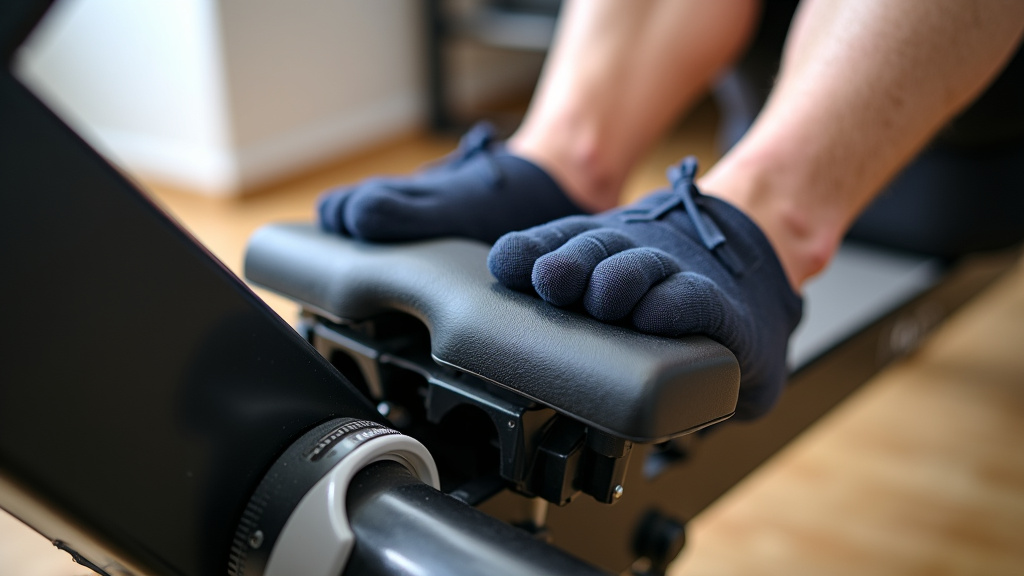
Testing Your Fixes as You Go
The best way to know if your efforts are working is to test the seat after each step. Clean it, test it. Lubricate it, test it. Tighten it, test it. This way, you know exactly which action resolved the squeak.
Perform a Stroke Test
After each potential fix, sit on the machine and perform a few rowing strokes. Listen carefully. Did the squeak disappear? Did it get quieter? If it’s still there, move on to the next troubleshooting step.
When to Re-evaluate
If you’ve tried cleaning, lubricating, and tightening, and the squeak persists, it might be time to consider if a part is worn out or damaged. This is less common but can happen with older machines.
Troubleshooting Persistent Squeaks
If the simple fixes haven’t silenced your rower, there are a few other things to consider. We found that sometimes the problem is less obvious than just a dirty rail.
Check the Wheel Bearings
The wheels have bearings inside them that allow them to spin freely. If these bearings are damaged or worn out, they can cause noise. Sometimes, cleaning and lubricating the entire wheel assembly can help, but if the bearings are shot, the wheels might need replacing. This is a more advanced repair and might require contacting the manufacturer.
Inspect the Seat Rail Itself
Is your seat rail warped, bent, or cracked? Damage to the rail itself can cause the wheels to bind or rub unevenly, leading to noise. If you find any damage, this is a more serious issue that likely requires professional attention or replacement of the rail.
Consider the Frame Connections
Sometimes, a squeak can originate from where the seat assembly connects to the main frame of the rowing machine. Ensure all those connection points are secure and properly tightened. A loose frame component can transfer vibrations and create noise that sounds like it’s coming from the seat.
Many guidelines for fitness equipment maintenance suggest regular checks of all structural components to ensure safety and performance (National Athletic Trainers’ Association).
Quick Checklist: Your Squeak-Busting Guide
Here’s a handy list to walk you through the process:
- Clean the Seat Rail: Wipe down the rail until it’s free of dust and grime.
- Clean the Seat Wheels: Use a brush to get debris out of the wheel grooves.
- Lubricate the Rail and Wheels: Apply a light coat of appropriate lubricant.
- Tighten Loose Bolts: Check and snug up any wobbly screws or bolts.
- Test Thoroughly: Row a few strokes to see if the squeak is gone.
- Re-evaluate if Needed: If still squeaking, consider worn parts or rail damage.
Conclusion
You’ve now learned how to tackle that irritating squeaky rowing machine seat. By focusing on cleaning, lubricating, and tightening, you’ve likely silenced the noise and restored your rower to its former quiet glory. Remember, most squeaks are simple issues born from friction or loose parts. You’ve got the knowledge to handle them yourself. Keep your machine well-maintained for the best workouts. If the squeak persists after these steps, you know to look for more worn components.
Frequently Asked Questions
How often should I clean and lubricate my rowing machine seat?
We recommend cleaning your seat rail and wheels at least once a month with regular use. Lubrication can be done every 2-3 months, or whenever you notice the squeak returning. Consistent maintenance is key to preventing future noise.
Can I use WD-40 on my rowing machine seat?
While WD-40 can temporarily silence a squeak, it’s often not the best long-term solution. It can attract dust and dirt, potentially worsening the problem over time. A silicone-based spray or dry PTFE lubricant is usually a better choice for rowing machines.
What if the squeak sounds like it’s coming from under the seat, not the wheels?
If the noise isn’t from the wheels on the rail, check the bolts where the seat itself attaches to the slider mechanism. Sometimes, these connections can loosen up with use, causing a squeaking or creaking sound as you move.
My rowing machine is new, but the seat is already squeaking. What should I do?
Even new machines can sometimes develop squeaks. Start with a thorough cleaning of the rails and wheels. Then, gently check if any bolts or screws seem loose. If the problem persists on a new machine, it might be worth contacting the manufacturer for assistance.
Is it okay to use grease as a lubricant for my rowing machine seat?
We generally advise against using heavy grease. Grease can become a magnet for dirt and dust, which can clog up the wheels and rails. Stick to lighter, purpose-made lubricants like silicone spray for the smoothest, quietest operation.
