
Can Rowing Machines Help with Rounded Shoulders?
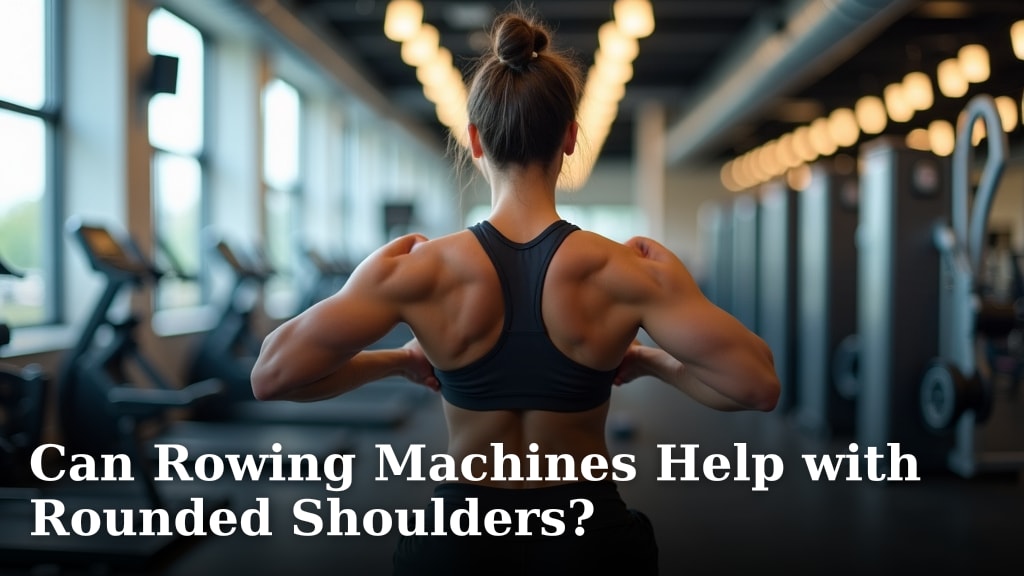
Yes, rowing machines can help with rounded shoulders by strengthening your upper back and improving posture. Regular use can help you build stronger back muscles and encourage better alignment. This makes them a great tool for addressing hunching.
When you row, you engage muscles that often get neglected. These muscles pull your shoulders back, counteracting the forward slouch common with rounded shoulders. This can lead to a more open chest and improved overall posture. You might feel more confident too!
- Rowing builds upper back strength.
- It helps improve your posture.
- It encourages shoulders to move back.
- You can see noticeable changes over time.
Let’s get into how exactly a rowing machine can help you stand a little taller and feel better. We’ll cover the key exercises and tips you need to know.
How Rowing Machines Can Help Correct Rounded Shoulders
Yes, rowing machines can absolutely help combat rounded shoulders. They work by strengthening the muscles in your upper back. These muscles are key players in keeping your shoulders pulled back. When these muscles are weak, your shoulders tend to round forward. This can happen from too much time spent sitting or looking down at screens.
A rowing machine offers a fantastic way to reverse this trend. It engages your rhomboids and trapezius muscles. These muscles are often underdeveloped in people with rounded shoulders. By consistently using a rower, you build them up. This creates a stronger foundation for better posture. You’ll find yourself standing taller and feeling more open.
Understanding Rounded Shoulders and Posture
Rounded shoulders, sometimes called kyphosis, is a common issue. It means your shoulders hunch forward. This can lead to pain in your neck and back. It can also affect your breathing. Your chest gets compressed, making it harder to take a deep breath. Poor posture isn’t just about how you look; it impacts how you feel and function.
The primary culprits are often lifestyle habits. Think about prolonged periods of sitting at a desk. Your head might jut forward. Your shoulders slump. Your chest caves in. Then you might slouch on the couch. Even how you hold your phone can contribute. Your body adapts to these positions, making them feel normal.
The Muscles Involved in Poor Posture
When shoulders round forward, certain muscles get tight and short. These include your chest muscles, like the pectorals. Your anterior deltoids (front of your shoulders) also shorten. At the same time, the muscles in your upper back weaken. These are your rhomboids and the middle and lower trapezius muscles.
These back muscles are your posture-supporting team. They act like a natural brace for your spine. They pull your shoulder blades together and down. When they’re not strong enough, they can’t do their job. Your shoulders naturally fall forward. It’s like a tug-of-war, and the chest muscles are winning.
How Rowing Directly Addresses Muscle Imbalances
Rowing is a full-body exercise. But it’s particularly effective for your posterior chain. That’s the back side of your body. The rowing motion requires you to pull with your back muscles. This directly strengthens the rhomboids and trapezius. It forces them to work against resistance.
The pulling phase of the row is where the magic happens. As you pull the handle towards your body, you squeeze your shoulder blades together. This action is the opposite of what happens when your shoulders round. It actively counteracts the forward pull. You’re essentially training your body to return to a more neutral, upright position.
Key Rowing Techniques for Posture Improvement
To get the most benefit for rounded shoulders, you need to use proper form. It’s not just about moving the handle. It’s about engaging the right muscles and maintaining alignment. Focus on a smooth, controlled movement.
The Importance of the Catch and Drive
The exercise starts at the catch. This is where you’re at your furthest forward point. Your knees are bent, and your arms are extended. Your back should be straight, not rounded. Think about keeping a slight natural curve in your lower back. Your chest should be lifted. Imagine you’re trying to puff your chest out just a little.
Next comes the drive. You push with your legs first. Then, you lean back slightly. Finally, you pull the handle with your arms. As you pull, actively think about squeezing your shoulder blades together. This is the crucial moment for engaging your upper back. Don’t just use your arms. Let your back do the heavy lifting, so to speak.
Focusing on the Finish and Recovery
At the finish, the handle should be near your chest or abdomen. Your legs are straight. Your torso is leaning back slightly. Again, keep your shoulders down and back. Avoid shrugging them up towards your ears. This can cause tension.
The recovery is the backward motion. It’s just as important as the pull. As you extend your arms forward, let your torso hinge forward first. Then, bend your knees to slide back. Maintain that upright posture. Don’t let your shoulders round forward again as you reset. Control the movement. Think of it as actively returning to the starting position with good alignment.
Mindful Rowing: Connecting with Your Muscles
Try to be present with each stroke. Don’t just go through the motions. Feel the muscles in your upper back working. Imagine them pulling your shoulder blades back. This mental connection is powerful. It helps reinforce the correct movement patterns. You might even hear some trainers call this “mind-muscle connection.”
We found that focusing on this connection can speed up results. It helps you learn to activate those postural muscles more effectively. Even if you don’t feel it intensely at first, keep the intention. Your brain will learn to recruit those muscles over time. It’s a skill you’re building.
Rowing Machine Settings and Considerations
The type of rowing machine and its settings can influence your workout. Most modern rowers offer adjustable resistance. This is often controlled by a damper setting. Higher resistance means more effort is needed to pull the handle.
Choosing the Right Resistance Level
For posture correction, you don’t necessarily need the highest resistance. You want a level that challenges you to maintain good form. If the resistance is too high, you might start to compromise your posture to complete the stroke. This defeats the purpose. Find a sweet spot.
A moderate resistance is often best. It allows you to focus on the muscle engagement in your back. You should feel your upper back muscles working. You should be able to complete a set number of strokes with good form. If you’re struggling, lower the resistance. We found that consistency with good form is more important than brute force.
Types of Rowing Machines and Their Impact
There are several types of rowing machines: air rowers, magnetic rowers, water rowers, and hydraulic rowers. Air rowers offer resistance that increases with your stroke speed. Magnetic rowers use magnets to create resistance. Water rowers mimic the sound and feel of rowing on water. Hydraulic rowers use cylinders.
All types can be effective for improving posture if used correctly. Air and water rowers often provide a more natural feel. They can be very responsive to your effort. The key is always proper technique. The machine itself is just a tool. Your body’s movement is what truly matters.
Incorporating Rowing into Your Routine for Posture
Consistency is key to seeing changes in your posture. Aim for regular rowing sessions. Start with shorter durations and gradually increase as you get stronger.
Frequency and Duration Recommendations
Many experts suggest aiming for 2-3 rowing sessions per week. For beginners, starting with 15-20 minute sessions is a good idea. Focus on form during these initial workouts. As your endurance and strength improve, you can increase the duration to 30-45 minutes or longer.
You might find that you notice improvements sooner than you think. Some research suggests that consistent exercise can lead to observable postural changes within a few months (NIH). Be patient with yourself. Progress isn’t always linear. Some days will feel better than others.
Listen to Your Body and Avoid Overtraining
It’s essential to listen to your body. If you feel pain, stop. Don’t push through sharp or persistent discomfort. Rowing can be intense. Overtraining can lead to fatigue and increased risk of injury. This could set back your progress.
Make sure you’re also incorporating rest days. Your muscles need time to recover and rebuild. Proper sleep and nutrition are also vital components of any fitness plan. They support muscle repair and overall well-being.
Complementary Exercises for Rounded Shoulders
While rowing is excellent, combining it with other exercises can accelerate your progress. Think of it as a well-rounded approach to posture.
Stretches for Tight Chest Muscles
Tight chest muscles contribute to rounded shoulders. Regular stretching can help lengthen them. A simple doorway stretch is effective. Stand in a doorway, place your forearms on the frame, and lean forward gently. Hold for 30 seconds. Repeat a few times.
Another good stretch involves lying on your back. Place a foam roller lengthwise under your spine. Let your arms fall out to the sides. This opens up your chest. You can also do thoracic extensions over the foam roller. These help improve upper back mobility.
Exercises to Strengthen the Upper Back Further
Beyond rowing, consider exercises that specifically target your upper back. Face pulls are fantastic for the rear deltoids and upper traps. Band pull-aparts are another great option for shoulder health and posture. These movements help reinforce the pulling action you do while rowing.
Superman exercises engage your entire posterior chain. They help build strength in your lower back and glutes, which are also important for overall posture. Bird-dog exercises improve core stability and back strength. A strong core supports a healthy spine.
A Checklist for Improving Your Posture with Rowing
Here’s a quick checklist to help you on your journey:
- Focus on Form: Prioritize correct rowing technique over speed or resistance.
- Engage Your Back: Actively squeeze your shoulder blades together during the pull.
- Maintain Upright Posture: Keep your chest lifted and shoulders down.
- Consistent Routine: Aim for 2-3 rowing sessions per week.
- Listen to Your Body: Rest when needed and avoid pushing through pain.
- Stretch Regularly: Complement rowing with chest stretches and back strengthening.
Conclusion
You’ve learned how rowing machines can be a powerful ally against rounded shoulders. By strengthening your upper back and promoting better posture, rowing offers a direct counter to the effects of modern sedentary lifestyles. Remember, consistent, mindful rowing with good form is key. Don’t just go through the motions; feel your back muscles working. Start incorporating rowing into your routine, listen to your body, and consider adding complementary stretches and exercises. You have the tools now to stand taller and feel more confident. Your next step? Hop on that rower and give it a go!
Frequently Asked Questions
How long does it take to see improvements in rounded shoulders from rowing?
Many users report feeling a difference in their posture within a few weeks of consistent rowing. Noticeable changes can often be seen within 2-3 months, but this varies based on individual consistency and effort. Keep at it, and be patient with your progress.
Can rowing make rounded shoulders worse?
Rowing can worsen rounded shoulders if done with poor form. Focusing on hunching your shoulders or using your arms too much without engaging your back can reinforce bad habits. Always prioritize correct technique to reap the benefits.
Is a specific type of rowing machine better for posture?
All types of rowing machines can help improve posture if used correctly. Air and water rowers often provide a more natural feel, but the most important factor is your technique. Focus on engaging your upper back muscles with any machine you use.
Do I need to use high resistance on the rower for posture improvement?
No, high resistance isn’t necessary. A moderate resistance level allows you to focus on form and muscle engagement without overexerting yourself. If the resistance is too high, you might sacrifice good posture, which is counterproductive.
What should I do if I feel neck or shoulder pain while rowing for posture?
If you experience pain, stop rowing immediately. Pain is a signal that something isn’t right. You might be using poor form, have an underlying issue, or need to adjust your setup. Consult with a fitness professional to ensure your technique is correct.
