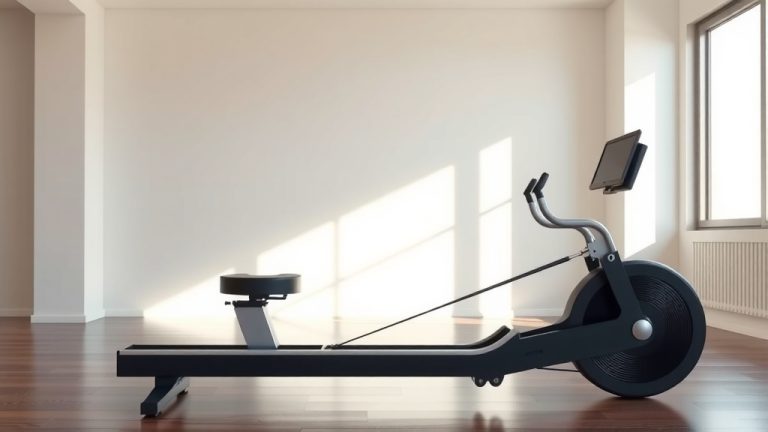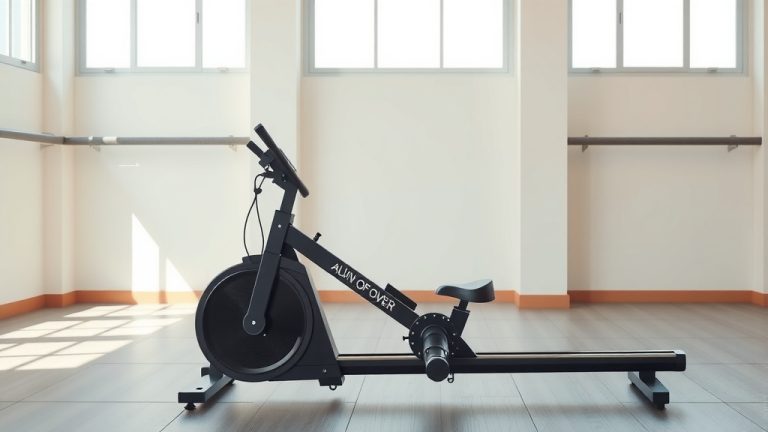
How Long To Row 2000M On Rowing Machine?
Typically, rowing 2000m on a rowing machine takes anywhere from 6 to 10 minutes for most adults, depending on their fitness and skill.
Your exact time to row 2000 meters will depend on your fitness level, rowing technique, and the effort you put into each stroke.
Here’s a quick overview of what you’ll learn about rowing 2000m:
- Most people finish 2000m in 6 to 10 minutes.
- Your personal time depends on fitness, technique, and effort.
- Good technique can shave off significant seconds.
- Practicing different workouts will help boost your speed.
- Always focus on your form before power.
How Long To Row 2000M On Rowing Machine?
You’re curious about how long it takes to conquer that 2000-meter challenge on a rowing machine, right? For most people, a 2000m row falls somewhere between 6 and 10 minutes. It’s a fantastic fitness benchmark.
What Impacts Your 2000M Rowing Time?
Have you ever noticed how some people glide through their rows while others seem to struggle? Several things play a part in your 2000m rowing time. It’s not just about how strong you are; there’s more to it.
Your Fitness Level Matters
Naturally, your current fitness level is a big factor. Someone who exercises regularly and has good cardiovascular health will likely finish faster. If you’re just starting, your time will improve with consistent practice.
Technique Is King
This is where many people lose time without realizing it. Proper rowing technique isn’t just for looking good; it makes every stroke more efficient. We found that good technique helps you use your legs, core, and arms in the right sequence (Concept2 Rowing).
Damper Setting Choices
The damper setting on your rowing machine affects how much “air” resistance you feel. It’s like gears on a bike. A higher setting doesn’t necessarily mean a faster time; it often means you tire out more quickly if you’re not strong enough. Many experts say a medium setting often helps you find a good balance of power and endurance.
Your Race Day Mindset
Believe it or not, your mental approach plays a role. Are you pushing hard from the start? Are you pacing yourself? Staying focused and pushing through the discomfort can significantly impact your final split time.
Average 2000M Rowing Times
So, what’s a “good” time? It truly depends on who you are. We’ve seen a wide range of times, and comparing yourself to an Olympic athlete isn’t very helpful. Let’s look at some general benchmarks.
| Category | Typical 2000M Time | Key Characteristics |
|---|---|---|
| Beginner | 8:00 – 10:00 minutes | Learning technique, building stamina, inconsistent pace. |
| Intermediate | 7:00 – 8:00 minutes | Good technique, consistent pace, working on speed. |
| Advanced | Under 7:00 minutes | Excellent technique, strong aerobic base, powerful stroke. |
| Elite Athlete | Under 6:00 minutes | Professional training, peak physical condition, perfect form. |
Beginner Rowers
If you’re new to rowing, don’t worry about being fast. Focus on learning the movement and building endurance. A time between 8 to 10 minutes is quite common for beginners. Consistency is your best friend here.
Intermediate Rowers
Once you understand the basic strokes and can maintain a rhythm, you’re likely in the intermediate group. You’re probably finishing a 2000m row in about 7 to 8 minutes. This is where you can start pushing for speed.
Advanced Rowers
If you’re rowing under 7 minutes, you’re doing wonderfully! This usually means you have a solid fitness base, refined technique, and a strong drive. You’re likely incorporating different types of rowing workouts into your routine.
How Can You Improve Your 2000M Time?
Want to shave off some seconds? It’s totally possible! Improving your 2000m time involves a mix of smart training and self-awareness. Think of it like a puzzle; each piece helps you see the full picture.
Drill Your Rowing Technique
Spend time on technique drills, even during warm-ups. Focus on the drive, the recovery, and connecting your entire body into one smooth motion. We found that working with a coach or watching instructional videos can make a huge difference (British Rowing).
Vary Your Workouts
Don’t just row 2000m every day. Mix in longer, steady-state rows for endurance. Add interval training with short bursts of high intensity followed by rest. This variety helps your body adapt and get stronger.
Boost Your Endurance
Longer, slower rows build your aerobic base. Can you row for 30 minutes at a comfortable pace? Building this foundation will make that 2000m sprint feel much more manageable. Many experts suggest steady-state cardio for improved endurance.
Strength Training Helps
Rowing uses almost every major muscle group. Incorporating strength training for your legs, back, core, and arms can directly translate to more powerful strokes. Think squats, deadlifts, and planks to strengthen key areas.
Pre-Rowing Checklist for Success
Before you even pull your first stroke, a little preparation can set you up for a better 2000m time. Have you thought about these things?
- Hydrate well before starting.
- Do a 5-10 minute dynamic warm-up.
- Ensure your foot straps are secure.
- Check your damper setting is appropriate for you.
- Have a plan for your pacing strategy.
- Mentally prepare to push yourself.
Common Mistakes to Avoid
We all make mistakes, especially when learning something new or pushing our limits. Knowing what to watch out for can save you time and prevent frustration. Here are a few common pitfalls to steer clear of.
Rushing the Stroke
Many beginners rush the recovery phase of the stroke. Remember the sequence: legs, body, arms on the drive; then arms, body, legs on the recovery. A controlled recovery allows you to catch your breath and prepare for the next powerful drive.
Ignoring Your Core
Your core muscles are the bridge between your upper and lower body in rowing. A weak or disengaged core means you’re losing power and risking back strain. Engage your core throughout the stroke for maximum efficiency.
Too High a Damper
It’s tempting to crank the damper up to 10, thinking it means a harder workout. But it often leads to quicker fatigue and poor technique. Research often connects a moderate damper setting (around 3-5 on a Concept2) with better sustained power (NIH).
Is a 2000M Row a Good Workout?
Absolutely! A 2000m row is a fantastic workout. It’s intense enough to boost your cardiovascular fitness, builds strength across your entire body, and challenges your mental toughness. It’s a complete body workout that is also low-impact, which is great for your joints (Mayo Clinic).
Conclusion
Rowing 2000m on a machine is a rewarding challenge that many people enjoy. Your time will naturally get better as your fitness grows and your technique sharpens. Focus on learning the correct form, varying your workouts, and listening to your body. You’ll not only improve your time but also enjoy a full-body workout that keeps you coming back for more. So, hop on that rower and give it your best!
How fast should a beginner row 2000m?
A beginner can typically expect to row 2000m in 8 to 10 minutes. The priority for new rowers should be to establish good technique and a consistent rhythm, rather than focusing solely on speed.
What is a good 2000m rowing time for a female?
For many women, a time between 7:30 to 8:30 minutes for 2000m is considered a good intermediate to advanced level. Elite female rowers often complete 2000m in under 7 minutes.
Can I row 2000m every day?
You can row 2000m every day, especially if you focus on moderate intensity. However, varying your workouts (some longer, some shorter, some higher intensity) can help prevent burnout and overuse injuries while building more comprehensive fitness.
Does damper setting affect 2000m time?
Yes, the damper setting directly affects how much resistance you feel, which impacts your 2000m time. A setting that’s too high can tire you out quickly, while a setting that’s too low might not allow you to generate enough power. Most people find a medium setting (3-5) helps achieve a strong, sustainable pace.
What is the ideal stroke rate for a 2000m row?
The ideal stroke rate for a 2000m row can vary based on your personal style and power. Many experts suggest aiming for a stroke rate between 28 and 32 strokes per minute (spm) for competitive 2000m races, balancing power and efficiency.