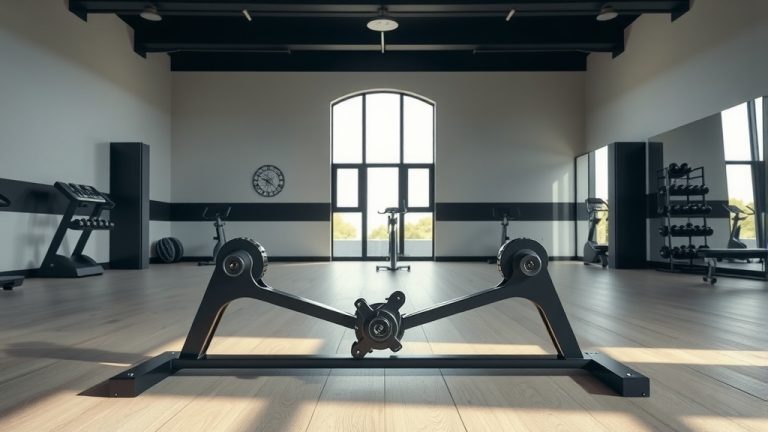
Is A Rowing Machine A Good Workout?
Yes, a rowing machine is a good workout because it delivers a comprehensive, full-body exercise that effectively combines cardiovascular fitness with strength building. It engages a vast number of muscles, making it an incredibly efficient way to improve your overall health and stamina.
This low-impact workout provides significant benefits for your heart, lungs, and muscles, making a rowing machine a versatile and smart addition to almost any fitness routine.
- A rowing machine offers a powerful full-body workout, utilizing nearly every major muscle group.
- It significantly boosts your heart health and builds strength without placing heavy stress on your joints.
- Rowing is excellent for burning calories and actively assisting with weight management goals.
- This exercise is highly adaptable, making it suitable for almost all fitness levels, from novices to seasoned athletes.
- Choosing a rowing machine means opting for a smart, low-impact path to better fitness and sustained health.
Is A Rowing Machine A Good Workout?
Absolutely, a rowing machine offers one of the most complete and efficient workouts you can find. It’s a fantastic choice for anyone looking to boost their fitness across multiple areas.
Think of it as a full gym session packed into a single, fluid motion. You’re not just working your legs or your arms; you’re engaging almost your entire physical self.
Why Rowing Stands Out in Fitness
You might wonder what makes rowing so special compared to other exercises. We found it’s the unique combination of muscle groups worked and the cardiovascular challenge it presents that truly sets it apart. It’s a symphony of movement that provides maximum benefit efficiently.
Full Body Engagement
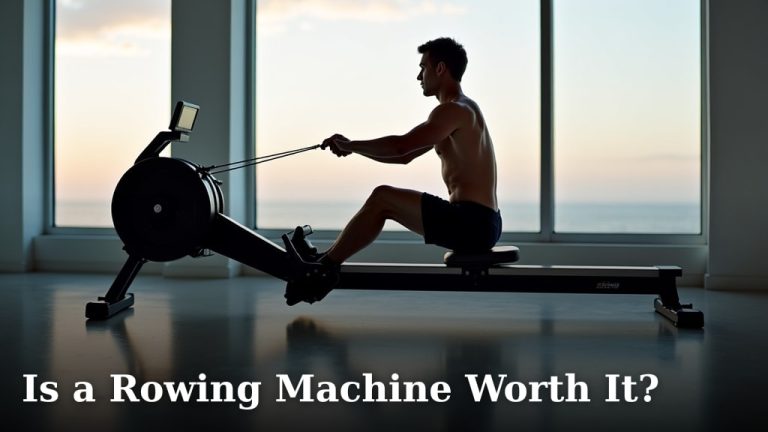
When you row, you’re not just moving your body; you’re orchestrating a powerhouse of muscles. We found that a single stroke effectively activates about 86% of your muscles, including your legs, core, and upper body. This means you’re getting more done in less time.
From the powerful leg drive to the strong pull of your arms and the stabilizing work of your core, every part contributes. This makes rowing an exceptional tool for overall muscle toning and development.
Cardio and Strength Combo
Imagine getting your heart pumping while simultaneously building strength. That’s the magic of a rowing machine. It offers an amazing cardiovascular workout that improves your endurance, alongside a resistance workout that helps to sculpt your muscles.
You’re getting the best of both worlds, making your workout time incredibly productive. This dual benefit is a key reason why many experts recommend rowing for comprehensive fitness plans.
The Health Benefits You’ll Feel
Beyond the immediate workout, the consistent use of a rowing machine brings a cascade of health benefits. These advantages extend from your internal systems to your daily energy levels, making you feel stronger and more vibrant.
Heart Health Pumping
Your heart is a muscle, and like any muscle, it thrives on exercise. Rowing provides an excellent aerobic workout that strengthens your heart and improves circulation. Many experts say regular cardio like rowing can lower blood pressure and reduce the risk of heart disease (Mayo Clinic).
When you row, your lungs work harder, taking in more oxygen, which is then efficiently delivered to your body. This leads to a healthier cardiovascular system and greater stamina in your daily life.
Stronger Muscles, Less Impact
Building strength usually comes with high-impact exercises that can be tough on joints. But rowing offers a fantastic alternative. It’s a low-impact activity, meaning it’s gentle on your knees, hips, and back while still helping you build significant muscle mass.
This makes it ideal if you’re recovering from an injury, managing joint pain, or simply looking for a safer way to get strong. You can push yourself without the worry of unnecessary stress on your body.
Weight Management Partner
Looking to manage your weight? A rowing machine can be your best friend. Because it uses so many muscles, it burns a high number of calories, helping you create that important calorie deficit for weight loss.
Regular rowing sessions, combined with a balanced diet, can be incredibly effective. We found that even moderate rowing can contribute significantly to achieving and maintaining a healthy body weight.
Making Rowing Part of Your Routine
Integrating a rowing machine into your daily or weekly fitness schedule is easier than you might think. With the right approach and a little consistency, you’ll be reaping the benefits in no time. It’s all about finding what works best for you.
Finding Your Rhythm and Form
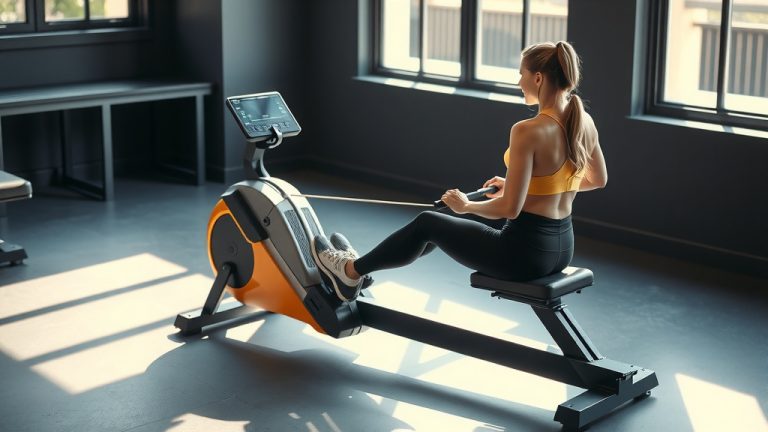
Good form is crucial for an effective and safe rowing workout. It’s not about brute force, but about a smooth, powerful sequence of legs, core, and arms. Focus on the drive phase first, pushing with your legs, then engaging your core, and finally pulling with your arms. Remember to keep your back straight and your shoulders relaxed for optimal performance and safety.
Many guides suggest watching instructional videos to perfect your stroke. A few minutes of practice will help you build muscle memory and ensure you get the most out of every pull. You’ll quickly find a rhythm that feels natural and powerful.
Common Rowing Mistakes to Avoid
To maximize your workout and prevent injury, steer clear of these common errors:
- Pulling with your arms too early, instead of driving with your legs.
- Rounding your back, which can cause strain.
- Over-reaching at the catch, leading to an awkward position.
- Letting your handle hit your knees on the recovery.
- Ignoring the monitor; it gives valuable feedback on your efforts.
Rowing Machine vs. Other Cardio: A Quick Look
How does a rowing machine stack up against other popular cardio equipment? Here’s a simple comparison to help you understand its unique advantages. Each has its place, but rowing brings a distinct set of benefits.
| Feature | Rowing Machine | Treadmill | Stationary Bike |
|---|---|---|---|
| Muscle Engagement | Full-body (86% muscles) | Mainly lower body | Mainly lower body |
| Impact Level | Very Low | Moderate to High | Very Low |
| Cardio & Strength | Excellent combination | Excellent cardio, minimal strength | Excellent cardio, minimal strength |
| Joint Friendliness | Highly joint-friendly | Can be hard on joints | Joint-friendly |
| Calories Burned (per 30 min) | High (200-400+) | High (250-500+) | Moderate (150-350+) |
Is Rowing Suitable For Everyone?
Almost everyone can benefit from rowing. Its low-impact nature makes it accessible to a wide range of individuals, from active seniors to competitive athletes. If you have specific health concerns, it’s always wise to talk with a doctor before starting any new exercise routine to ensure it’s the right choice for you.
Modifications can often be made to suit different physical abilities, making rowing a highly adaptable exercise. Many find it an inclusive way to stay fit and improve their health.
Choosing the Right Rowing Machine
When you’re ready to bring a rower into your home, a few considerations can help you pick the perfect one. Your space, budget, and desired resistance type (air, magnetic, water, hydraulic) will guide your decision for the best fit.
Space and Budget Considerations
Rowing machines come in various sizes, some even fold for storage. Consider the space you have available, both during use and when stored. Your budget is also a key factor; prices vary widely based on features and brand. We found that a good quality machine is an investment in your health.
Maintenance Tips for Longevity
To keep your rowing machine running smoothly for years, follow these simple maintenance tips:
- Wipe down the seat and handle after each use to remove sweat.
- Check and tighten any loose bolts or screws periodically.
- Clean the rail or track to ensure a smooth slide.
- Inspect the chain or strap for any signs of wear.
- Store your machine in a dry, safe place away from extreme temperatures.
- Lubricate moving parts according to the manufacturer’s instructions.
Conclusion
To answer the question, “Is a rowing machine a good workout?” with a resounding yes. It’s an exceptionally effective, low-impact exercise that offers a full-body workout, boosting both cardiovascular health and muscular strength. Whether your goal is weight management, improved stamina, or just overall fitness, a rowing machine provides a comprehensive and efficient path to success. With proper form and consistent effort, you’ll quickly discover why it’s a favorite among fitness enthusiasts and health professionals alike.
Is a rowing machine good for losing belly fat?
Yes, a rowing machine can be very effective for losing belly fat. As a high-calorie-burning exercise that engages many muscle groups, it helps create the calorie deficit needed for fat loss across your entire body, including stubborn belly fat. Consistent use combined with a balanced diet is key.
How long should a beginner row for?
Beginners should start with shorter, manageable sessions, perhaps 10-15 minutes, three to four times a week. Focus on good form over speed or duration. Gradually increase your time and intensity as your fitness improves, aiming for 20-30 minute sessions.
Can rowing machines build muscle mass?
Rowing machines are excellent for building muscular endurance and toning muscles across your entire body, particularly in your legs, back, core, and arms. While it may not build mass as quickly as heavy weightlifting, it significantly contributes to muscle strength and definition.
Is rowing bad for your back?
No, rowing is generally not bad for your back if done with correct form. In fact, it can strengthen your core and back muscles, which helps prevent back pain. Poor form, such as hunching your back or pulling too hard with your arms, can lead to strain, so always prioritize proper technique.
What’s the best type of rowing machine for home use?
The best type depends on your preferences. Water and air resistance rowers offer a more natural, dynamic feel. Magnetic rowers are quieter and provide consistent resistance. Hydraulic piston rowers are often the most compact and budget-friendly. Consider noise level, feel, and storage space when choosing for home use.