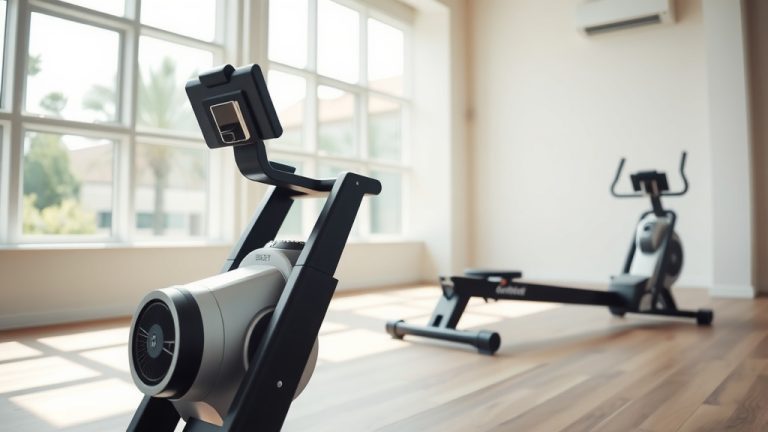
Do It Yourself Rowing Machine?
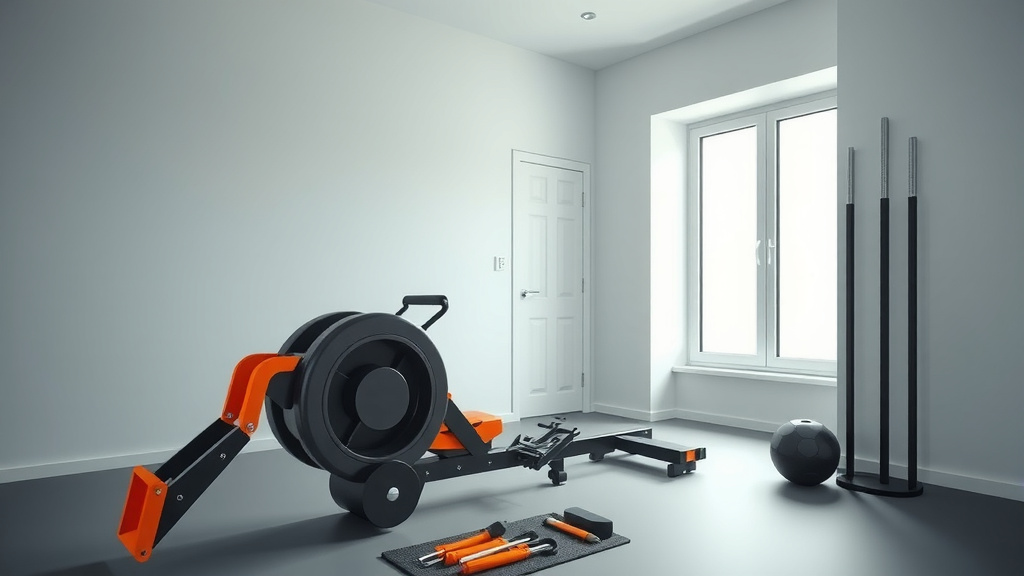
Yes, you can absolutely build a do it yourself rowing machine, though it often requires a good grasp of engineering and woodworking skills. Creating a homemade rowing machine is a rewarding project for many fitness enthusiasts.
A DIY rowing machine can save you money and allow for customization, but it comes with potential trade-offs in durability and performance compared to commercial models.
Here’s the rundown if you’re thinking about a DIY rowing machine:
- DIY rowing machines are possible but need solid technical skills.
- You might save money and customize your machine to your liking.
- Expect compromises in feel, safety, and long-term durability.
- Off-the-shelf options usually offer better performance and warranty.
- Prioritize safety and proper function if you choose to build your own.
Do It Yourself Rowing Machine?
Building your own rowing machine sounds exciting, doesn’t it? It’s a project that many fitness lovers consider for various reasons.
You can certainly build one, but it’s not quite like assembling furniture from a kit. It takes real thought and skill.
Why Build Your Own? The Allure of DIY
You might be wondering, why bother with building when stores are full of options? For many, the main draw is the potential cost savings.
High-quality rowing machines can carry a significant price tag. A DIY project can look like a way to save cash.
Another big reason is customization. You get to design it yourself, fitting it to your space and specific needs.
Imagine a rowing machine that fits perfectly in that odd corner of your room. That’s the DIY dream.
The DIY Advantage: Cost and Personalization
Saving money is often the top motivator. By sourcing parts yourself, you avoid the retail markups.
You can also choose specific materials. Want a wooden frame? You can make it happen exactly how you like.
This personalization extends to features. You can add unique touches that standard models just don’t offer.
The Reality Check: What Building a Rowing Machine Involves
While the idea is attractive, the execution demands a lot. This isn’t a weekend afternoon project for most people.
You’ll need a good understanding of mechanics. How will the seat slide? What kind of resistance will you use?
Many experts say that safety must be your priority. A poorly built machine could cause injuries.
Essential Components for Your DIY Rower
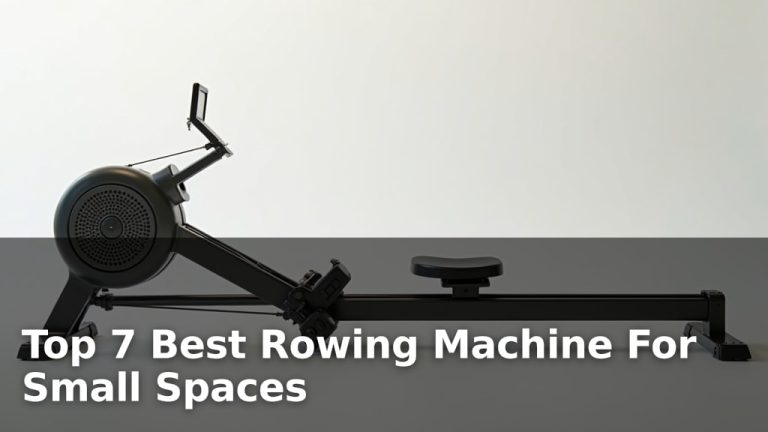
Think about the basic parts of any rowing machine. You need a rail for the seat, a sliding seat, and a handle.
Then comes the resistance system, which is arguably the most complex part to design and build effectively.
We found that a sturdy frame is non-negotiable. It needs to hold up to repetitive stress and your body weight (NIH).
Choosing Your Resistance System: The Core Challenge
This is where things get tricky. Commercial rowers use air, water, or magnetic resistance.
Replicating these at home requires ingenuity. Can you build an air fan or a water tank that works smoothly?
Some DIY builders opt for simple bungee cords or friction-based systems. These are easier but less sophisticated.
Skills and Tools You’ll Need
Building a rowing machine isn’t just about good intentions. You’ll need practical skills.
Woodworking or metalworking skills are usually a must. Can you cut, drill, and join materials precisely?
You’ll also need a decent set of tools. Think saws, drills, wrenches, and maybe even a welder.
Considering Your Workshop Capability
Do you have the space and equipment? A garage or dedicated workshop makes a huge difference.
Trying to build a large piece of fitness equipment in your living room can get messy, and maybe not safe.
We found that having the right tools on hand prevents frustration and leads to a better finished product.
Potential Downsides of a Homemade Rower
It’s important to be realistic. A DIY rowing machine might not perform like a store-bought one.
The stroke might not be as smooth. The resistance might feel inconsistent during your workout.
Durability can also be a concern. Will it stand the test of time and thousands of strokes?
Here’s a quick look at DIY vs. Commercial options:
| Feature | DIY Rowing Machine | Commercial Rowing Machine |
|---|---|---|
| Cost | Potentially Lower (materials only) | Generally Higher (R&D, brand, warranty) |
| Customization | High (built to your specs) | Low (standard models) |
| Performance/Feel | Can be inconsistent, rough | Smooth, consistent, engineered |
| Safety | Depends entirely on build quality | Tested, certified standards (Mayo Clinic) |
| Durability | Variable, depends on materials and construction | Typically High, with warranty |
| Resale Value | Very Low or None | Moderate to High, depending on brand |
Safety First: A Critical Consideration
This point cannot be stressed enough. Your fitness equipment should not pose a risk.
Ensure all connections are secure. No sharp edges. The resistance system should operate safely.
Many guidelines point to regular inspection of equipment, especially homemade items (CDC).
A Checklist Before You Start Building
Before you grab your tools, take a moment to plan. This quick checklist can help you get ready.
- Have you researched existing DIY plans thoroughly?
- Do you possess the necessary woodworking or metalworking skills?
- Are all required tools available and in good working order?
- Have you budgeted for all materials, including potential mistakes?
- Is there a dedicated, safe space for construction?
- Have you thought about how to test its safety and function?
Alternatives to Building Your Own
If DIY feels like too much, remember you have other options. You don’t have to break the bank for a rower.
Consider looking for used machines. Many people sell well-maintained rowers online or at garage sales.
There are also budget-friendly commercial models available. Some brands offer entry-level machines that perform well.
Used Rowers: A Smart Option
Buying used can be a great compromise. You get an engineered machine at a fraction of the cost.
Just remember to inspect it thoroughly before buying. Check for wear and tear, and test its functionality.
This path often gives you better performance and safety without the DIY headache.
Conclusion
Building a do it yourself rowing machine is an admirable project. It offers a chance for customization and potentially saves you money.
However, it requires significant skill, time, and attention to detail. The performance and safety might not match commercial standards.
Carefully weigh your capabilities and expectations. Sometimes, a smart purchase of a new or used rower is the better path for your fitness journey.
Frequently Asked Questions About DIY Rowing Machines
Is a homemade rowing machine as effective as a store-bought one?
A homemade rowing machine can provide a decent workout, but it often struggles to match the smooth, consistent resistance and ergonomic design of a commercially produced unit. The feel and efficiency of your stroke might vary greatly compared to professional models.
What are the riskiest parts to build on a DIY rowing machine?
The resistance mechanism and the sliding seat system are typically the riskiest parts. Ensuring stable, secure attachment points for the resistance and a smooth, derailment-proof seat track is vital for both performance and user safety.
How much can I realistically save by building my own rowing machine?
Savings vary wildly depending on your design and materials. While you might save on labor and brand markups, the cost of quality materials, specialized parts, and necessary tools can add up quickly. It might not be as cheap as you initially expect.
Can I add a performance monitor to my DIY rowing machine?
Adding a sophisticated performance monitor to a homemade rowing machine is very challenging. Commercial monitors are designed for specific machine mechanisms. You might be able to integrate basic timers or smartphone apps, but advanced metrics would be difficult to track accurately.
Are there simple DIY rowing machine plans available for beginners?
While some simplified plans exist, even the “beginner” DIY rowing machine projects usually assume a basic level of carpentry or mechanical skill. For absolute novices, starting with a simpler fitness DIY project might be a better first step before tackling something as complex as a rower.