How Does A Rowing Machine Change Your Body?
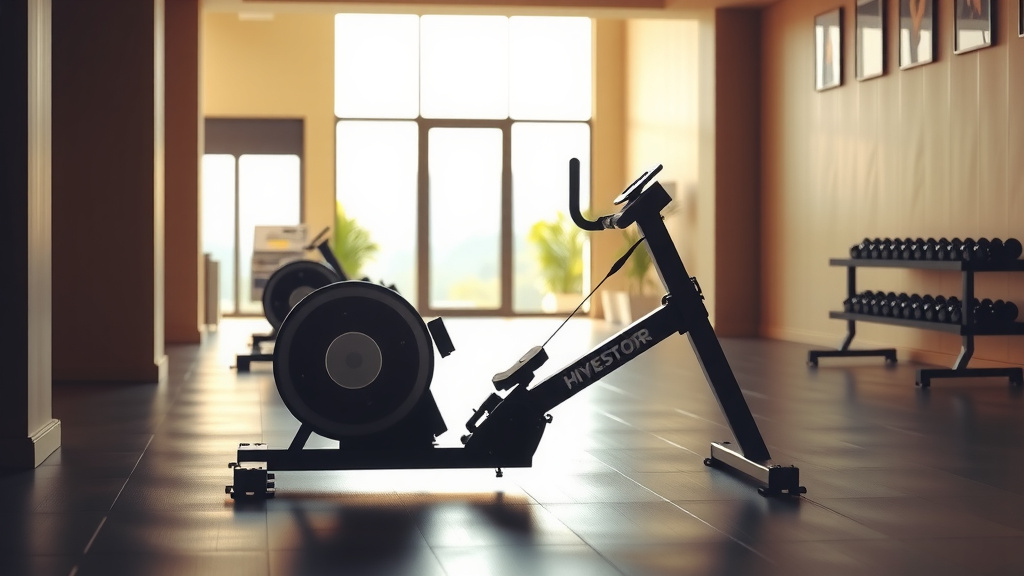
A rowing machine fundamentally changes your body by providing a full-body workout, strengthening major muscle groups, boosting cardiovascular health, and enhancing calorie burn. Regular use of a rowing machine can transform your physique, improving muscle tone, endurance, and overall fitness levels.
TL;DR:
- Get a full-body workout that targets over 85% of your muscles.
- Significantly boost your cardiovascular health and stamina.
- Burn calories effectively for weight management and fat loss.
- Improve muscle tone, strength, and definition across your body.
- Enjoy a low-impact exercise that protects your joints.
How Does A Rowing Machine Change Your Body?
Using a rowing machine consistently sculpts your body by engaging most major muscle groups, while also delivering a powerful cardiovascular workout. You’ll notice changes in your strength, endurance, and overall physical appearance.
Understanding the Full-Body Power of Rowing
Many workouts target specific areas, but rowing is a true full-body experience. It’s like having a gym in one machine, working everything from your legs to your core and arms. We found that rowing engages an impressive array of muscles (American Council on Exercise).
Engaging Your Lower Body
Your legs initiate the powerful drive in each stroke. You’ll feel your **quadriceps, hamstrings, and glutes** working hard to push off the footplate. This consistent action builds strong, lean lower body muscles, giving you more power in daily movements.
Strengthening Your Upper Body
As you pull the handle towards your body, your upper back, shoulders, and arms get to work. Your **lats, rhomboids, biceps, and triceps** all contribute to this pulling motion. Think of it as a dynamic strength builder for your entire upper half.
Core Activation: The Rowing Advantage
Don’t forget your core! It’s the silent hero in rowing, stabilizing your body and transferring power from your legs to your arms. A strong, engaged core means a **more efficient stroke** and a flatter stomach over time.
Heart Health: A Rowing Machine’s Secret Weapon
Beyond muscles, rowing is a fantastic aerobic exercise. It gets your heart pumping and strengthens your entire circulatory system. Think of it as a tune-up for your internal engine.
Boosting Your Cardiovascular Endurance
Regular rowing sessions significantly improve your cardiovascular endurance. This means your heart becomes more efficient at pumping blood, and your lungs can take in more oxygen. You’ll find yourself less winded climbing stairs or running after the bus.
Calorie Burn and Weight Management with Rowing
Want to shed some extra weight? Rowing is an excellent tool. Because it uses so many muscles, it naturally burns a lot of calories. This makes it a **highly effective exercise** for weight management (Mayo Clinic).
How Many Calories Can You Burn?
The exact number varies by your weight, intensity, and duration. However, we found that a typical 30-minute rowing session can burn anywhere from 200 to 400 calories. That’s a solid return for your effort!
Sculpting Your Physique: Muscle Tone and Definition
You won’t become a bodybuilder overnight, but you’ll definitely see changes in your body composition. Rowing helps replace fat with lean muscle, giving you a **firmer, more defined look**. Your clothes might start fitting differently, in a good way.
Beyond Muscle: Bone Density Benefits
Weight-bearing exercise is vital for maintaining strong bones. While rowing isn’t as high-impact as running, it still provides enough resistance to help improve bone density over time. This is a **long-term health benefit** often overlooked.
Mental Benefits: De-stress and Focus
Exercise isn’t just for your body; it’s a powerful tool for your mind. The rhythmic, repetitive motion of rowing can be incredibly meditative. Many people find it helps reduce stress and improves mental clarity.
The Low-Impact Advantage: Protecting Your Joints
Are your knees or hips sensitive? Rowing is an excellent choice. It offers an intense workout without the harsh impact often associated with running or jumping. Your joints will thank you for choosing this **gentle yet powerful** exercise.
Mastering Your Stroke: Proper Form is Key
To maximize your results and avoid injury, proper form is essential. Think of it like a dance; each part flows smoothly into the next. Here’s a quick checklist:
- Start with your shins vertical, arms straight, and core engaged.
- Push off with your legs first, then lean back slightly, then pull with your arms.
- Reverse the order: arms away, then body forward, then legs bend.
- Keep your back straight, chest open, and shoulders relaxed throughout.
- Focus on a smooth, controlled motion, not just speed.
Choosing Your Rowing Machine: A Quick Guide
There are different types of rowing machines, each with unique features. Understanding the differences can help you pick the one that fits your needs best. Think about your budget and how much noise you can tolerate.
| Type | Resistance | Feel | Noise Level |
|---|---|---|---|
| Air Rower | Fan blades | Smooth, responsive | Moderate |
| Water Rower | Water flywheel | Natural, like real rowing | Quiet, soothing swish |
| Magnetic Rower | Magnets | Very smooth, consistent | Very quiet |
| Hydraulic Rower | Hydraulic cylinders | Less smooth, compact | Low |
Getting Started: Your Rowing Journey
Ready to start transforming your body? Here are some simple steps to get you on the right track. Remember, consistency beats intensity every time.
- Begin with short, manageable sessions, maybe 10-15 minutes, three times a week.
- Focus on learning proper form before increasing your speed or resistance.
- Stay hydrated by drinking water before, during, and after your workout.
- Listen to your body; rest when needed to prevent overtraining.
- Mix up your routine with different intervals or longer, steady-state rows to keep it interesting.
Conclusion
A rowing machine is a powerful tool for anyone looking to make significant changes to their body. From building strength and endurance to boosting heart health and aiding weight management, its benefits are wide-ranging. By incorporating rowing into your routine and focusing on good form, you’ll be well on your way to a stronger, healthier, and more energetic you. It’s an investment in your well-being that truly pays off.
FAQ: Is Rowing Good for Losing Belly Fat?
Yes, rowing can be very effective for losing belly fat. It’s a high-calorie-burning exercise that helps reduce overall body fat, including visceral fat around the abdomen. Combine consistent rowing with a balanced diet for the best results.
FAQ: How Long Should I Row to See Results?
You can start feeling more energetic and stronger within a few weeks. Visible changes in body composition, like increased muscle tone and fat loss, typically become noticeable after 4-8 weeks of consistent rowing (3-5 times a week, 20-45 minutes per session).
FAQ: Can Rowing Build Big Muscles?
Rowing will build lean muscle and improve muscle definition, giving you a toned physique. It’s not typically associated with building very large, bulky muscles like heavy weightlifting. It focuses more on endurance and functional strength.
FAQ: Is Rowing Better Than Running?
Neither is inherently “better”; they offer different advantages. Rowing provides a full-body, low-impact workout, engaging more muscle groups. Running is high-impact, excellent for leg strength and cardiovascular health. Choose based on your fitness goals and joint health needs.
FAQ: What are the Common Mistakes in Rowing?
Common mistakes include pulling with your arms too early, hunching your back, not driving powerfully enough with your legs, and letting the chain go slack. Focusing on the correct sequence—legs, then body, then arms—and maintaining a strong core can prevent most issues.