How Much Space Do You Need For A Rowing Machine?
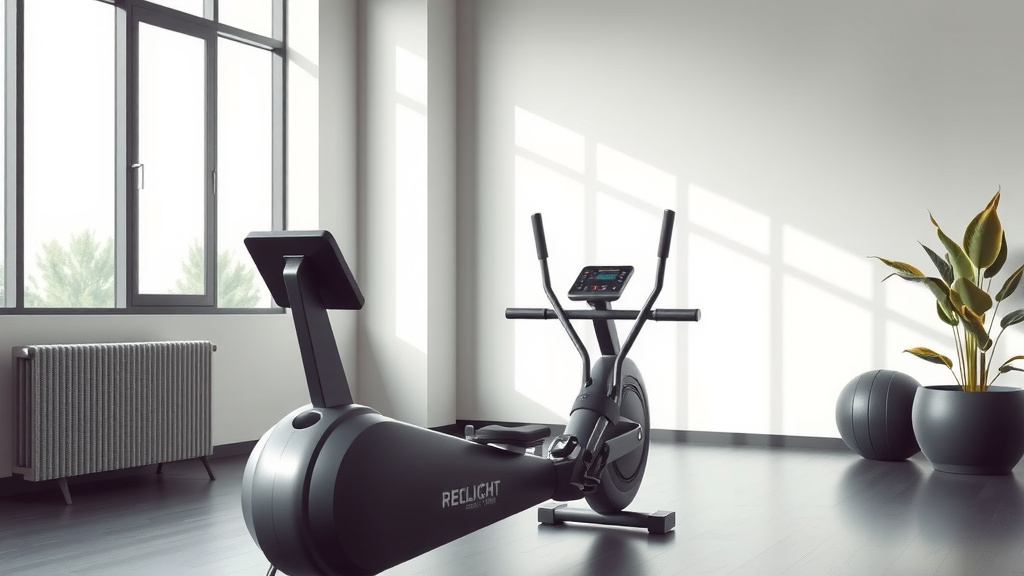
To comfortably use a rowing machine, you generally need an area of about 9 to 10 feet long and 4 feet wide. This allows for your full stroke and enough surrounding space for safety.
Always measure your potential workout zone carefully, as different rowing machine models can have slightly varied dimensions and require extra clearance.
For those short on time, here’s a quick glance at key space considerations for your rowing machine:
- Most rowing machines need a footprint of 9-10 feet long by 4 feet wide during use.
- Add at least one to two feet of extra clearance around all sides for safety and movement.
- Folding models save floor space when stored, often standing upright, but still need the full length during a workout.
- Your personal height and rowing stroke length also impact the needed clearance at the machine’s front and rear.
- Don’t forget room for getting on and off the machine, and for any accessories you might use.
How Much Space Do You Need For A Rowing Machine?
You typically need a space that’s roughly 9 to 10 feet long and about 4 feet wide. This measurement ensures you have enough room for the machine itself and your full range of motion. Think of it as creating your own personal rowing lane.
Why Is Space Such a Big Deal?
Finding the right spot for your rower is more important than you might think. It’s not just about fitting the machine in your room. It’s about safety, comfort, and having an effective workout environment.
A cramped space can mean you hit a wall or furniture during your stroke. This could cause injury or simply make your workout less enjoyable. We found that proper clearance improves overall user experience (American Council on Exercise).
Understanding Rowing Machine Dimensions
Rowing machines aren’t one-size-fits-all. Their lengths can range quite a bit. A standard model, like a Concept2, might be around 8 feet long. Others could be a little shorter or even longer.
The width is usually less variable, often around two feet. But remember, the width needed for your actual workout is wider than the machine itself. Your elbows and knees need room to move freely.
Standard Footprint vs. Workout Zone
The machine’s footprint is just where it sits on the floor. The “workout zone” is the total area you need to use it safely and effectively. This includes the machine plus space for your body’s movement.
Imagine swinging your arms out at the end of a stroke. You wouldn’t want to hit a lamp. This workout zone is the measurement we’re focusing on today.
Considering Your Height and Stroke
Your personal height plays a role in how much space you need. Taller individuals will have a longer stroke length. This means you might need extra clearance at the front and back of the machine.
It’s always a good idea to simulate a full stroke before committing to a spot. Sit on the floor and extend your legs and arms to gauge your personal reach.
Adding Critical Clearance Space
Experts often recommend adding at least 1 to 2 feet of clear space around your rowing machine. This includes the front, back, and sides. This safety buffer is very important.
It prevents accidental bumps and allows you to get on and off the machine easily. Think of it as your personal safety bubble during exercise.
Space Needs for Different Rower Types
Not all rowing machines are built the same when it comes to space. Let’s look at how various types might fit into your home:
- Standard Rowers: These are typically the longest, often around 8 feet. They need a generous dedicated space.
- Folding Rowers: These models can be folded or separated into two pieces for storage. While in use, they still need the full length, but they save a lot of space when idle.
- Compact Rowers: Some manufacturers make shorter models specifically for smaller homes. They might sacrifice some stroke length, which could affect very tall users.
Many experts say to prioritize your comfort during a workout. Choosing a folding model helps if you have limited permanent space (Men’s Health).
Storing Your Rowing Machine
This is where folding rowers shine. Many can be stored upright, dramatically reducing their floor footprint. Imagine standing it up against a wall, like a surfboard.
Even non-folding models can sometimes be tilted up and rolled. Always check the machine’s specifications for its storage dimensions. We found that vertical storage is a game-changer for many apartment dwellers.
Vertical Storage Footprint
When stored vertically, a rower might only need a 2-foot by 2-foot floor space. This is a huge difference compared to its in-use footprint. It’s like having a little closet for your fitness equipment.
Always ensure the machine is stable when stored upright. Many models have wheels to help with moving them around.
Room Layout and Environment Factors
When picking a spot, consider the overall room layout. Do you have enough space to open a door nearby? Will it block a walkway?
Also, think about ventilation. Rowing is a full-body workout, and you’ll get warm. Placing your rower near a window or fan can enhance your experience. A good environment promotes consistent exercise habits (NIH).
Noise Considerations
Rowing machines can make some noise. Air rowers are generally the loudest, while magnetic and water rowers are quieter. Consider who else is in your home and when you’ll be working out.
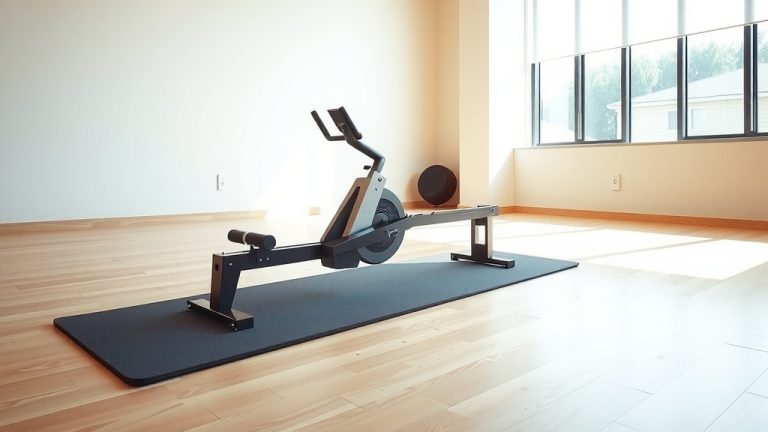
Placing a rower on a mat can help dampen noise and protect your floor. We found that noise levels influence workout times for many users.
Space for Accessories
Do you use a tablet holder for entertainment? A water bottle? A heart rate monitor? These small items also need a spot. Ensure there’s a small table or shelf nearby if you need quick access to them.
Don’t let a tiny accessory make your workout awkward. Plan for these minor additions too.
Your Rowing Machine Space Checklist
Before you commit to a spot, run through this quick checklist:
- Is there enough length for your full stroke (around 9-10 feet)?
- Is there adequate width for your body (at least 4 feet)?
- Do you have 1-2 feet of clearance around all sides?
- Can you easily get on and off the machine?
- Will it block any doors, windows, or walkways?
- Is the area well-ventilated for your workout?
- Have you considered storage space if it folds?
- Is there room for any essential accessories?
Comparing Rower Space Needs
Here’s a quick overview to help you compare the space different types of rowing machines typically demand:
| Rower Type | In-Use Length (approx.) | In-Use Width (approx.) | Storage Style | Storage Footprint (approx.) |
|---|---|---|---|---|
| Standard (e.g., Air Rower) | 8-9 feet | 2-3 feet | Horizontal (or vertical tilt) | 8×2 feet (or 3×2 feet vertical) |
| Folding Magnetic Rower | 7-8 feet | 2-2.5 feet | Vertical | 2×2 feet |
| Water Rower | 7-8 feet | 2-2.5 feet | Vertical | 2.5×2 feet |
| Compact Rower | 6-7 feet | 2 feet | Horizontal (some vertical) | 6×2 feet (or 2×2 feet vertical) |
Conclusion
Choosing the right spot for your rowing machine is a blend of practical measurements and thoughtful planning. You’ll generally need about 9 to 10 feet in length and 4 feet in width for comfortable use. Don’t forget that extra 1-2 feet of clearance for safety. Whether you opt for a standard model or a convenient folding rower, measuring your space beforehand ensures a smooth, safe, and enjoyable workout experience. A little planning goes a long way in creating your perfect home gym setup.
How much space do I need for a Concept2 rower?
For a Concept2 RowErg, you typically need an area about 9 feet long (274 cm) and 2 feet wide (61 cm) for the machine itself. However, to row comfortably and safely, plan for a total workout space of roughly 9-10 feet long and 4 feet wide to accommodate your full stroke and movement.
Can a rowing machine fit in a small apartment?
Yes, a rowing machine can absolutely fit in a small apartment, especially if you choose a folding model. While in use, it will still need its full length, but many rowers can be stored upright, reducing their floor footprint to about 2×2 feet, making them ideal for compact living spaces.
Do I need extra space if I’m tall?
If you are tall, you might need a little extra space. Taller individuals naturally have a longer rowing stroke. This means you’ll want to ensure you have at least an additional foot or so of clearance at the front and back of the machine to prevent hitting walls or furniture during your extended reach.
What is the best way to store a rowing machine to save space?
The best way to store a rowing machine to save space is by utilizing vertical storage. Many models, especially those designed to fold or separate, can be tilted up and stored upright. This significantly reduces the floor area it occupies, often requiring only a small corner of a room.
Does the type of flooring affect space requirements for a rower?
The type of flooring doesn’t directly change the space requirements for the machine’s footprint. However, it can affect comfort and noise. Using a mat under your rower is recommended for all flooring types. This protects your floor, reduces noise, and keeps the machine stable during intense workouts, which indirectly makes your workout area more functional.