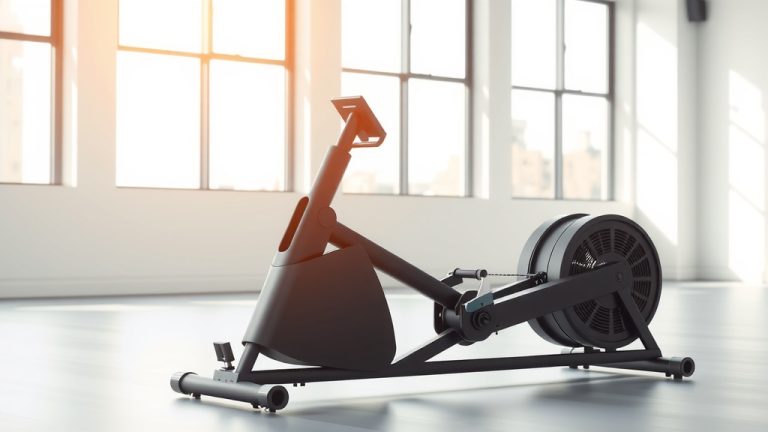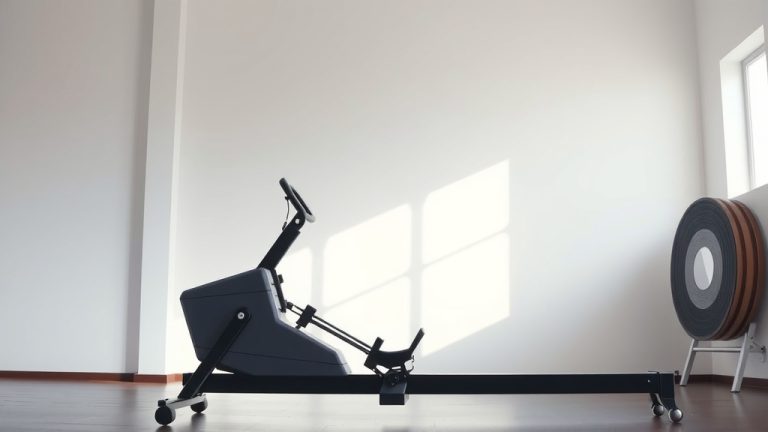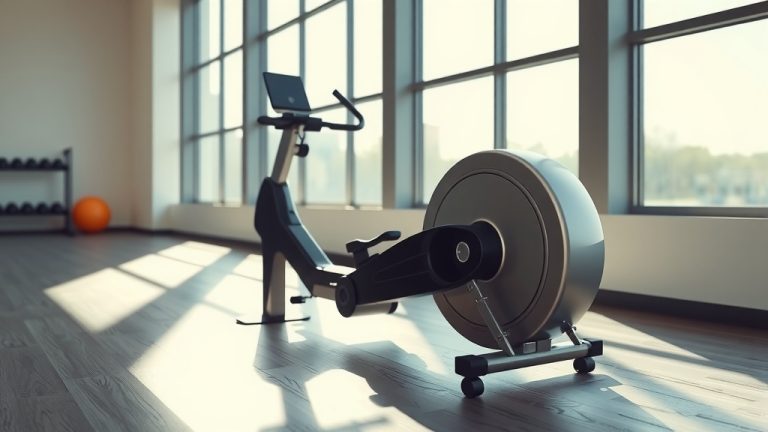
Is Rowing Machine Good For You?
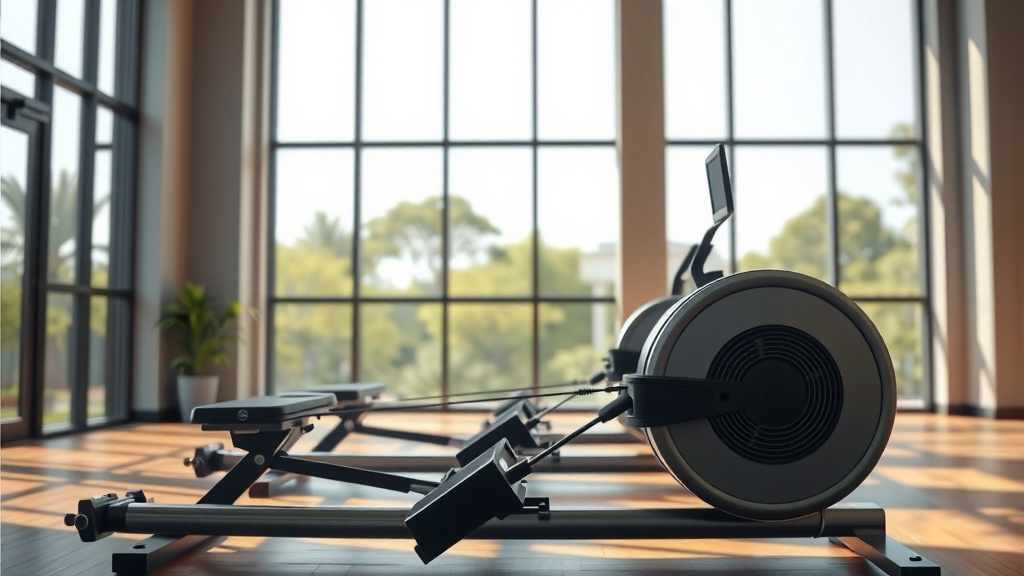
Yes, a rowing machine is an excellent choice for a full-body workout that improves cardiovascular health and builds strength.
It provides a low-impact exercise option, making it good for various fitness levels and helping you burn calories effectively.
- Rowing engages over 85% of your muscles for a comprehensive workout.
- You can significantly boost heart health and stamina with consistent rowing.
- It offers a low-impact alternative, kind to your joints, unlike running.
- Rowing is a powerful tool for burning calories and managing weight.
- It helps you build strength across your legs, core, back, and arms.
Is Rowing Machine Good For You?
Absolutely! A rowing machine offers a remarkable blend of cardiovascular fitness and strength training, all in one smooth, flowing motion. It’s like getting two workouts for the price of one, really.
The Power of a Full-Body Workout
Think of rowing as a symphony for your body. Research shows it activates a massive percentage of your musculature, making it one of the most comprehensive exercises you can do. You’re not just moving your arms; you’re engaging your whole self.
Unlocking Cardiovascular Health Benefits
Your heart is a muscle, and rowing gives it a fantastic workout. Regular sessions can significantly improve your cardiovascular endurance and lung capacity (CDC). You’ll notice everyday tasks feel easier, like climbing stairs or chasing after pets.
Building Strength Without Heavy Lifting
While you won’t bulk up like a bodybuilder, rowing helps you build functional strength. We found that consistent use strengthens your back, core, and legs, which are vital for daily activities and maintaining good posture. It’s about practical power.
A Low-Impact Exercise Solution
Are your joints screaming from high-impact activities? Rowing is your friend. It offers a smooth, fluid motion that puts minimal stress on your knees, hips, and ankles. Many experts suggest it’s ideal for recovery or for individuals with joint sensitivities (Mayo Clinic).
Calorie-Burning Potential
If you’re looking to manage your weight, a rowing machine is a serious contender. It torches calories efficiently because it uses so many muscles simultaneously. A vigorous session can really get your metabolism humming.
What Muscles Does Rowing Work?
Imagine a chain reaction starting from your feet and going all the way up. That’s rowing. It effectively targets your legs (quads, hamstrings, glutes), your core (abs, obliques), your back (lats, rhomboids), and your arms (biceps, triceps).
This coordinated effort makes rowing incredibly effective. You get a balanced workout, avoiding the muscle imbalances that can sometimes occur with isolated exercises. It’s about harmony across your entire body.
Getting Started: Your First Strokes
Jumping on a rowing machine can seem a bit intimidating at first, but it’s simpler than you might think. The key is understanding the basic sequence. Don’t worry about speed initially; focus on smooth movements.
Mastering Proper Rowing Form
Good form is crucial for safety and effectiveness. Think of it in four phases: Catch, Drive, Finish, and Recovery. Always start with a strong leg push, then lean back, and finally pull with your arms. Reverse for recovery.
Many beginners rely too much on their arms. We advise you to let your powerful legs do most of the work. Your back and core support the movement, and your arms finish the stroke. This sequence prevents strain and maximizes benefits.
Choosing the Right Rowing Machine
There are a few types of rowing machines out there, each with a different feel. What’s best for you often comes down to budget, space, and personal preference for resistance.
We found that understanding the differences helps you pick a machine you’ll actually enjoy using. After all, consistency is king in fitness.
| Resistance Type | Feel & Noise | Best For |
|---|---|---|
| Air (Fan) | Smooth, dynamic, louder | Serious training, gym-like feel |
| Magnetic | Quiet, consistent, adjustable | Home use, apartment dwellers |
| Water | Realistic, quiet whoosh, natural | Immersive experience, aesthetics |
| Hydraulic | Compact, budget-friendly, less natural | Small spaces, light workouts |
Common Mistakes to Avoid
Even with great intentions, some common slips can reduce your rowing effectiveness or lead to discomfort. Being aware helps you steer clear of them.
- Hunching Your Back: Keep your back straight, leaning slightly forward from the hips at the catch.
- Arm-Pulling First: Remember, legs drive the movement, then core, then arms.
- Over-Extending: Don’t lean too far back at the finish; keep your core engaged.
- Rushing the Recovery: Take your time on the return, letting your muscles reset.
- Setting Resistance Too High: Start moderate and increase as your strength improves.
Is Rowing For Everyone? A Quick Checklist
While rowing is widely beneficial, consider if it aligns with your specific needs and goals. It’s a versatile option, but knowing if it’s a good fit can help.
- You want a full-body workout without hitting the gym.
- You need a low-impact exercise due to joint concerns.
- Your goal is to improve cardiovascular fitness and stamina.
- You’re looking to burn calories effectively and manage weight.
- You enjoy a rhythmic, almost meditative, exercise experience.
- You have limited space but want a powerful home workout tool.
Conclusion
So, is a rowing machine good for you? Based on its ability to offer a comprehensive, low-impact, calorie-burning workout that strengthens your entire body, the answer is a resounding yes. It’s a highly efficient tool for improving your fitness, regardless of your current level. By focusing on proper form and consistency, you can harness its incredible benefits for a healthier, stronger you.
How long should a beginner row?
For beginners, start with 10-15 minute sessions, 3-4 times a week, focusing on good form over speed or duration. As you build stamina, you can gradually increase your time.
Is rowing better than running for weight loss?
Both are effective for weight loss. Rowing often burns comparable calories while offering a full-body, low-impact workout, which can be an advantage if you have joint issues or prefer varied muscle engagement.
Can rowing build muscle?
Yes, rowing builds lean muscle and improves muscle endurance, especially in your legs, core, back, and arms. It’s not typically for significant bulk but excellent for functional strength.
What are the drawbacks of a rowing machine?
Some drawbacks include the initial cost, the space it requires, and the potential for improper form if you don’t learn the technique. However, the benefits generally outweigh these concerns for most users.
Can I row every day?
You can row most days, especially if you vary intensity. For intense workouts, giving your body a day of rest or active recovery (like light stretching) is wise to help prevent overuse injuries and aid muscle repair.