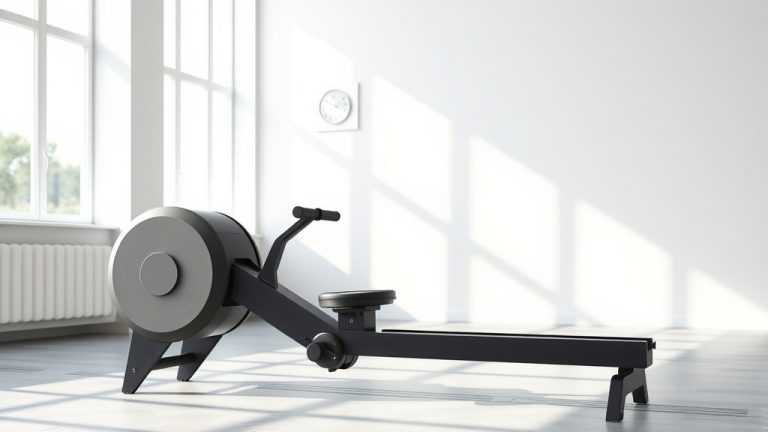
Is Rowing Machine Good For Your Back?
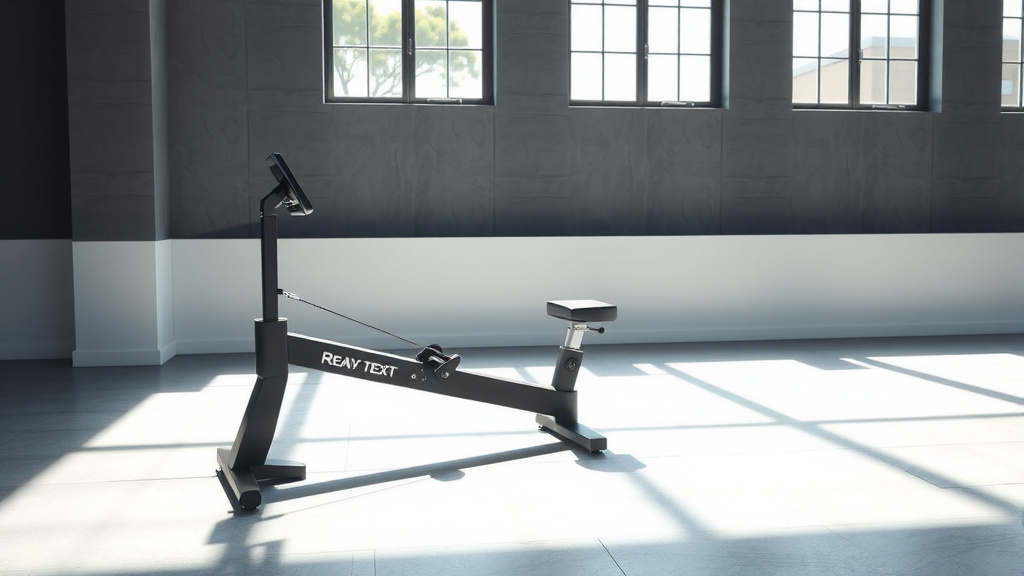
Yes, a rowing machine can be very good for your back, especially when you use it with proper technique. It helps to build strong core muscles and supports your spinal health.
However, poor form during rowing can unfortunately lead to back strain or discomfort. Focus on your technique to gain benefits and avoid issues.
TL;DR: Key Takeaways on Rowing and Your Back
- Rowing machines strengthen your core and back, which is great for posture.
- Good form is non-negotiable; bad form hurts your back.
- It’s a low-impact exercise, gentle on joints, including your spine.
- Many find it helps relieve mild back pain by improving muscle support.
- Always listen to your body and consult a doctor if you have existing back problems.
Is Rowing Machine Good For Your Back?
Rowing machines, when used correctly, can be a fantastic tool for building a stronger back and improving overall spinal health. They engage a wide range of muscles, making it a powerful full-body workout.
Think of it as a movement that supports your back, not one that stresses it. Proper technique is your best friend here, turning a potential risk into a significant benefit.
How Rowing Strengthens Your Back
Rowing works your posterior chain muscles. This includes your glutes, hamstrings, and the powerful muscles in your back like the latissimus dorsi. These muscles are key for maintaining good posture and supporting your spine.
We found that a strong core, which rowing also builds, helps stabilize your entire torso. A stable core means less strain on your lower back during daily activities and other exercises.
Understanding Your Core Connection
Your core isn’t just your abs; it’s a deep network of muscles surrounding your spine. When you row, you pull with your back and legs, but your core holds everything steady. This stabilization means your back muscles learn to work effectively and powerfully.
The Risks: When Rowing Can Hurt Your Back
While rowing offers many benefits, improper form is a common cause of back problems. Many experts say that rounding your back during the drive phase puts undue stress on your lumbar spine. This can lead to pain or injury over time.
Are you leaning back too far at the finish? Or maybe you’re not initiating the movement with your legs? These common mistakes can shift the work inappropriately to your back, creating trouble.
Mastering Proper Rowing Form for Back Health
The secret to a healthy back on the rowing machine lies in your technique. It’s like learning to ride a bike; once you get it, it feels natural. But there are specific steps to follow.
The Catch: Starting Strong
At the catch, your shins should be vertical, not past vertical. Keep your back straight, leaning slightly forward from your hips. Your arms are extended, ready to engage the handle. This position sets up a powerful leg drive, minimizing initial back strain.
The Drive: Power from Your Legs
This is where the magic happens. Push hard with your legs first, like jumping off a wall. As your legs extend, then swing your torso back slightly, and finally, pull the handle to your chest. Remember the sequence: legs, body, arms (Mayo Clinic).
The Finish: Controlled Relaxation
At the finish, your legs are fully extended, your body leans back slightly (about 11 o’clock on a clock face), and the handle is at your lower ribs. Your core should still feel engaged, supporting your posture. It’s a powerful, yet stable, position.
The Recovery: Smooth Return
Reverse the drive sequence: arms, body, legs. Extend your arms first, then swing your body forward from the hips, and finally, bend your knees to slide up the rail. Maintain a straight back throughout the entire recovery to prevent rounding.
Rowing Machine and Existing Back Conditions
If you have a history of back issues, such as a herniated disc or chronic lower back pain, can you still row? The answer is “it depends.” We found that some people with mild conditions find relief through the strengthening benefits, while others might find it aggravates their symptoms.
Always talk to your doctor or a physical therapist before starting any new exercise if you have a back condition. They can help you determine if rowing is safe for you and if any modifications are needed.
Low-Impact Nature: A Friend to Your Joints
One major advantage of rowing is its low-impact nature. Unlike running or jumping, rowing involves smooth, controlled movements with minimal jarring to your joints. This can be a huge plus for those who need to protect their knees, hips, or spine from high-impact stress.
Comparing Rowing to Other Back-Friendly Exercises
How does rowing stack up against other ways to support your back? Let’s look at a quick comparison:
| Exercise Type | Back Support Benefits | Potential Downsides (if any) |
|---|---|---|
| Rowing Machine | Full-body muscle activation, strong core & back, low impact. | Requires good form; bad form can lead to strain. |
| Swimming | Excellent for spinal decompression, non-weight bearing. | Some strokes (butterfly) can strain lower back for beginners. |
| Walking | Improves circulation, gentle strengthening, good for posture. | Less intense muscle strengthening than rowing. |
| Yoga/Pilates | Core strength, flexibility, body awareness, posture. | Can be challenging for severe back pain without modifications. |
Your Checklist for Back-Safe Rowing
Want to make sure your back stays happy during your rowing workout? Here’s a quick checklist:
- Always warm up your muscles before you start rowing.
- Focus on driving with your legs first, not pulling with your back.
- Keep your back straight and core engaged throughout each stroke.
- Avoid leaning too far back or rounding your spine.
- Start with shorter sessions and lower intensity.
- Listen closely to your body; stop if you feel any sharp pain.
Breathing and Mind-Body Connection
Breathing might seem like a small detail, but it makes a big difference. Exhale as you drive back and inhale as you recover. This rhythm helps keep your core engaged and your body supplied with oxygen. A focused mind-body connection helps you feel each movement, ensuring you’re using the right muscles and protecting your back.
Don’t Push Through Pain
This is a golden rule for any exercise, especially with your back. A little muscle soreness is normal after a workout, but sharp or persistent pain is a warning sign. If something hurts, stop immediately. It’s always better to adjust your form or take a break than to risk a more significant injury.
Conclusion
A rowing machine can be a powerful ally for your back health, providing a full-body workout that strengthens your core and the muscles supporting your spine. We found that with correct technique, you can enjoy all the benefits of this low-impact exercise without undue strain.
Remember, your back is important. Take the time to learn proper form, listen to what your body tells you, and consult with a professional if you have any doubts. Rowing offers a path to a stronger, more resilient you, from your legs right up to your shoulders.
FAQs About Rowing and Back Health
What is the best way to prevent lower back pain while rowing?
The best way to prevent lower back pain is to strictly maintain proper form, emphasizing a strong leg drive first, followed by the body swing and then arm pull. Keep your core tight and your back straight, never rounded, throughout the entire stroke cycle.
Can rowing help reduce existing back pain?
For some individuals with mild, non-specific back pain, rowing can help by strengthening the supporting muscles around the spine and improving posture. However, if you have chronic or acute back pain, always consult a healthcare professional before starting or continuing a rowing program.
Should I use a rowing machine if I have a bulging disc?
If you have a bulging disc, using a rowing machine requires careful consideration. The repetitive flexion and extension can potentially aggravate the condition. We strongly advise seeking personalized guidance from your doctor or a physical therapist before using a rowing machine to ensure it’s safe for your specific situation.
How often should I row to strengthen my back without injury?
Start with 2-3 sessions per week, keeping them shorter (15-20 minutes) and at a moderate intensity. As your form improves and your back muscles adapt, you can gradually increase the duration or frequency. Consistency with good form is more important than intense, infrequent workouts.
Are there any modifications for rowing if my back feels sensitive?
Yes, you can make modifications. Try reducing the damper setting to lighten the resistance. Focus on a shorter stroke length, especially reducing how far forward you lean at the catch. You can also prioritize leg-only drives for a period to build leg power before adding full body movement. Always stop if you feel discomfort.