
Is Rowing Machine Good For Back Pain?
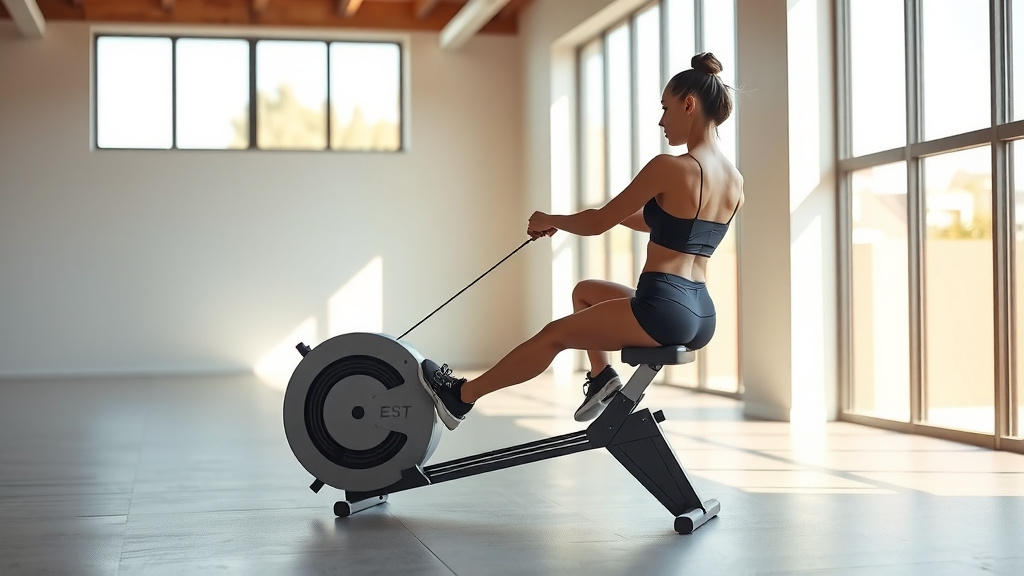
A rowing machine can be good for back pain, but only if you use proper form and your pain is not severe.
Rowing can strengthen core muscles that support your spine, making it a low-impact exercise choice for many individuals.
TL;DR:
- Rowing strengthens your core and back, which can reduce pain.
- Proper form is essential; bad form makes back pain worse.
- Start slowly and gradually increase intensity.
- Consult your doctor if you have severe or chronic back pain.
- It’s a low-impact cardio option, great for overall fitness.
Is Rowing Machine Good For Back Pain?
Yes, a rowing machine can absolutely be beneficial for back pain, especially if you focus on your technique. It’s a full-body workout that engages many muscles, including those crucial for spinal support.
Understanding Your Back Pain First
Before jumping on any exercise machine, it’s wise to understand your specific back pain. Is it a dull ache, a sharp pang, or something chronic? Knowing this helps you choose the right approach (Mayo Clinic).
Many experts say that not all back pain is the same. What helps one person might not help another. Listen to your body always.
How Rowing Can Help Your Back
Rowing is often considered a low-impact exercise. This means it puts less stress on your joints compared to running or jumping. For your back, this can be a real plus.
It strengthens the muscles around your spine and core. Strong core muscles are like a natural corset for your back, offering better support and stability (NIH).
Building Core Strength
A strong core is your back’s best friend. Rowing engages your abdominal muscles, obliques, and lower back. These muscles work together to keep your spine stable.
We found that consistent core work can significantly improve posture and reduce strain on the spine. Think of it as building a strong foundation.
Improving Posture
Many of us spend hours hunched over desks or phones. This poor posture puts extra stress on your back. Rowing helps you practice good posture while you exercise.
Proper rowing form encourages a straight back and engaged core. This can translate into better posture in your daily life, reducing everyday back pain.
The Pitfalls: When Rowing Can Make Back Pain Worse
While rowing offers benefits, it’s not a magic bullet. If you use incorrect form, you could easily worsen your back pain. This is the biggest risk with any exercise.
Imagine bending your back like a C-shape with each stroke. This places immense pressure on your lower spine. It’s like trying to bend a stiff pipe – something will eventually give.
Common Form Mistakes to Avoid
Many people make the same errors when rowing. One big mistake is pulling with just your arms. Your legs should do most of the work, followed by your core and then your arms.
Another common mistake is rounding your lower back at the catch. Keep your spine neutral. Think of your back as a straight line, not a curve.
| Rowing Stage | Good for Back | Bad for Back (Mistake) |
|---|---|---|
| Catch (start) | Shoulders relaxed, shins vertical, core engaged, back straight. | Rounded lower back, reaching too far forward. |
| Drive (push) | Legs push first, then body leans back, then arms pull. | Pulling with arms only, jerking back, no leg power. |
| Finish (end) | Legs extended, core braced, slight lean back, handle at ribs. | Over-leaning, hyper-extending the back. |
| Recovery (return) | Arms extend, then body leans forward, then legs bend. | Rushing forward, rounding back too early. |
When to Talk to Your Doctor
If your back pain is severe, constant, or accompanied by numbness/tingling, stop exercising and see a doctor. This isn’t just about rowing; it’s about your health.
A doctor can help diagnose the cause of your pain. They can also give you clearance to exercise or suggest specific modifications. Always prioritize your well-being.
Starting Your Rowing Journey Safely
Ready to try rowing for your back? Great! But let’s start smart. Don’t go all out on your first day. Think of it like building a house, brick by brick.
Many people find that starting with shorter sessions and focusing on form is key. Quality over quantity, always.
Tips for Beginners with Back Pain
- Warm-up Properly: A few minutes of light cardio and dynamic stretches prepare your body.
- Focus on Form: Watch videos, use a mirror, or ask a trainer for feedback.
- Start Slow: Keep the resistance low and the strokes per minute (SPM) gentle.
- Listen to Your Body: If something hurts, stop. Pushing through pain can cause more harm.
- Increase Gradually: Slowly add duration or intensity as your strength improves.
Modifying Your Rowing Technique for Back Comfort
You can adjust your rowing to be even gentler on your back. Small changes can make a big difference. It’s about finding what feels right for you.
Using Less Resistance
Higher resistance means more effort, which can tempt you to use your back instead of your legs. Try lower resistance settings to focus purely on technique.
This allows your muscles to learn the correct movement patterns without straining. You’re building muscle memory, not just muscle size.
Shortening Your Stroke
You don’t need a super long stroke to get a good workout. A shorter, controlled stroke reduces the range of motion for your lower back. This means less risk of over-extension.
Concentrate on the core phases of the drive and recovery. You can still get an effective workout while being kind to your back.
The Importance of a Balanced Fitness Routine
Rowing is fantastic, but it’s part of a bigger picture. A balanced routine gives you the best results for overall health and pain management. Don’t put all your eggs in one basket.
We found that combining strength training, flexibility, and cardio often yields the best outcomes for back health. It’s like a symphony where every instrument plays its part.
Complementary Exercises for Back Health
Consider adding exercises like planks, bird-dog, or cat-cow stretches. These movements directly support spinal stability and flexibility.
Yoga and Pilates are also excellent options. They emphasize core strength, body awareness, and gentle movement. Many experts say they are very beneficial for back pain.
Your Checklist for Pain-Free Rowing
- Always perform a warm-up.
- Maintain a straight, neutral spine.
- Initiate the drive with your legs.
- Engage your core throughout the stroke.
- Breathe steadily and deeply.
- Stop immediately if you feel sharp pain.
Conclusion
So, is a rowing machine good for back pain? Yes, it absolutely can be a powerful tool for strengthening your core and improving back health. However, its effectiveness hinges entirely on your commitment to proper form and listening to your body.
Remember, it’s not just about getting on the machine; it’s about how you use it. When done correctly, rowing offers a fantastic, low-impact workout that can contribute significantly to a stronger, healthier back. If in doubt, always consult a healthcare professional. Your back will thank you!
Frequently Asked Questions
Is rowing a full-body workout that helps with back pain?
Yes, rowing is considered a full-body workout, engaging about 85% of your muscles. By strengthening your legs, core, and back muscles, it creates better support for your spine, potentially alleviating certain types of back pain.
Can I row if I have a bulging disc?
It depends on the severity and location of the bulging disc. For some, gentle, controlled rowing with perfect form might be possible and even helpful. However, it’s crucial to consult your doctor or a physical therapist before trying rowing if you have a bulging disc, as improper movement could worsen the condition.
How long should I row to help my back pain?
Start with short sessions, perhaps 10-15 minutes, focusing purely on form and comfort. As your strength and endurance improve, you can gradually increase the duration. Consistency is more important than length when it comes to managing back pain through exercise.
What kind of rowing machine is best for bad backs?
Air or magnetic resistance rowers often provide a smoother, more consistent stroke, which can be gentler on the back than water or hydraulic rowers, especially for beginners. The key is finding a machine that allows you to maintain good form comfortably and consistently.
Are there specific stretches I should do before or after rowing for back pain?
Yes, dynamic stretches like cat-cow, pelvic tilts, and gentle torso twists can warm up your spine before rowing. Afterward, static stretches like knee-to-chest, seated spinal twists, and hamstring stretches can help cool down and maintain flexibility, further supporting your back health.
