Is Rowing Machine Good For Lower Back Pain?
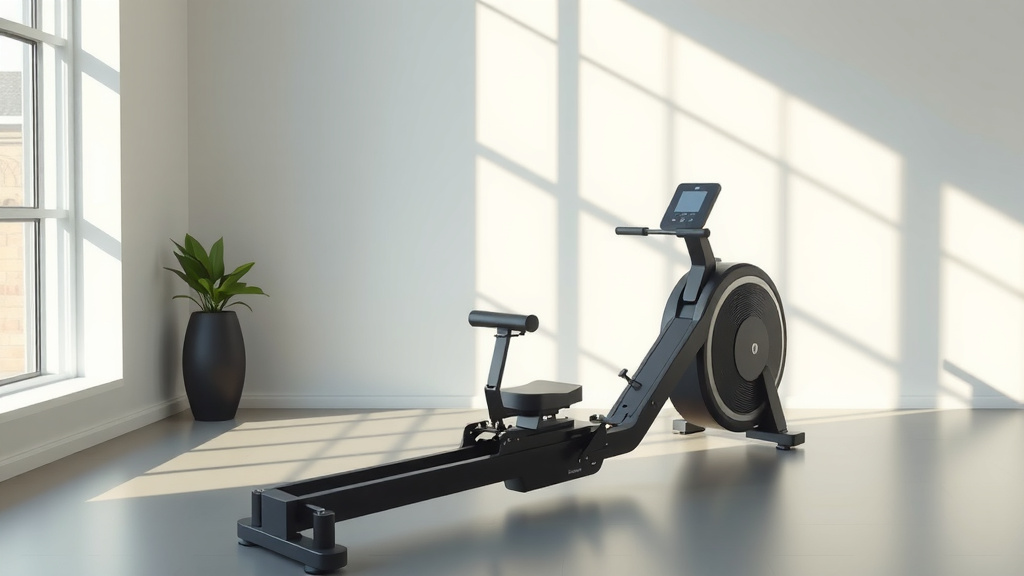
Yes, a rowing machine can be good for lower back pain, but only when you use it with proper form and careful technique.
Rowing strengthens core muscles and improves posture, which can help alleviate lower back issues, yet incorrect use can make pain worse.
- Rowing can strengthen core muscles and glutes, which supports your lower back.
- Good posture during rowing corrects muscle imbalances often linked to back pain.
- Always prioritize proper technique to avoid straining your back.
- Start slowly and listen to your body; stop if you feel any sharp pain.
- Consult a doctor before starting if you have severe or chronic back issues.
Is Rowing Machine Good For Lower Back Pain?
Yes, a rowing machine can be a helpful tool for managing and even improving lower back pain, but it is not a magic cure. The key to making rowing beneficial for your back lies entirely in your technique. When done right, rowing offers a full-body workout that can strengthen key muscles supporting your spine. Many experts say that proper movement patterns are vital (Mayo Clinic).
How Rowing Helps Your Back
Rowing works many muscle groups together. This includes your legs, core, and upper body. It is a fantastic full-body workout. For your back, specific muscle groups get a real boost.
Building a Strong Core
Your core muscles act like a natural corset for your spine. A strong core, including your abdominals and obliques, provides stability. We found that a stronger core reduces the load on your lower back during daily activities.
Strengthening Glutes and Hamstrings
The powerful leg drive in rowing heavily engages your glutes and hamstrings. These muscles are often weak in people with back pain. Strengthening them can help take pressure off your lower back. Research often connects stronger glutes with better spinal health (NIH).
Improving Posture and Alignment
Many back issues come from poor posture, like slouching at a desk. Rowing, when done correctly, encourages an upright posture. It trains your body to move in a balanced way. This can correct imbalances that often contribute to discomfort.
The Pitfall: Bad Form Can Worsen Pain
While rowing offers many benefits, improper form can easily turn it into a pain-causing activity. Think of it like lifting a heavy box. If you bend your back instead of your knees, you risk injury. The same goes for rowing.
Common Mistakes to Avoid
One major mistake is rounding your lower back, especially during the “catch” phase. This puts harmful pressure on your spinal discs. Another is “over-extending” at the finish, leaning too far back. This can also strain your lumbar region.
Relying Too Much on Your Back
Some people try to pull the handle mostly with their arms and back. This bypasses the powerful leg drive. Your legs should do most of the work. Over-reliance on your back can lead to muscle fatigue and pain.
Mastering Proper Rowing Form for Back Health
To make rowing your back’s friend, not its foe, focus on excellent form. It feels awkward at first, but practice makes it second nature. Many guidelines point to proper technique as a good first step (Cleveland Clinic).
Checklist for Good Rowing Form:
- Set up correctly: Adjust foot straps so the strap goes over the widest part of your foot.
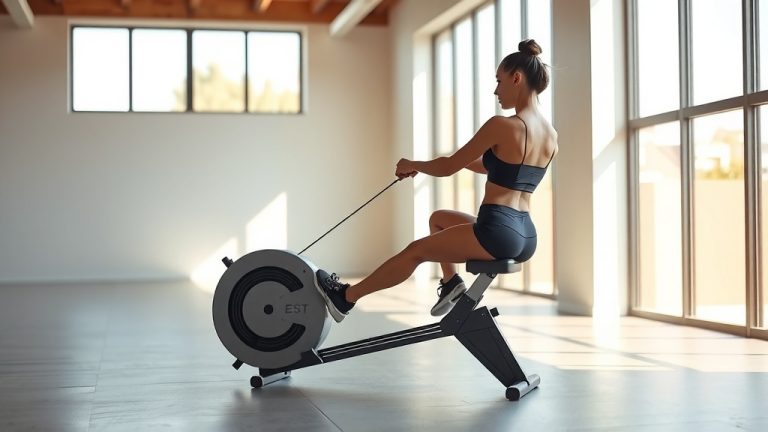
- The Catch: Lean slightly forward from your hips, shins vertical, arms straight, core engaged.
- The Drive: Push powerfully with your legs first, then swing your back open, then pull with your arms.
- The Finish: Lean slightly back, core firm, handle to your lower ribs, legs fully extended.
- The Recovery: Extend arms first, then lean forward from hips, then bend knees to return to catch.
- Keep Your Back Flat: Maintain a natural curve in your lower back throughout the stroke; do not round it.
When to Be Cautious or Avoid Rowing
Rowing is not for everyone, especially if you have certain back conditions. If you have acute, sharp back pain, it is best to avoid rowing. It could make the problem worse.
Conditions Requiring Extra Care:
If you have conditions like a herniated disc, sciatica, or spinal stenosis, talk to your doctor first. They can advise if rowing is suitable. Sometimes, certain movements might be risky for your specific condition.
Starting Your Rowing Journey with Back Pain
If you have a history of lower back pain, start slowly. Do not jump into long, intense workouts. Gradual progression is key. We found that short, frequent sessions are better than infrequent, long ones when starting out.
Tips for a Gentle Start:
- Begin with 10-15 minute sessions, focusing purely on form.
- Keep the resistance low. It is about technique, not power, at first.
- Warm up properly with gentle stretches before and cool down after.
- Listen to your body. If you feel pain, stop immediately.
Table: Rowing for Lower Back Pain – Pros and Cons
| Benefit (Pros) | Risk (Cons) |
|---|---|
| Strengthens core and glutes | Incorrect form can worsen pain |
| Improves posture and body alignment | May not suit all back conditions |
| Low-impact cardio workout | Requires consistent focus on technique |
| Enhances spinal stability | Can strain back if leg drive is weak |
| Accessible to many fitness levels | Needs gradual progression for safety |
Complementary Exercises for Back Health
While rowing is beneficial, combining it with other exercises can further support your back. Activities that build flexibility and strengthen core stability are great companions.
Gentle Stretching and Yoga
Yoga and specific stretches can improve spinal flexibility and muscle suppleness. This helps prevent stiffness that contributes to back pain. Many experts suggest a mix of strengthening and stretching.
Planks and Bird-Dogs
These core exercises specifically target the deep stabilizing muscles of your spine. They do not involve spinal movement, making them safe for many people with back concerns. Research supports these types of static core holds (NCBI).
When to Consult a Professional
Do not ignore persistent pain. If you experience sharp, shooting pain, numbness, or weakness, stop rowing and see a doctor. This is especially true if the pain travels down your leg. Your health is the top priority.
Conclusion
A rowing machine can be an excellent addition to your fitness routine if you are dealing with lower back pain. It has the potential to strengthen vital supporting muscles, improve posture, and provide a great workout. However, its effectiveness, and safety, hinge entirely on your commitment to proper form. Treat the rowing machine with respect, learn the technique, and listen to your body. When used wisely, it can certainly be good for your lower back, helping you build strength and move with greater ease.
Is rowing a good option if I have chronic lower back pain?
If you have chronic lower back pain, it is important to speak with your doctor or a physical therapist before starting any new exercise, including rowing. They can assess your specific condition and advise if rowing is safe for you, or if modifications are needed.
Can rowing strengthen my lower back directly?
Rowing strengthens the muscles that support your lower back, such as your core, glutes, and hamstrings, rather than directly working the lower back itself. This indirect strengthening helps to stabilize your spine and take pressure off the lower back muscles.
What is the most important form cue for protecting my back while rowing?
The most important form cue for protecting your back while rowing is to maintain a flat or naturally curved lower back throughout the entire stroke. Avoid rounding your lower back, especially at the catch, and do not over-lean back at the finish.
How can I tell if my rowing form is causing back pain?
If your lower back hurts during or after rowing, it is a strong indicator that your form needs adjustment. Sharp, localized pain, or pain that worsens with each stroke, means you should stop and review your technique or consult a professional.
Should I use a lower resistance setting if I have back pain?
Yes, starting with a lower resistance setting is often advisable if you have back pain. This allows you to focus on mastering proper form without over-straining your muscles. You can gradually increase resistance as your strength and technique improve.