
How Does A Rowing Machine Work Mechanically?
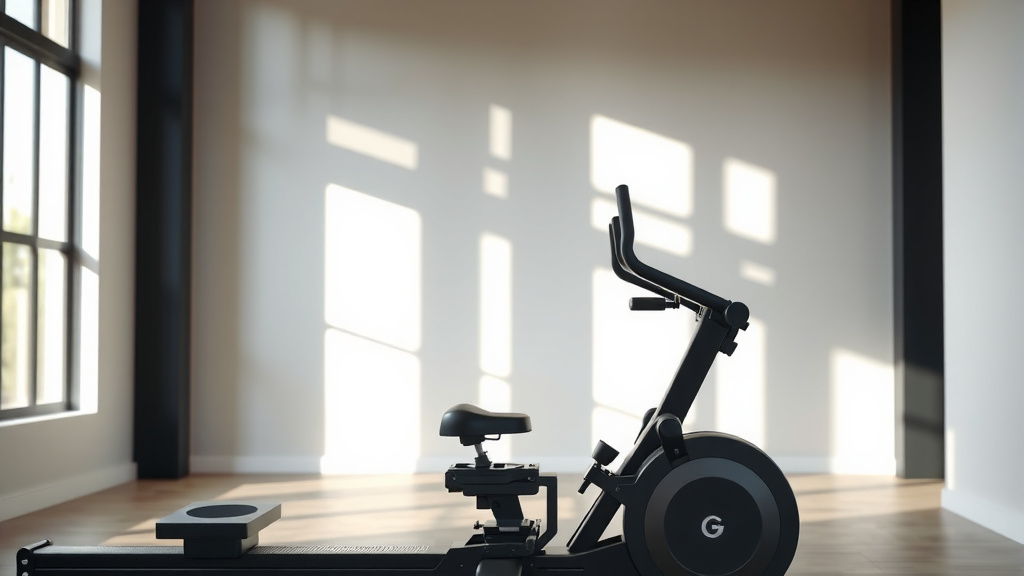
A rowing machine works mechanically by using a resistance system, a drive system, and a monitoring console to simulate rowing on water. When you pull the handle, it engages a flywheel or piston that generates resistance, creating a full-body workout.
The primary mechanical goal of any rowing machine is to convert your pulling and leg-driving effort into a smooth, challenging resistance, providing an effective exercise experience.
- Rowing machines transform your physical effort into resistance using air, water, magnetic, or hydraulic systems.
- Each type of resistance offers a different feel and sound, affecting your workout experience.
- Key components like the seat, handle, footrests, and monitor work together for a complete stroke.
- Understanding these mechanics helps you choose a rower that fits your fitness goals and preferences.
How Does A Rowing Machine Work Mechanically?
A rowing machine mechanically creates a resistance force that mimics the drag of oars through water. This resistance challenges your muscles as you perform the rowing stroke.
The Core Idea Behind Every Rower
At its heart, every rowing machine takes your human power and makes you work against something. You push off with your legs, pull with your arms, and a **central mechanism** provides the challenge. It’s a clever way to turn a simple action into a full-body exercise.
The machine then measures your effort, showing you how far you’ve “rowed” or how many calories you’ve burned. This feedback can be a **great motivator** during your workout.
Dive Deeper: Different Resistance Types
The type of resistance is what gives each rower its unique feel. Think of it like choosing different gears on a bike. Each has pros and cons for your workout.
Air Resistance Rowers: The Fan Favorite
Air rowers use a spinning flywheel with fan blades. When you pull the handle, the fan rotates, pushing air. The faster you pull, the more air resistance you create, making it feel **very responsive**. It’s often praised for feeling smooth and natural, much like rowing on water (Mayo Clinic).
These machines are popular in gyms and competitive settings. We found that many athletes prefer them for their **scalable resistance** and consistent performance.
Water Resistance Rowers: The Smooth Glide
Imagine rowing on a lake – that’s the feeling a water rower aims for. It uses a flywheel that spins in a tank of water. The resistance increases with your effort, just like a real boat in water. Many experts say this gives the **most authentic rowing sensation**.
The sound of sloshing water is also quite soothing for some users. We found that users often describe these machines as providing a **fluid and even stroke**.
Magnetic Resistance Rowers: Quiet and Consistent
Magnetic rowers use magnets and a flywheel to create resistance without friction. You usually adjust the resistance level with a dial or buttons, which moves the magnets closer or further from the flywheel. This makes them **very quiet to operate**.
This type offers a consistent resistance level that you set beforehand. Research often highlights their **low maintenance needs** and suitability for home use (NIH).
Hydraulic Resistance Rowers: Compact and Simple
Hydraulic rowers use pistons filled with fluid, similar to the shock absorbers on a car. You typically push and pull two separate handles. They are often smaller and more budget-friendly. This design means they sometimes don’t mimic the full **rowing stroke motion** as closely.
We found these rowers are good for users with limited space. They provide a decent workout but might not offer the **same full-body engagement** as other types.
Essential Components Beyond Resistance
While resistance is key, other parts work together to complete the rowing experience. Each component has a **specific job** in the mechanical process.
Here’s a look at the other important parts:
- The Seat and Rail: This allows your body to slide smoothly back and forth, engaging your legs.
- The Handle and Chain/Strap: This is your direct connection to the resistance mechanism, where you transmit your pulling power.
- The Footrests: These secure your feet, providing a stable platform to push off from during the drive phase.
- The Monitor: It tracks your performance metrics like distance, time, and calories, giving you **helpful workout feedback**.
- The Flywheel (for air/water/magnetic): This is the main rotating component that generates or interacts with the resistance.
Comparing Rower Resistance Mechanisms
Choosing the right rower often comes down to understanding these differences. Here’s a quick comparison:
| Resistance Type | How it Works | Feel and Noise | Common Use |
|---|---|---|---|
| Air | Fan blades spinning against air | Smooth, responsive; moderate noise (whooshing) | Gyms, serious training, home use |
| Water | Flywheel moving through water | Natural, even; soothing water sound | Home use, authentic feel focus |
| Magnetic | Magnets acting on a flywheel | Consistent, quiet; no friction sound | Home use, quiet environments |
| Hydraulic | Pistons compressing fluid | Adjustable, sometimes less fluid; minimal noise | Space-saving, budget-friendly home use |
The Rowing Stroke: A Mechanical Dance
The beauty of a rower’s mechanics is how it supports your entire body through the stroke. This cycle has distinct phases where different parts of the machine are engaged.
First, the “catch” involves sitting ready. Then the “drive” is where your legs push, followed by your body swinging back and arms pulling. Finally, the “recovery” brings you back to the start, a **smooth, controlled return** (American Council on Exercise).
Putting It All Together: The User Experience
Understanding these mechanical parts helps you appreciate your workout. When you push hard with your legs, the resistance system responds, making you work harder. The sliding seat moves with you, supporting your body’s motion.
It’s all designed to mimic the fluid, powerful motion of rowing a boat. This makes your workout not just about fitness, but also about **connecting with the machine’s design**.
Checklist for Understanding Rower Mechanics
When you look at a rowing machine, keep these mechanical aspects in mind:
- Does the resistance feel smooth and consistent?
- How easy is it to adjust the resistance level?
- Does the seat slide quietly and without sticking?
- Is the chain or strap strong and running freely?
- Are the footrests secure and adjustable for your shoes?
Conclusion
A rowing machine is a marvel of simple engineering, turning your effort into effective resistance for a full-body workout. Whether it’s the roar of an air fan, the swish of water, the silent magnetic pull, or the piston’s resistance, each type offers a **distinct mechanical experience**. Knowing how these machines work empowers you to choose the best one for your fitness journey. It helps you understand what makes a rowing workout so engaging and effective.
How do I maintain the mechanics of my rowing machine?
To keep your rowing machine running smoothly, regularly clean the rail, especially on air and magnetic rowers, to prevent dust buildup. Check the chain or strap for wear and lubricate it if needed, as recommended by the manufacturer. For water rowers, you might need to add purification tablets occasionally to the water tank.
Does the size of the flywheel affect resistance mechanics?
Yes, for air and magnetic rowers, a larger flywheel generally means more inertia and can offer a smoother, more consistent feel, especially at higher speeds. It can also help create a more immediate and sustained resistance response as you row.
Are there mechanical differences in folding vs. non-folding rowers?
Mechanically, the core resistance and drive systems are the same. The main difference lies in the frame design. Folding rowers have a hinged rail or frame section that allows them to be stored compactly. This hinge mechanism is designed for convenience without affecting the rowing action itself when the machine is in use.
What causes a rowing machine to feel “jerky”?
A jerky feel often points to an issue with the sliding mechanism or the resistance system. On rail-based rowers, it could be dirt or damage on the seat wheels or the rail itself. For magnetic rowers, sometimes an inconsistent magnet-flywheel interaction can cause jerks. Regular cleaning and inspection of moving parts can help prevent this.
How does a rowing machine measure my workout performance?
Most rowing machines measure performance using sensors that track the flywheel’s rotation, the handle’s movement, or sometimes pressure exerted. This data is then processed by the monitor to calculate metrics like distance (simulated), strokes per minute, power output, and estimated calories burned. It’s all about converting mechanical actions into digital readouts.
