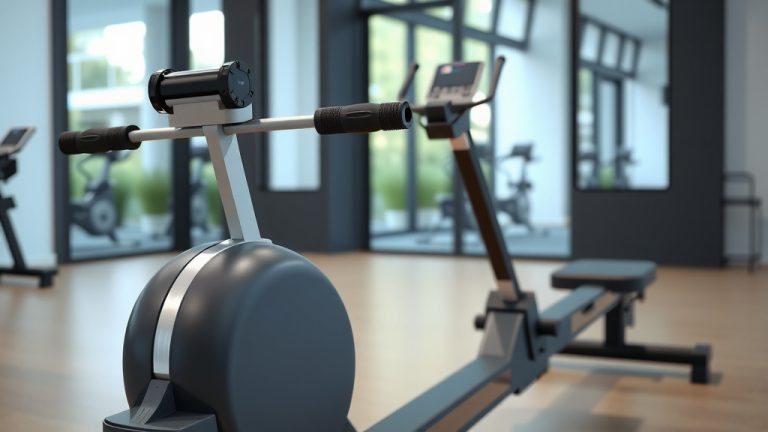
Do I Need A Mat For Rowing Machine?
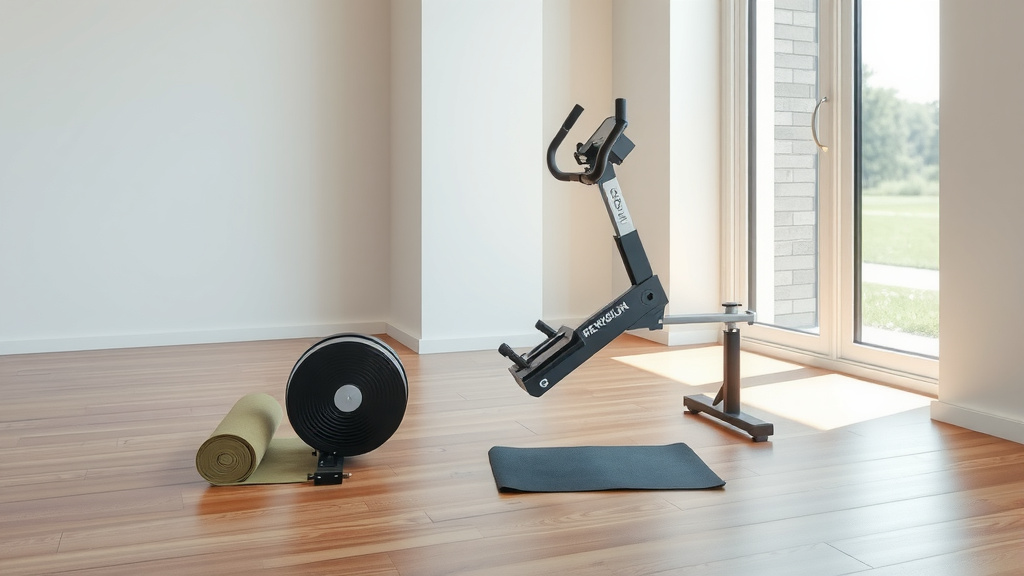
Yes, you generally need a mat for your rowing machine to protect your floors from scratches and dents, reduce noise, and provide a stable, non-slip base during your workout.
A good quality rowing machine mat also helps absorb vibrations, extending the lifespan of your machine and creating a more comfortable exercise experience.
- Protect your floors from damage like scratches, dents, and sweat.
- Reduce noise and vibrations for a quieter workout experience.
- Improve stability, preventing your rowing machine from shifting during intense sessions.
- Extend the life of your machine by cushioning it from impact.
- A small investment that offers big peace of mind for home fitness enthusiasts.
Do I Need A Mat For Rowing Machine?
Most home rowers find a mat to be a very helpful accessory. It creates a dedicated space for your machine and offers many practical benefits.
Think of it as adding a layer of protection and comfort, not just for your machine, but for your home environment too. It’s about making your rowing experience better all around.
Why a Mat is Your Rowing Machine’s Best Friend
Imagine pushing off with powerful strokes. Your rowing machine has wheels and a solid frame. Without a mat, that friction and movement interact directly with your floor. Not ideal, right?
A mat acts as a buffer. We found it’s like putting a soft, strong landing pad under your entire fitness routine.
Protect Your Precious Floors
Your rowing machine has moving parts and can be quite heavy. Over time, those little movements can scratch wooden floors or leave indentations on carpets.
Sweat is another factor. We all perspire during a good workout, and a mat catches those drips, keeping your floor clean and dry. It’s like having a dedicated sweat shield (Cleveland Clinic).
Silence the Rumble, Absorb the Shock
Rowing machines, especially magnetic or air resistance models, can generate some noise and vibration. This is normal.
A mat works as a sound dampener. It absorbs vibrations and reduces the overall noise level, which is a blessing for anyone else in your home or neighbors below you.
Stability: Your Anchor for Every Stroke
You want your rowing machine to stay exactly where you put it. A mat provides a non-slip surface, preventing your machine from “walking” across the room during intense sprints.
This stability means you can focus entirely on your form and power, without worrying about accidental shifts. Research shows that stable equipment leads to safer workouts (NIH).
What Kind of Mat Should You Look For?
Not all mats are created equal. Just like choosing a good pair of running shoes, selecting the right mat involves a few considerations. You want something durable and effective.
Think about where your machine will live and how often you plan to use it. These factors will guide your choice.
Material Matters: PVC vs. Rubber
Most mats are made from either PVC or rubber. PVC mats are often lighter and more affordable, great for casual use.
Rubber mats, on the other hand, are typically denser and more durable. They offer superior grip and cushioning, ideal for frequent, high-intensity rowing sessions.
Size It Up: Measure Twice, Buy Once
You need a mat that’s larger than the footprint of your rowing machine. Allow for extra length where your feet are and where the seat slides back.
It’s always better to have a mat that’s a bit too big than one that’s too small. We found that most people prefer mats that extend slightly beyond the machine’s base.
Thickness: Not Just for Looks
Thicker mats offer better shock absorption and noise reduction. They also provide more cushioning for your floor.
A mat that’s too thin might not offer enough protection or stability. A good general guideline is a mat that’s at least 4-6mm thick for solid performance.
Comparing Mat Types: A Quick Look
Let’s quickly compare common mat options so you can pick the best fit for your rowing setup.
Consider your budget, floor type, and how much you plan to row each week.
| Feature | PVC Mat | Rubber Mat |
|---|---|---|
| Price | More budget-friendly | Generally higher cost |
| Durability | Good for moderate use | Very high, lasts longer |
| Grip | Decent, can slip slightly | Excellent, very non-slip |
| Shock Absorption | Moderate | Superior, minimizes vibration |
| Odor | Minimal new product smell | Can have a strong rubber smell initially |
When You Might Skip the Mat (Rarely Recommended!)
Are there times you don’t need a mat? Maybe, but it’s not common. If your rowing machine sits on a very thick, industrial gym mat already, you might be covered.
Or if you have a dedicated gym floor with heavy-duty rubber tiling (like in a commercial gym), a mat might be redundant. For most home setups, though, it’s a wise addition.
Maximizing Your Mat’s Lifespan
Even the toughest mat needs a little love to perform its best. Regular cleaning keeps it hygienic and looking good. Wipe it down after each use.
Many experts say to use a mild soap and water solution (Mayo Clinic). Avoid harsh chemicals that could degrade the material. Rotate your machine occasionally to distribute wear evenly.
Is a Mat Really Worth the Investment?
You might wonder if adding another expense is truly necessary. Think of it this way: a mat protects your more expensive rowing machine and your home.
It’s like buying a screen protector for your phone; a small cost for significant peace of mind. Many users consider it an essential part of their setup.
- Floor protection? Yes!
- Noise reduction? Definitely!
- Increased stability? Absolutely!
- Machine longevity? Boosted!
- Enhanced workout comfort? For sure!
- Peace of mind? Priceless.
Conclusion
Ultimately, a mat for your rowing machine is more than just an accessory; it’s a foundational piece for a better home workout experience. It protects your floors, quiets your workout, and stabilizes your machine, letting you focus on your fitness goals.
While you technically can row without one, the benefits of using a mat far outweigh the small initial cost. We found it’s a smart investment that enhances comfort, safety, and the longevity of your rowing setup. So, go ahead and treat your machine – and your home – to the mat it deserves.
Does a rowing machine mat help with noise?
Yes, absolutely. A good quality mat helps to absorb vibrations and dampen the sounds produced by your rowing machine, making your workout much quieter for everyone in the house.
Can a mat prevent my rowing machine from slipping?
A primary function of a rowing machine mat is to provide a non-slip surface. This prevents your machine from shifting or “walking” across the floor, especially during more vigorous rowing sessions, keeping you stable and safe.
What thickness is best for a rowing machine mat?
For optimal protection and vibration absorption, a mat thickness between 4mm and 6mm is generally recommended. Thicker mats offer better cushioning for your floors and superior noise reduction.
Are rowing machine mats universal, or do they fit specific models?
Most rowing machine mats are universal in design, meaning they’re long and wide enough to accommodate the footprint of most standard rowers. Always measure your specific machine’s dimensions to ensure a proper fit before purchasing a mat.
How do I clean my rowing machine mat?
Cleaning your mat is simple. Most mats can be wiped down with a damp cloth and a mild soap-and-water solution. Allow it to air dry completely before placing your machine back on it to maintain hygiene and mat integrity.