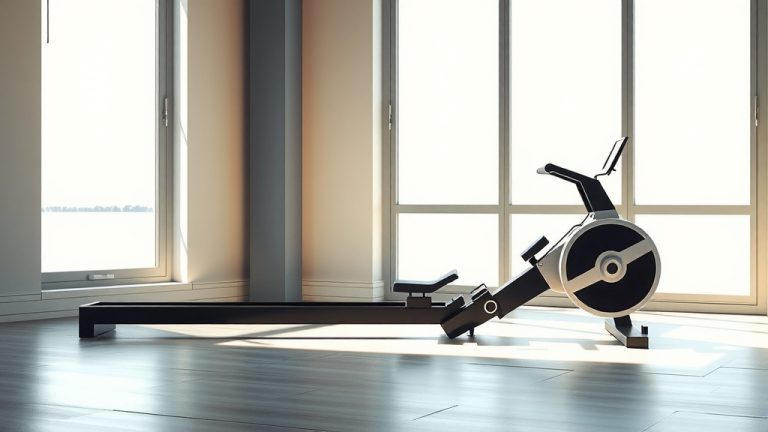
Does Rowing Machine Improve Posture?
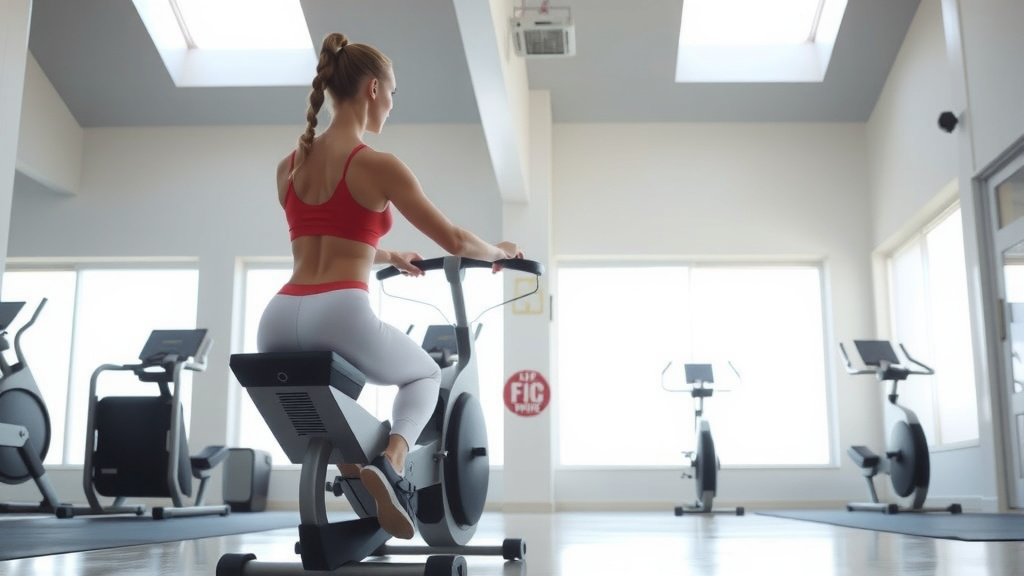
Yes, a rowing machine can significantly improve your posture by strengthening core muscles and promoting better spinal alignment when used with proper technique.
Regular rowing targets key muscle groups in your back, core, and shoulders, helping to counteract the slouching often caused by daily activities like extended sitting.
- Rowing actively strengthens your back and core, which are essential for good posture.
- Correct rowing form teaches you to engage the right muscles for a tall, stable spine.
- It helps reverse poor posture habits often linked to extended sitting.
- You will build a stronger posterior chain, supporting a healthier upright position.
- Consistent use can lead to lasting improvements in how you stand and sit.
Does Rowing Machine Improve Posture?
Yes, absolutely! Rowing machines are excellent for strengthening the muscles that directly support and improve your posture. They help you stand taller and sit straighter.
Why Your Posture Matters More Than You Think
Have you ever noticed how a slouch affects your mood? Good posture isn’t just about looking confident. It helps your body function better, reduces pain, and even boosts your breathing.
Many experts point to the link between posture and overall well-being (Mayo Clinic). When you stand tall, your organs have space, and your joints are under less stress.
How Rowing Builds a Stronger You for Better Posture
Think of rowing as a full-body workout that’s especially powerful for your back and core. It engages numerous muscle groups in a smooth, rhythmic motion. This helps create a balanced and strong support system for your spine.
Back Muscles Get a Workout
During the “drive” phase of rowing, you pull with your back muscles. This action strengthens your rhomboids and trapezius, which are key for pulling your shoulders back and keeping your upper body upright. Research often connects strong back muscles with better spinal health (NIH).
Core Muscles Fire Up
Your core acts like a strong pillar for your spine. Rowing forces your abdominal muscles, obliques, and lower back to work together. This engagement helps stabilize your torso through every stroke, which is perfect for building core strength for posture.
Shoulder Stability Improves
Ever feel like your shoulders roll forward? Rowing strengthens the muscles around your shoulder blades. This helps to pull your shoulders back and down, creating a more open and balanced upper body posture.
The Secret Sauce: Proper Rowing Form
A rowing machine is only as good as your technique. Bad form can actually reinforce poor posture. But with correct form, you are training your body to hold itself in an ideal, upright position.
Like Lifting Weights with Good Form
Imagine lifting a heavy box. You wouldn’t hunch over, right? You’d engage your core and keep your back straight. Rowing is similar. It teaches you to move with a strong, supported spine.
Here is a quick checklist for maintaining good rowing form:
- Start with a strong catch: Shins vertical, arms straight, core tight.
- Drive with your legs first: Push powerfully back, keeping your back flat.
- Lean back slightly: Engage your core and glutes at the end of the leg drive.
- Pull with your arms: Bring the handle to your lower ribs.
- Recover smoothly: Extend arms, then hinge forward, then bend knees.
- Keep your chest open: Avoid slouching at any point in the stroke.
Common Posture Mistakes a Rowing Machine Can Fix
Many of us spend hours sitting, leading to common posture problems. Rowing can be a powerful tool to reverse these habits.
Rounded Shoulders
This “computer posture” is widespread. Rowing strengthens the muscles that pull your shoulders back and down. This directly helps to open up your chest and reduce that hunched look.
Anterior Pelvic Tilt
This is when your pelvis tilts forward, often making your lower back arch too much. Rowing strengthens your hamstrings and glutes while also engaging your core. This helps to balance your pelvis and support a neutral spine.
Rowing Versus Other Exercises for Posture
You might wonder how rowing stacks up against other options. Here is a simple comparison:
| Exercise Type | Posture Benefit | Main Focus |
|---|---|---|
| Rowing Machine | Full body, significant back & core strength, spinal alignment. | Cardio & Strength |
| Yoga/Pilates | Flexibility, core stability, body awareness. | Flexibility & Core |
| Weightlifting | Targeted muscle strength, overall power. | Strength |
How Often Should You Row for Posture Benefits?
Consistency is key, just like with any healthy habit. Aim for 20-30 minute sessions, three to five times a week. This regular routine allows your muscles to adapt and get stronger.
Remember, short, consistent workouts are often more effective than infrequent, long ones. Your body needs that regular training stimulus.
Tips for Maximizing Your Posture Benefits
To get the most out of your rowing, keep these points in mind:
Cultivate a Mind-Body Connection
During each stroke, actively think about the muscles you are using. Are your abs tight? Are your shoulders back? This mental engagement helps to reinforce good movement patterns.
Stretch Afterwards
After your rowing workout, spend a few minutes stretching your chest, hip flexors, and hamstrings. This helps to counteract tightness and maintain your newfound flexibility. Many physical therapists recommend this.
What If You Already Have Bad Posture?
It is never too late to start improving your posture. Rowing can absolutely help, even if you have years of poor habits. Start slowly and focus intensely on your form. You might want to watch some videos or even get a quick session with a coach. A gradual approach works best.
Expect Realistic Results from Rowing
Posture improvement is a journey, not a quick fix. You will likely feel stronger and more upright within a few weeks of consistent rowing. Lasting changes, where your body naturally holds better posture, can take a few months. Be patient with yourself!
The key is making rowing a regular part of your routine. It is about building habits that support a healthy, upright body.
Conclusion
A rowing machine is a fantastic tool for improving your posture. By strengthening your core, back, and shoulders, it helps counteract the negative effects of modern life. Remember to always prioritize good form. With consistent effort, you will not only feel stronger but also stand taller and move with greater confidence. Why not give it a pull?
Does rowing fix rounded shoulders?
Yes, rowing can significantly help fix rounded shoulders by strengthening the upper back muscles (like the rhomboids and trapezius) that pull your shoulder blades back. This action helps to open your chest and correct the forward slump often associated with rounded shoulders.
How quickly can I see posture improvements from rowing?
You might start feeling subtle improvements in your posture within a few weeks of consistent rowing, especially if you focus on good form. More noticeable and lasting changes, where your body naturally holds better posture, typically take a few months of regular practice.
Can rowing make my posture worse if my form is bad?
Unfortunately, yes. If you consistently row with poor form, such as hunching your back or pulling too much with your arms, you could reinforce bad posture habits or even strain certain muscles. Always prioritize correct technique to gain the benefits.
Is a rowing machine good for lower back pain related to posture?
For many, yes. By strengthening the core and improving overall spinal stability, rowing can alleviate lower back pain caused by poor posture. However, if you have acute or chronic lower back pain, it is always wise to consult a doctor before starting any new exercise program.
What other benefits does rowing offer besides posture improvement?
Beyond posture, rowing offers a full-body cardiovascular and strength workout. It burns calories, improves heart health, builds muscle endurance, and can be a low-impact option for joint health. It is a highly efficient exercise for overall fitness.