Is Rowing Machine Good For Golf?
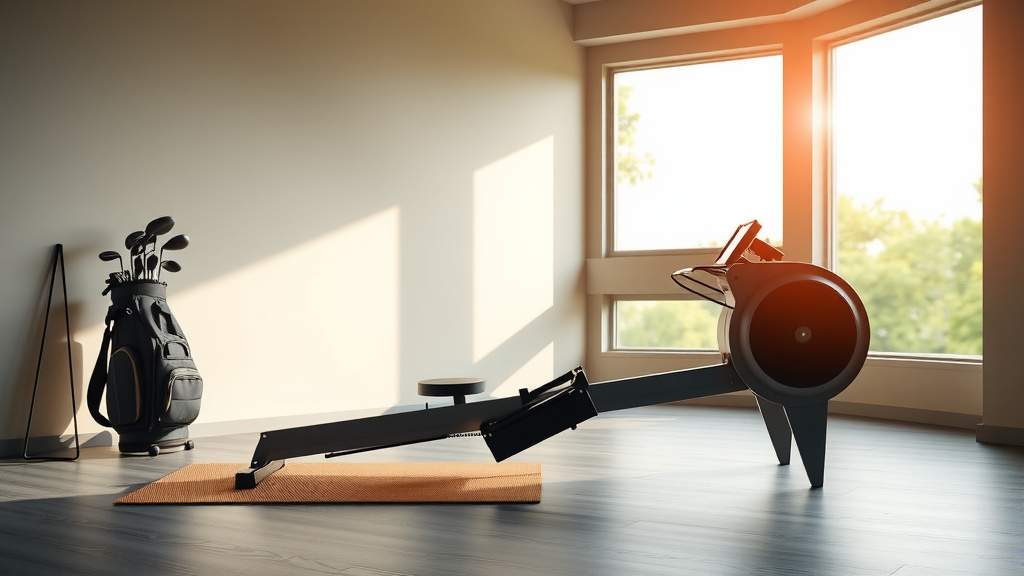
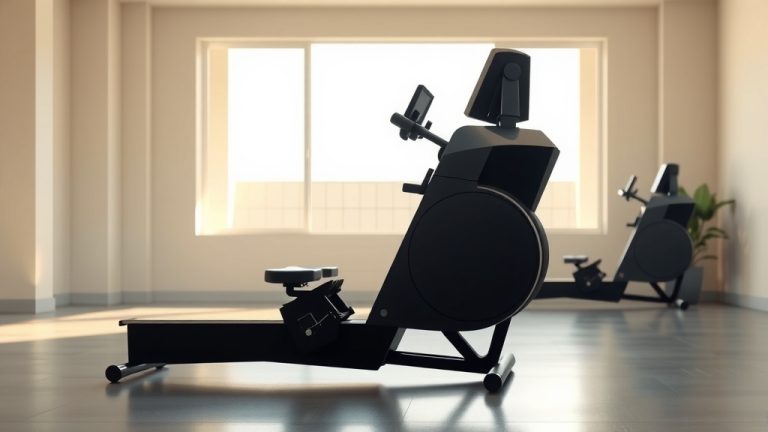
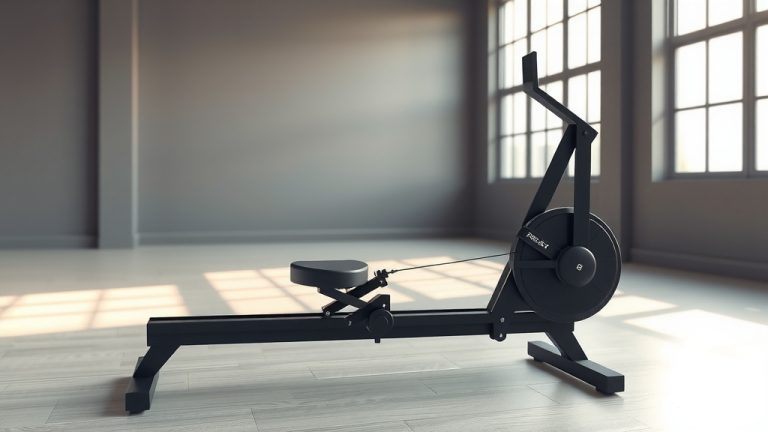
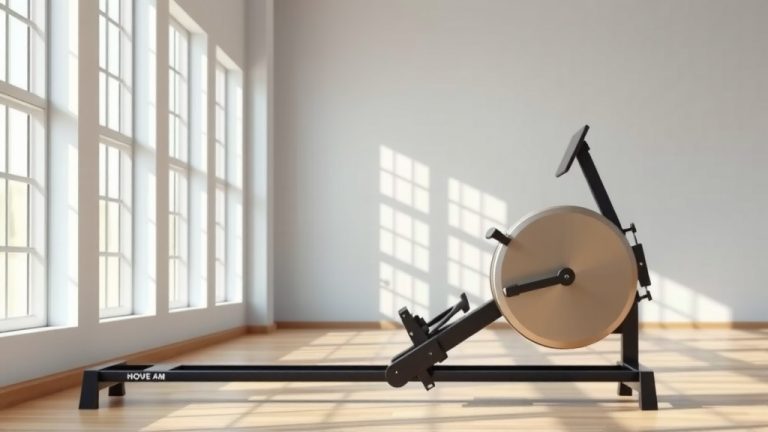
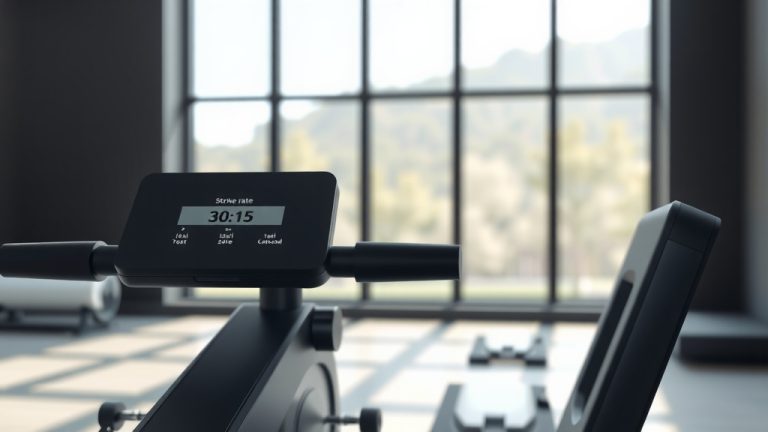
Yes, a rowing machine is very good for golf, as it builds core strength, improves rotational power, and enhances endurance—all vital for a powerful and consistent golf swing. It offers a comprehensive full-body workout that directly supports a golfer’s physical demands on the course.
By engaging your legs, core, and upper body in a coordinated movement, a rowing machine helps develop the stability, flexibility, and stamina needed to strike the ball with precision and maintain focus throughout your round.
Here’s a quick glance at why rowing is a golfer’s secret weapon:
- Rowing machines build the core strength essential for a powerful and stable golf swing.
- They improve rotational flexibility and power, helping you turn better and hit further.
- Cardiovascular benefits boost your stamina, keeping you fresh through all 18 holes.
- Rowing strengthens muscles, which can help prevent common golf-related injuries.
- It offers a low-impact, full-body workout that’s safe and effective for golfers of all levels.
Is Rowing Machine Good For Golf?
Absolutely, a rowing machine can be a fantastic addition to your golf fitness routine. It targets key areas that directly impact your performance on the green, from your swing power to your on-course endurance.
Why Golfers Need Specific Fitness
Golf might not look like a high-impact sport, but a proper swing demands incredible coordination, strength, and flexibility. You’re asking your body to generate significant power and then control it repeatedly, often for hours.
Think about the golf swing: it’s a dynamic, rotational movement involving almost every major muscle group. Without specific conditioning, you might notice your drives lack distance or your short game loses consistency as the round progresses.
Understanding the Rowing Machine’s Benefits
So, where does the rowing machine fit in? It’s a full-body exercise that mimics many of the movements you use in golf, just in a different plane. We found it’s especially good at building a resilient body for the demands of the game.
This single piece of equipment can help address common physical limitations golfers face. It prepares your body for the explosive yet controlled actions needed for that perfect shot.
Full-Body Workout for Golfers
Rowing engages your legs, core, back, shoulders, and arms in one fluid motion. This means you’re not just training isolated muscles but teaching your body to work as a cohesive unit, much like in a golf swing.
You’ll use your legs to drive power, your core to stabilize, and your upper body to finish the stroke. This mirrors the sequence of power generation from the ground up in golf (Mayo Clinic).
Core Strength: The Golf Swing’s Engine
A strong core is non-negotiable for golfers. It’s the central pillar that connects your upper and lower body, allowing you to transfer power efficiently from your feet to the clubhead.
Without a stable core, you lose power, consistency, and are more prone to injuries. Many experts say that a weak core is often the culprit behind common golf aches and pains (NIH).
How Rowing Builds a Strong Core
During rowing, your core muscles (abdominals, obliques, and lower back) work constantly to stabilize your torso. You have to brace yourself to push with your legs and pull with your arms, creating a dynamic core challenge.
This kind of sustained core engagement is exactly what you need to maintain balance and generate torque throughout your swing. It teaches your body to remain sturdy while twisting.
Enhancing Rotational Power and Flexibility
The golf swing is all about rotation. You coil your body on the backswing and uncoil powerfully through impact. A lack of mobility or power here can severely limit your distance and accuracy.
If you feel stiff or struggle to get a full turn, your golf game suffers. You might try to compensate with your arms, leading to inconsistent shots and added strain.
Dynamic Movement for Better Turns
Rowing involves a significant forward and backward trunk movement, requiring you to actively engage your hips and spine. This rhythmic motion helps to improve the rotational flexibility of your torso.
As you row, you are effectively training the muscles responsible for creating a powerful, controlled rotation. This can directly translate to a smoother, stronger golf swing and more yardage.
Boosting Endurance on the Course
Playing 18 holes of golf, especially if you’re walking, is a significant physical effort. You need stamina to maintain your focus and energy from the first tee to the final putt.
Fatigue can lead to sloppy swings, poor decision-making, and a general dip in performance late in the round. Have you ever felt your game fall apart on the back nine?
Cardiovascular Gains from Rowing
A rowing machine provides an excellent cardiovascular workout. Sustained rowing sessions elevate your heart rate, improving your body’s ability to use oxygen efficiently.
Better cardiovascular fitness means you’ll feel less tired, stay mentally sharper, and maintain your swing mechanics throughout your entire round. We found it’s a great way to build stamina for walking the course.
Injury Prevention: A Golfer’s Best Friend
Golfers often deal with common injuries like back pain, shoulder issues, and wrist problems. Many of these stem from imbalances, weak supporting muscles, or improper swing mechanics.
Prevention is always better than cure. By proactively strengthening your body, you can create a more resilient structure that’s less likely to break down under the stress of repeated swings.
Strengthening Key Stabilizer Muscles
Rowing works many of the muscles that support your spine, shoulders, and hips. By building strength in these areas, you create a more stable foundation for your swing, reducing the load on vulnerable joints.
For example, a strong back and core can protect your lower back from the twisting forces of a golf swing. Research often connects overall strength to reduced injury risk (Cleveland Clinic).
The Rowing Machine vs. Other Cardio
You might wonder how rowing stacks up against other fitness options for golfers. While running or cycling offer good cardio, they don’t provide the same full-body, low-impact, strength-building benefits.
Rowing offers a unique combination that directly translates to golf. It’s like getting a strength workout and cardio session rolled into one, without the pounding on your joints.
| Exercise Type | Primary Golf Benefit | Impact Level |
|---|---|---|
| Rowing Machine | Core strength, rotational power, endurance, full-body. | Low |
| Running | Cardiovascular endurance. | High |
| Cycling | Leg strength, cardiovascular endurance. | Low |
Making Rowing Part of Your Golf Training
Integrating rowing into your routine is straightforward. Aim for 2-3 sessions per week, lasting 20-30 minutes each. Focus on proper form to maximize benefits and avoid strain.
You don’t need to row like an Olympian; consistent effort with good technique will yield great results for your golf game. Listen to your body and start gradually.
Here’s a simple checklist to get started:
- Set up your rower correctly for your height.
- Focus on a smooth, powerful stroke, not just speed.
- Prioritize leg drive, then core, then arms.
- Incorporate short, intense intervals for power.
- Include longer, steady-state rows for endurance.
Conclusion
Adding a rowing machine to your fitness regimen can significantly benefit your golf game. It’s a versatile tool that builds the core strength, rotational power, and cardiovascular endurance you need to play your best.
By investing a little time on the rower, you can see real improvements in your swing, reduce your risk of injury, and enjoy golf more consistently. Give it a try, and you might just discover your new secret weapon on the course.
How does rowing help my golf swing power?
Rowing builds powerful leg drive and core stability, which are key for generating clubhead speed. It teaches your body to transfer force efficiently from your lower body through your core to your upper body, directly mimicking the power chain of a golf swing.
Is rowing low-impact for golfers with joint issues?
Yes, rowing is an excellent low-impact exercise. Your feet remain secured, and the movement is fluid, reducing stress on joints like knees, hips, and ankles compared to activities like running. This makes it suitable for golfers seeking a gentler workout.
Can rowing improve my golf flexibility?
While not a primary flexibility exercise, rowing does promote dynamic flexibility in the hips, spine, and shoulders through its full range of motion. Consistent rowing can help improve the mobility needed for a fuller, less restricted golf backswing and follow-through.
How often should a golfer use a rowing machine?
Most experts suggest 2-3 times per week, for 20-40 minutes per session, to see noticeable benefits for golf. This allows for adequate muscle recovery while consistently building strength and endurance relevant to the sport.
Does rowing help with mental focus during golf?
Engaging in regular cardiovascular exercise like rowing can certainly enhance mental clarity and focus. By improving blood flow to the brain and reducing stress, you might find yourself more composed and concentrated during those crucial moments on the golf course.