Is Rowing Machine Or Treadmill Better?
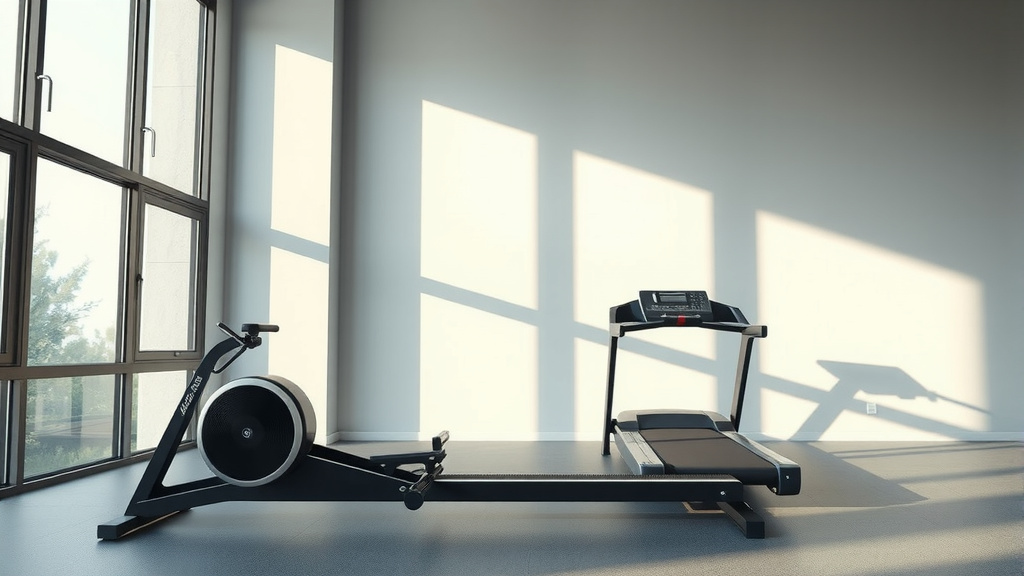
Choosing between a rowing machine and a treadmill hinges on your fitness goals and physical needs. A rowing machine provides a fantastic full-body, low-impact workout, while a treadmill shines for focused cardio and lower-body training.
Here’s a quick overview to help you decide:
- Rowing machines engage up to 86% of your muscles, offering a powerful full-body workout.
- Treadmills are excellent for cardiovascular health, calorie burning, and strengthening leg muscles.
- Rowing is gentler on your joints, making it ideal if you have impact sensitivities.
- Treadmills offer natural walking or running mechanics, which many find familiar and straightforward.
- Your choice depends on your personal preference, fitness goals, and any physical limitations you may have.
Is Rowing Machine Or Treadmill Better?
Neither machine is inherently “better” than the other; your ideal choice depends entirely on your fitness aspirations and what you seek from your workouts. Both offer unique paths to a healthier you.
The Core Difference: Full Body vs. Lower Body
When you step into a gym or plan a home setup, the first major split between these two machines becomes clear. Are you looking for a workout that engages most of your body, or one that primarily targets your legs and heart?
Rowing: A Full-Body Powerhouse
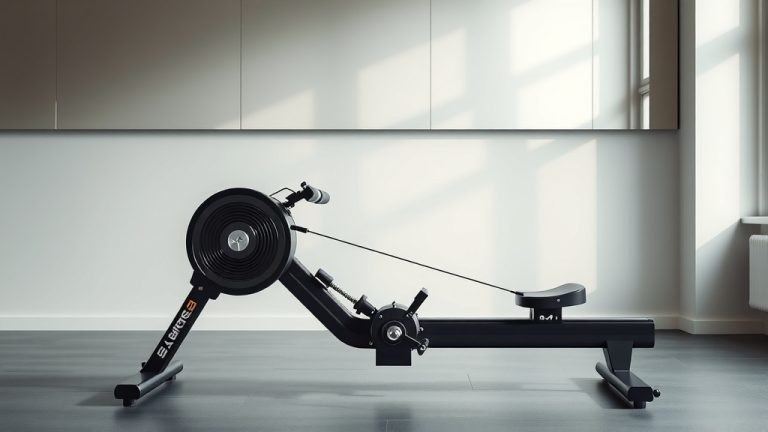
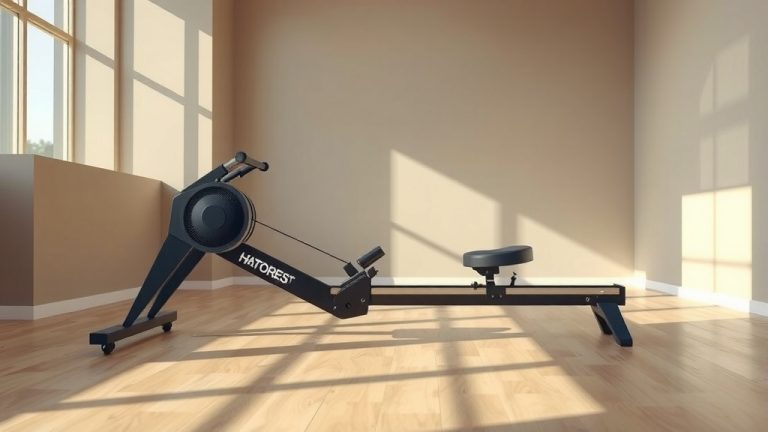
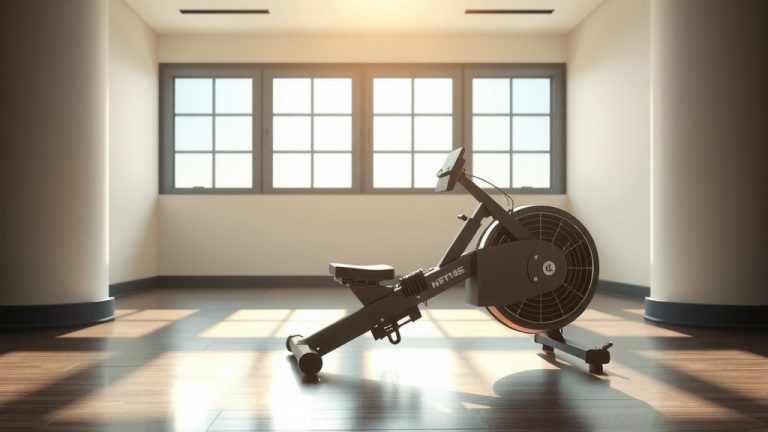
Picture yourself on a rowing machine. You are pushing with your legs, pulling with your arms, and engaging your core. This coordinated movement works your glutes, quads, hamstrings, back, shoulders, and arms all at once. Research shows it activates a significant number of muscles (American Fitness Professionals & Associates).
Think of it like getting a strength workout and cardio session wrapped into one. Many people love this efficiency, especially when time is short. It builds both muscle and endurance.
Treadmill: Your Cardio King
Now imagine yourself on a treadmill. You are walking, jogging, or running. This movement focuses intensely on your lower body and cardiovascular system. Your heart rate climbs, your lungs work hard, and your leg muscles get a real challenge.
For runners or those who simply enjoy walking, a treadmill offers a convenient way to get your steps in. It’s a fantastic tool for improving endurance and burning calories through consistent movement.
Calorie Burn: Who Wins the Race?
Many of us work out to burn calories, right? Both machines are highly effective, but they achieve this in slightly different ways. Have you ever wondered which one might give you more bang for your buck?
Rowing’s Calorie Edge
Because rowing uses so many large muscle groups simultaneously, it often leads to a higher calorie burn per minute compared to many other exercises (Harvard Health Publishing). When you work more muscles, your body demands more energy. It’s like firing on all cylinders.
A vigorous rowing session can torch a substantial number of calories quickly. This makes it an attractive option if calorie expenditure is a top priority for you.
Treadmill’s Consistent Burn
The treadmill provides a consistent and measurable calorie burn, especially when you maintain a good pace. Running, in particular, is one of the most effective exercises for burning calories quickly. The harder you run, the more calories you burn.
While it may not engage as many muscles as rowing, its focused cardiovascular effort is incredibly powerful for weight management and heart health. You can track your progress easily, which can be very motivating.
Joint Impact: Protecting Your Knees and Hips
This is a big one for many people. Nobody wants their workout to leave them feeling sore in a bad way. How do these machines stack up when it comes to being kind to your joints?
Rowing: Gentle on Joints
One of rowing’s greatest benefits is its low-impact nature. Your feet stay connected to the footrests, and your body glides smoothly. This means minimal stress on your knees, hips, and ankles. Many experts, including those at the American Council on Exercise, highlight rowing as a joint-friendly option.
If you have joint issues, are recovering from an injury, or simply want to protect your joints long-term, rowing could be your best friend in fitness.
Treadmill: Mind the Impact
Treadmills involve repetitive impact as your feet strike the belt. While most treadmills have some cushioning, running can still be a high-impact activity. This impact can be challenging for some individuals, especially those with pre-existing joint conditions or injuries.
Walking on a treadmill is much lower impact than running. If you choose a treadmill, consider focusing on walking or incline walking to reduce joint stress, or look for treadmills with superior shock absorption.
Space and Cost: What Fits Your Life?
Beyond the workout itself, practical matters often come into play. How much space do you have? What’s your budget? These are common questions when choosing home gym equipment.
Budgeting for Your Workout
Both rowing machines and treadmills come in a wide range of prices. You can find entry-level models for a few hundred dollars, and high-end machines for thousands. Generally, treadmills can be slightly more expensive for comparable quality, especially those with advanced features or larger running decks. We often find that a decent quality treadmill for serious running might require a larger initial investment than a solid rowing machine.
Home Gym Footprint
Space is always a consideration. Most treadmills have a relatively large footprint, though many modern models can fold up to save space when not in use. Rowing machines, while long, often have a slimmer profile and some can also be stored vertically, taking up less floor space when not in operation. Consider your available room carefully.
| Feature | Rowing Machine | Treadmill |
|---|---|---|
| Primary Muscles Worked | Full Body (legs, core, back, arms) | Lower Body (quads, hamstrings, glutes, calves) |
| Impact Level | Very Low Impact | Medium to High Impact (depending on pace) |
| Main Benefit | Cardio + Strength (Full-body) | Cardio + Endurance (Lower-body) |
| Approx. Space Needed | Long, but often stores vertically | Large footprint, many fold |
| Typical Price Range | Mid-range to High-end | Entry-level to High-end (often higher) |
Versatility and Training Goals
What are you trying to achieve with your workouts? Your goals will play a big part in which machine feels like the right fit for you. Think about what kind of training you actually enjoy.
Rowing for Strength and Endurance
Rowing is incredibly versatile. You can do steady-state cardio for long endurance, or short, intense intervals for power and strength. Many people enjoy the challenging but fluid motion. It’s also great for building muscular endurance, which means your muscles can work longer without getting tired.
The resistance can often be adjusted, allowing you to tailor your workout to your specific needs. This makes it suitable for a wide range of fitness levels, from beginners to seasoned athletes.
Treadmill for Running and Walking
The treadmill’s versatility lies in its ability to simulate various running and walking conditions. You can adjust speed and incline to replicate hills or sprints. It’s an ideal tool for marathon training, speed work, or simply getting your daily steps indoors. If your passion is running, the treadmill is an obvious choice.
It also allows for precise tracking of distance, pace, and elevation, which is great for monitoring progress. Many find the simplicity of just getting on and going a big plus for consistent exercise.
Injury Prevention and Safety Tips
No matter which machine you choose, safety is always important. Proper form and smart training habits will keep you healthy and enjoying your workouts. What simple steps can you take?
- Always Warm Up: Prepare your body with light cardio before intense exercise.
- Maintain Proper Form: Watch videos or get instruction for correct technique.
- Listen to Your Body: Don’t push through sharp pain. Take rest days when needed.
- Stay Hydrated: Drink plenty of water before, during, and after your workout.
- Wear Appropriate Footwear: Good shoes protect your joints and provide support.
- Cool Down and Stretch: Help your muscles recover and improve flexibility.
Who Should Choose a Rowing Machine?
If you are looking for a workout that challenges almost every muscle group, offers a fantastic cardio boost, and is gentle on your joints, a rowing machine could be perfect. It’s a great option for those seeking a highly efficient, full-body routine.
People who want to build a balanced level of both strength and cardiovascular fitness, or who need a low-impact alternative to running, often gravitate towards rowing. It’s also very effective for overall conditioning.
Who Should Choose a Treadmill?
If your main goal is to improve your cardiovascular endurance, train for a race, or simply enjoy walking or running indoors, a treadmill is likely your best bet. It offers a straightforward and familiar way to get your cardio fix and burn calories.
Runners, walkers, and anyone who prefers a focused lower-body workout will find the treadmill highly beneficial. It’s also great for those who enjoy the simplicity of movement and tracking consistent metrics like distance and speed.
Conclusion
Ultimately, the choice between a rowing machine and a treadmill comes down to what fits your personal fitness journey best. Do you crave a full-body challenge with minimal joint impact, or do you prefer to pound the pavement (or belt) to build your cardio and leg strength? Both are phenomenal tools for improving your health. Consider your goals, your body’s needs, and what kind of workout keeps you feeling motivated. The best machine is the one you will use consistently and enjoy for years to come.
What muscles does a rowing machine work?
A rowing machine provides a comprehensive full-body workout. It primarily targets your legs (quads, hamstrings, glutes) during the drive, your core for stability, and your back, shoulders, and arms (biceps, triceps) during the pull phase. It’s one of the few machines that engages a vast majority of your muscle groups effectively.
Can you build muscle with a treadmill?
While a treadmill is primarily a cardiovascular machine, it certainly helps strengthen and tone your lower body muscles, especially your glutes, quads, hamstrings, and calves. Running or incline walking can build muscular endurance in these areas, but it’s not the primary tool for significant muscle mass growth like weightlifting would be.
Is rowing better for weight loss than a treadmill?
Both machines are very effective for weight loss because they burn calories. Rowing might offer a slight edge in calorie burn per minute due to its full-body engagement. However, consistency and diet are far more important than any marginal difference between machines. The “better” one for weight loss is the one you will use regularly.
Which machine is safer for beginners?
Both machines can be safe for beginners with proper guidance. A rowing machine might be slightly safer for beginners concerned about joint impact, as it’s a low-impact exercise. However, learning proper rowing form is important to avoid strain. Treadmills are intuitive for walking, but running can pose higher impact risks if not approached carefully.
Can you get a full-body workout on a treadmill?
A treadmill provides an excellent lower-body and cardiovascular workout, but it does not engage your upper body or core in the same comprehensive way a rowing machine does. To achieve a full-body workout with a treadmill, you would need to add separate upper-body and core exercises to your routine.