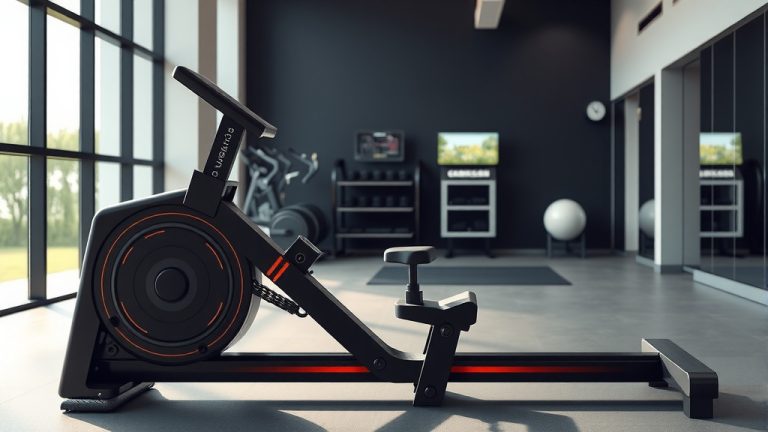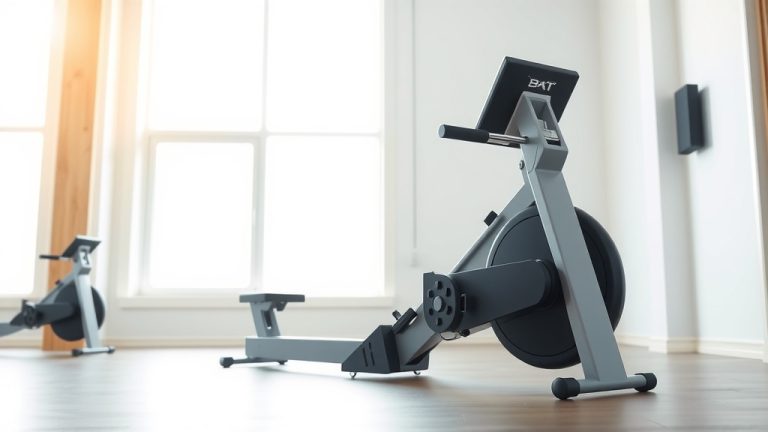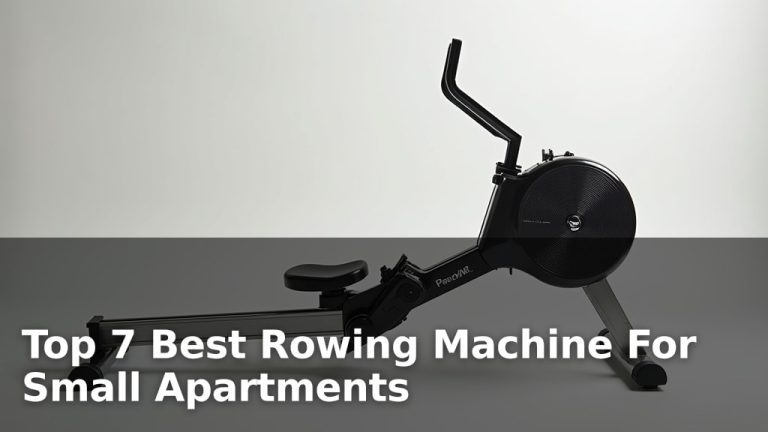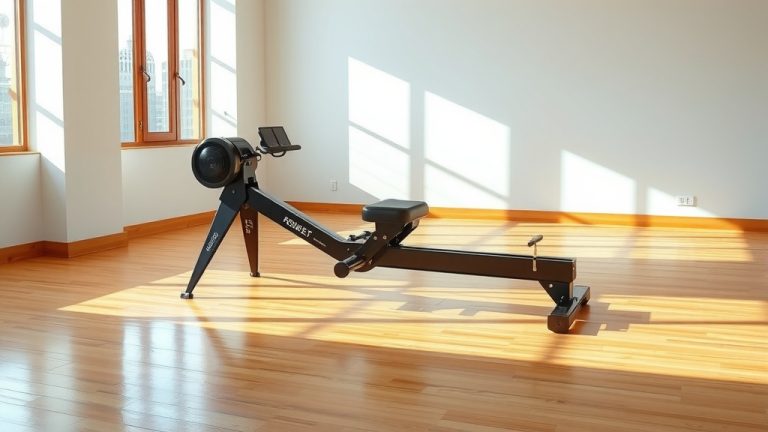
What Is An Erg Rowing Machine?
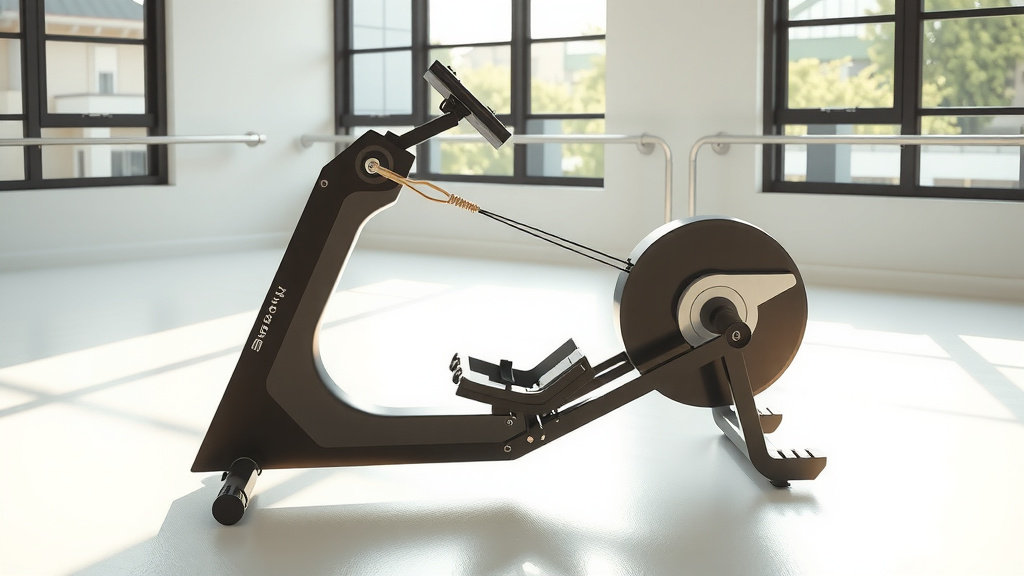
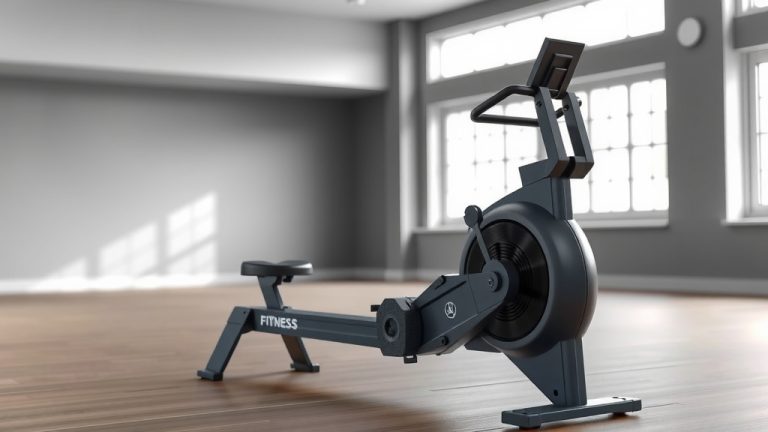
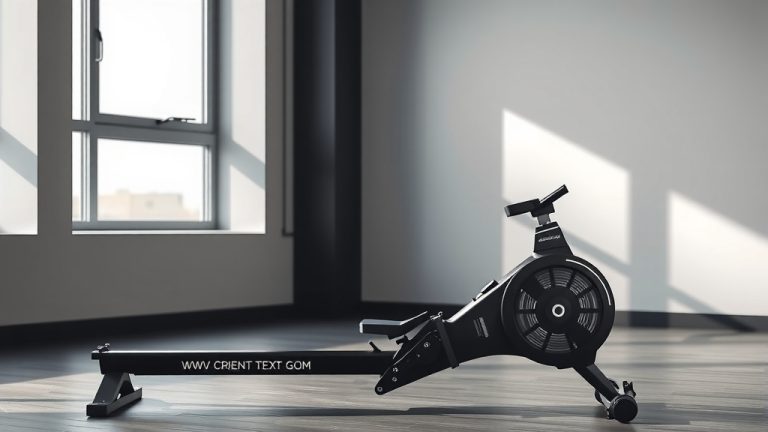
An erg rowing machine, often called an ergometer, is a stationary exercise device designed to accurately simulate the action of rowing a boat on water. It provides a comprehensive, full-body workout that targets major muscle groups with a smooth, low-impact motion.
This fitness equipment helps you improve cardiovascular health, build strength, and burn calories, making it a popular choice for athletes and everyday exercisers alike.
Here’s the quick scoop on erg rowing machines to get you started:
- An ergometer is just a fancy name for a rowing machine.
- It offers a complete body workout, engaging about 86% of your muscles.
- There are different types, mainly distinguished by their resistance system: air, water, magnetic, and hydraulic.
- Ergs are great for building endurance, strength, and improving heart health without harsh impact on your joints.
- They’re versatile tools for both intense training and gentle fitness routines.
What Is An Erg Rowing Machine?
An erg rowing machine is a piece of exercise equipment that mimics the movement of rowing a boat. It’s often simply called a “rower” or an “erg.” You sit on a sliding seat, grasp a handle, and push with your legs while pulling with your arms and core.
This action makes it an incredibly effective tool for fitness. Many experts consider it one of the most efficient full-body workouts available (American Council on Exercise).
Why Is It Called an “Erg”?
The word “erg” comes from “ergometer.” An ergometer is a device that measures work or energy expended. In the context of rowing, it specifically measures the power you generate with each stroke.
This scientific name highlights the machine’s ability to track your performance. It’s a precise instrument for measuring your effort and progress, making it popular in competitive rowing circles.
The Powerhouse Workout: What Muscles Do You Use?
When you use an erg, you’re not just moving your arms. Research consistently shows that rowing engages a vast array of muscles from head to toe. It’s a true full-body experience.
Think of it as a coordinated dance between your lower body, core, and upper body. You push, you pull, and you stabilize, all in one fluid motion.
A Full-Body Fitness Friend
Your legs initiate the stroke, working your quads, hamstrings, and glutes. Then, your core engages to stabilize your body and transfer power.
Finally, your back, shoulders, and arms complete the pull. This sequence targets about 86% of your muscles, making it a highly efficient exercise (Harvard Health Publishing).
It’s like having a weightlifting session and a cardio workout all rolled into one. Plus, it’s low impact, which means less stress on your joints compared to running or jumping.
Different Strokes: Types of Erg Rowing Machines
Not all ergs are created equal. The main difference usually lies in how they create resistance. This impacts the feel of the workout, the noise level, and even the price.
Understanding these types can help you choose the best machine for your needs. Do you prefer a smooth, quiet workout, or something that feels more like being on water?
Air Resistance Ergs: The Classic Choice
Air resistance ergs are probably the most common type you’ll see in gyms. They use a flywheel with fan blades that spin as you pull the handle.
The harder you pull, the more air resistance you create. This gives a very natural, dynamic feel. They can be a bit noisy, but many rowers love the responsiveness.
Water Resistance Ergs: Feel the Flow
These machines use actual water in a tank to create resistance. As you pull, paddles inside the tank move through the water.
Many users say water ergs provide the most realistic “on-water” rowing experience. They often produce a soothing swishing sound, which some find very motivating.
Magnetic Resistance Ergs: Smooth and Quiet
Magnetic resistance ergs use magnets and a flywheel to generate resistance. You can often adjust the resistance level easily with a dial or button.
They are known for being very quiet and offering a consistently smooth stroke. This makes them ideal for home use where noise might be a concern.
Hydraulic Resistance Ergs: Compact and Budget-Friendly
Hydraulic ergs use cylinders filled with fluid or air to create resistance. They typically have two handles, one for each arm, mimicking the oars of a boat.
These are often the most compact and budget-friendly option. However, they may not offer the same full-body synchronization as other types, focusing more on the upper body.
Which Erg Is Right For You? A Quick Comparison
Choosing an erg depends on your priorities. Do you value realism, quiet operation, or affordability?
Let’s look at a quick comparison to help you weigh the options:
| Resistance Type | Feel of the Stroke | Noise Level | Price Range |
|---|---|---|---|
| Air | Dynamic, like on-water rowing | Moderate to Loud | Mid to High |
| Water | Very realistic, smooth | Quiet (soothing swish) | Mid to High |
| Magnetic | Smooth, consistent, adjustable | Very Quiet | Low to Mid |
| Hydraulic | Less natural, often arm-focused | Quiet | Low |
Key Features to Look For
Beyond resistance type, consider other factors when choosing an erg. A good monitor, comfortable seat, and easy storage can make a big difference in your experience.
Don’t forget the little things that add up to a great workout. We found that users often appreciate thoughtful design.
The Performance Monitor
This is your data hub. Look for one that displays key metrics like stroke rate, distance, time, and calories. Some even connect to apps for guided workouts.
A clear, easy-to-read display can keep you motivated. It helps you track your progress and hit your fitness goals.
Comfortable Seat and Footrests
You’ll be spending a lot of time on this machine! A comfortable, ergonomic seat is vital to prevent discomfort. Adjustable footrests help secure your feet properly.
Proper positioning ensures you can maintain good form throughout your workout. This prevents injury and boosts efficiency.
Storage and Portability
If space is an issue, consider ergs that can be folded or stored upright. Wheels for easy movement are also a big plus.
Many experts say that if equipment is easy to store, you’re more likely to use it often.
Making the Most of Your Erg Workout
Once you have your erg, how do you get the best results? It’s all about proper form, consistent routine, and setting achievable goals.
Remember, quality over quantity is key here. A few well-executed strokes are better than many sloppy ones.
Perfecting Your Form
Good form protects your body and maximizes your workout. The stroke consists of a powerful push from the legs, followed by a strong core and then arm pull.
Many online resources and coaching videos can guide you. It’s like learning to ride a bike; once you get it, it sticks (Mayo Clinic).
Setting a Routine
Consistency is your best friend. Even 20-30 minutes, three to four times a week, can yield impressive results. Mix up your workouts with steady-state cardio and interval training.
Listen to your body, and don’t be afraid to take rest days. Recovery is just as important as the workout itself.
Checklist for an Effective Erg Workout:
- Warm up for 5-10 minutes with light cardio.
- Maintain a strong, straight back throughout the stroke.
- Push hard with your legs first, then lean back slightly.
- Pull the handle towards your lower ribs, keeping elbows close.
- Return to the starting position smoothly, reversing the order.
- Cool down for 5 minutes with stretching.
Benefits Beyond the Boat
Using an erg offers a wealth of health benefits. We found through studies that it improves cardiovascular fitness, builds muscle, and helps with weight management.
It’s a fantastic option for almost anyone looking to get fit. You don’t need to be a competitive rower to reap the rewards.
Cardio and Strength in One
Your heart and lungs get a fantastic workout, boosting your endurance. At the same time, the resistance builds strength across your entire body. It’s a powerful combo.
Research often connects regular rowing with significant improvements in overall physical health (NIH).
Is an Erg Good for Beginners?
Absolutely! Ergs are very beginner-friendly. The low-impact nature means less strain on your joints. You can control the intensity, starting slow and building up.
Just focus on learning proper form first. Don’t worry about speed or distance right away. Your body will thank you later.
Common Misconceptions About Ergs
Some people think rowing machines are only for elite athletes or that they primarily work your arms. This isn’t true!
While rowers are used in professional training, they are incredibly effective for general fitness. And as we’ve discussed, it’s a full-body workout, not just arms.
Conclusion
An erg rowing machine is a powerful and versatile piece of fitness equipment. It offers a comprehensive, low-impact workout that benefits your heart, muscles, and overall well-being. Whether you choose an air, water, magnetic, or hydraulic model, you’re investing in a fitness tool that can support your health journey for years.
Remember to focus on good form, stay consistent, and enjoy the rhythm of the stroke. Your body will appreciate the effort, and you’ll find yourself stronger, fitter, and perhaps even a little calmer. Happy rowing!
Are erg rowing machines good for weight loss?
Yes, erg rowing machines are excellent for weight loss. They provide a high-calorie-burning workout that engages many muscle groups. Combining regular rowing with a balanced diet can effectively contribute to weight management goals.
How long should a beginner row on an erg?
For beginners, starting with 10-15 minute sessions, 3-4 times a week, is a good approach. Focus on mastering proper form rather than speed or duration. Gradually increase your workout time as your fitness improves and you feel more comfortable.
Can erg rowing machines hurt your back?
If done with improper form, especially rounding your back, rowing can strain your lower back. However, with correct technique – engaging your core, maintaining a straight back, and initiating the stroke with your legs – rowing can actually strengthen your back muscles and improve posture.
What is the best type of erg for a quiet workout at home?
Magnetic resistance ergs are generally the quietest option for home use. They use a magnetic braking system that operates very smoothly and silently. Water resistance ergs are also relatively quiet, producing a soothing swishing sound rather than mechanical noise.
Do erg rowing machines provide a good cardio workout?
Absolutely! Erg rowing machines are renowned for providing an outstanding cardiovascular workout. They elevate your heart rate efficiently, improving lung capacity and endurance. You can tailor the intensity to perform steady-state cardio or high-intensity interval training (HIIT) to boost your heart health.