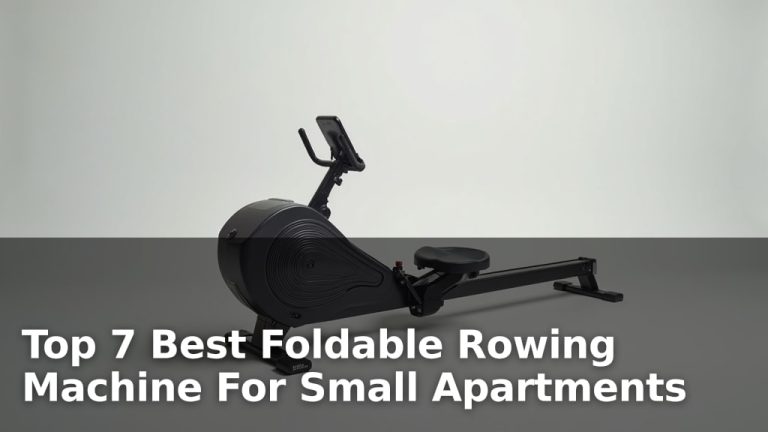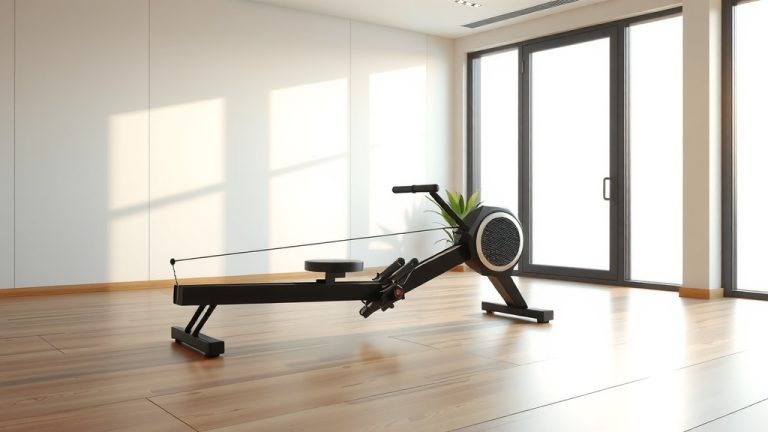
How To Use Rowing Machine For Weight Loss?
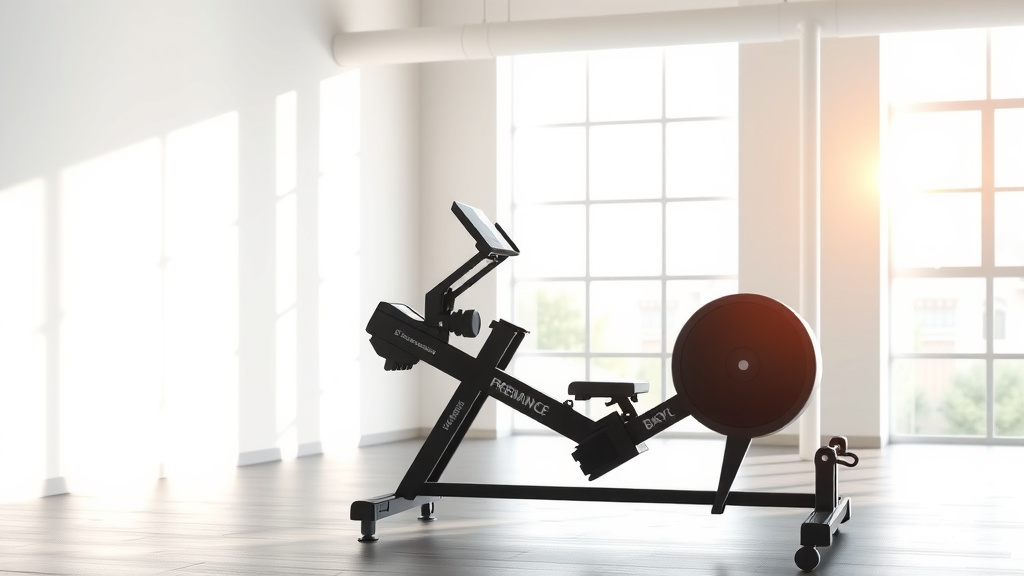
Yes, you can absolutely use a rowing machine for weight loss. This powerful full-body workout burns significant calories and builds muscle, making it a fantastic tool for shedding pounds.
Incorporating a rowing machine into your routine effectively torches calories, helping create the deficit needed to lose weight. Consistency, proper form, and varied workouts are key to seeing results.
- Rowing torches calories quickly, accelerating your weight loss journey.
- It engages nearly 85% of your muscles, building lean mass that boosts metabolism.
- Short bursts of high-intensity intervals (HIIT) on the rower are especially effective for fat loss.
- Good technique ensures you work harder and prevent injury, making your workouts count.
- Combine regular rowing with a balanced diet for the best and most lasting weight loss success.
How To Use Rowing Machine For Weight Loss?
To use a rowing machine for weight loss, you need to combine consistent effort with proper technique. It’s not just about pulling; it’s about making every stroke count for maximum calorie burn and muscle engagement.
Rowing: Your Full-Body Weight Loss Ally
Think of the rowing machine as a secret weapon in your fitness arsenal. It’s one of the few pieces of equipment that works nearly every major muscle group in your body. This includes your legs, core, back, and arms.
When you engage so many muscles, your body needs more energy. This translates directly to a higher calorie burn during your workout. More calories burned means a greater chance of achieving a calorie deficit for weight loss.
Why Rowing Burns So Many Calories
We often hear about treadmills or ellipticals for calorie burning. But research shows rowing can compete, sometimes even outperform them. Because it uses both your upper and lower body in a powerful, fluid motion, your heart rate elevates quickly.
Many experts say that a 30-minute rowing session can burn anywhere from 200 to 400 calories. This depends on your intensity and body weight (Mayo Clinic). That’s a serious workout for your weight loss goals.
Mastering Your Rowing Form for Better Results
Bad form won’t just hinder your progress; it can also lead to injury. Think of it like trying to paint a masterpiece with a broken brush. You need to get the technique right to truly benefit. A smooth, powerful stroke is your goal.
The Four Phases of a Perfect Stroke
Your rowing stroke has distinct phases: the catch, the drive, the finish, and the recovery. It’s like a dance your body performs. The power should come mainly from your legs, then your core, and finally your arms.
- The Catch: Sit tall, shins vertical, arms straight, shoulders relaxed.
- The Drive: Push with your legs, then lean back slightly, pull with your arms.
- The Finish: Legs extended, handle at your sternum, core engaged.
- The Recovery: Extend arms, lean forward, then bend knees to slide back.
It’s a rhythm, a flow. Don’t rush it, and make sure your core is engaged throughout. This protects your back and makes the movement more efficient.
Crafting Your Rowing Workouts for Maximum Fat Loss
Variety is the spice of life, and it’s also key to breaking through plateaus. Don’t just do the same workout every day. Your body adapts quickly, and you want to keep it guessing.
High-Intensity Interval Training (HIIT) on the Rower
HIIT is a fantastic strategy for weight loss. It involves short bursts of maximum effort followed by brief recovery periods. For example, row as hard as you can for 30 seconds, then rest for 60 seconds. Repeat this 8-10 times.
Research suggests that HIIT can boost your metabolism for hours after you finish working out (NIH). This “afterburn effect” means you’re still incinerating calories long after you step off the machine. It’s like your body becomes a calorie-burning furnace.
Steady-State Cardio for Endurance
Don’t neglect steady-state rowing either. This means rowing at a consistent, moderate pace for a longer duration. Aim for 30-60 minutes where you can hold a conversation, but still feel challenged. This builds your cardiovascular endurance.
While HIIT is great for intensity, steady-state helps you burn a solid number of calories over time. It’s a great way to improve your overall fitness and contribute to your weekly calorie goals.
Integrating Rowing into Your Lifestyle
Consistency is more important than perfection. You don’t need to row for an hour every single day. Start small, build momentum, and find a routine that you can stick with.
Frequency and Duration Recommendations
Many guidelines point to 150 minutes of moderate-intensity exercise per week as a good target (CDC). This could be five 30-minute rowing sessions. If you’re doing HIIT, fewer, shorter sessions might suffice, like 3 times a week for 20 minutes.
Listen to your body, and always consult a doctor before starting any new exercise program. The goal is to make rowing a sustainable part of your week.
Rowing for Weight Loss: The Food Factor
You’ve heard it before: you can’t out-exercise a bad diet. Rowing is amazing, but it works best when paired with smart nutrition. Think of rowing as the accelerator and diet as the fuel for your weight loss journey.
Smart Eating Habits to Complement Your Rowing
Focus on whole, unprocessed foods. Lean proteins, plenty of vegetables, fruits, and healthy fats are your friends. Try to reduce sugary drinks and highly processed snacks. Many experts recommend tracking your food intake for a few days to understand your habits (Mayo Clinic).
A small calorie deficit (around 500 calories less than you burn daily) is often recommended for safe, effective weight loss. This means your rowing efforts will really shine. Your diet and exercise go hand-in-hand.
Tracking Your Progress and Staying Motivated
How do you know if it’s working? Tracking your progress keeps you motivated. It’s like watching your favorite show, you want to see what happens next!
Metrics to Monitor
Focus on non-scale victories. Are your clothes fitting better? Do you have more energy? Is your rowing speed or distance improving? These are all signs of progress. You can also track your weight once a week, but don’t let the scale define your success. Focus on how you feel and perform.
| Workout Type | Intensity | Duration Example | Weight Loss Benefit |
|---|---|---|---|
| HIIT Rowing | High (Max Effort Bursts) | 20-25 minutes | High calorie burn, ‘afterburn’ effect, boosts metabolism. |
| Steady-State Rowing | Moderate (Conversational Pace) | 30-60 minutes | Consistent calorie burn, improves cardiovascular health. |
Rowing Success Checklist
Ready to make rowing a permanent part of your weight loss journey? Here’s a quick checklist to keep you on track:
- Consistent effort: Aim for 3-5 sessions per week.
- Perfect form: Focus on technique, not just speed.
- Varied workouts: Mix HIIT and steady-state sessions.
- Smart nutrition: Support your efforts with healthy eating.
- Hydration: Drink plenty of water before, during, and after.
- Listen to your body: Rest when needed to prevent burnout.
Conclusion
Using a rowing machine for weight loss is a highly effective, full-body approach. By mastering your form, varying your workouts with HIIT and steady-state sessions, and pairing your efforts with good nutrition, you’re setting yourself up for success. Remember, consistency is your most powerful tool. Embrace the rhythm of the rower, and you’ll not only shed pounds but also build strength, endurance, and confidence. Your healthier self is just a few strokes away!
How many calories can I burn on a rowing machine?
The exact number of calories burned on a rowing machine varies based on your body weight, intensity, and duration. Generally, a 150-pound person can burn around 200-300 calories in a 30-minute moderate session. High-intensity intervals can burn even more in less time due to the ‘afterburn’ effect.
Is rowing better for weight loss than running?
Both rowing and running are excellent for weight loss. Rowing engages more muscle groups (around 85%), offering a full-body workout with less impact on your joints than running. Running can sometimes burn slightly more calories per minute for some individuals. The “best” choice depends on your preference, joint health, and what you enjoy more for consistency.
How often should I row for weight loss?
For effective weight loss, aim for 3-5 rowing sessions per week. If you’re doing high-intensity interval training (HIIT), three 20-25 minute sessions might be sufficient. If you prefer steady-state cardio, aim for 30-60 minutes per session, 4-5 times a week. Listen to your body and ensure you’re getting adequate rest.
What should my diet look like if I’m rowing for weight loss?
Pairing your rowing with a balanced, calorie-controlled diet is essential for weight loss. Focus on lean proteins, complex carbohydrates, healthy fats, and plenty of fruits and vegetables. Reduce intake of processed foods, sugary drinks, and excessive unhealthy fats. Creating a slight calorie deficit (burning more than you consume) is key.
Can rowing help me lose belly fat specifically?
While rowing is fantastic for overall fat loss, including reducing body fat percentage, it’s important to understand you cannot “spot reduce” fat from specific areas like your belly. Rowing strengthens your core muscles, which can give the appearance of a flatter stomach over time. Consistent full-body exercise and a healthy diet will lead to overall fat loss, including around your midsection.