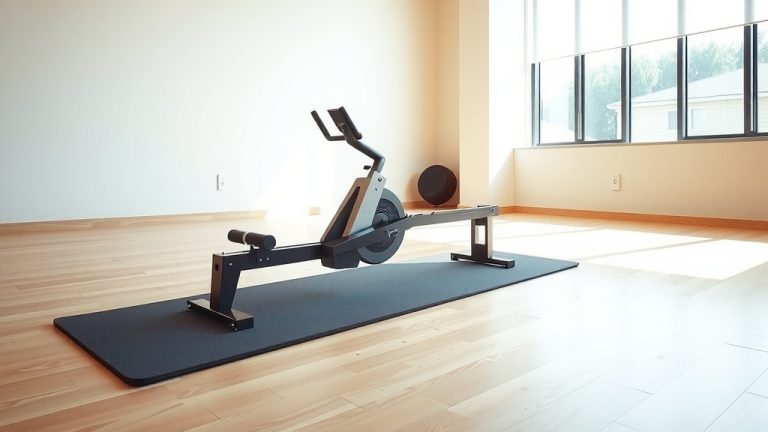
How To Warm Up For Rowing Machine?
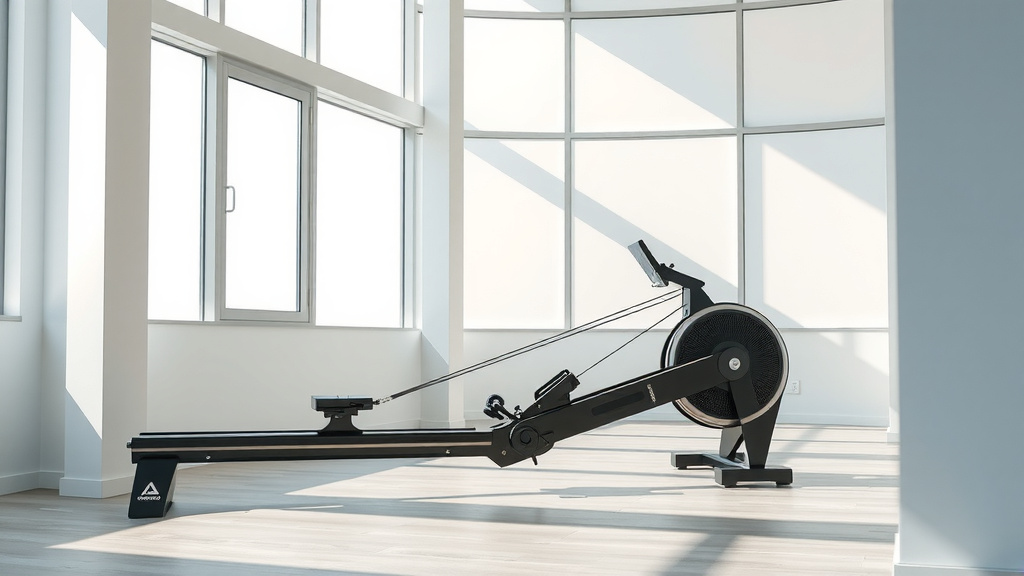
A proper warm-up for your rowing machine session should always begin with 5-10 minutes of dynamic stretches and light, full-body cardio.
This prepares your muscles and joints for the demanding, repetitive motion of rowing, helping prevent injury and boosting your overall workout performance.
Here’s a quick overview of why warming up for your rowing machine workout is so important:
- Gets your blood flowing and muscles ready to work.
- Improves your flexibility and range of motion.
- Reduces your risk of common rowing-related injuries.
- Mentally prepares you for an effective workout session.
- Helps you perform better and feel stronger on the erg.
How To Warm Up For Rowing Machine?
Warming up for your rowing machine isn’t just a nice idea; it’s a necessary step. It gets your body ready for the unique, full-body workout a rower provides. Think of it like a gentle wake-up call for all your muscles and joints, preparing them for the work ahead.
Why Bother Warming Up?
Skipping your warm-up is like trying to drive a car with a cold engine. It just doesn’t run as smoothly, right? We found that a good warm-up significantly reduces muscle stiffness and prepares your cardiovascular system (NIH). This means fewer aches and a much better workout.
Many experts say that taking just a few minutes beforehand can seriously lower your chances of common rowing injuries. These include strains in your lower back, hamstrings, or shoulders (Mayo Clinic). It’s about building a solid foundation for your workout.
Start with Light Cardio
Before any deep stretching, you want to get your blood moving. A few minutes of light cardio raises your heart rate gently. This helps warm your muscles from the inside out.
You can simply start with a very light row on your machine itself. Just a few minutes at a very low intensity, focusing on smooth movements. Or, a brisk walk, some jumping jacks, or light cycling also work well to kickstart your system.
Dynamic Stretching: Your Best Friend
Once your body feels a little warmer, it’s time for dynamic stretches. These are movements that take your joints and muscles through their full range of motion. Unlike static stretches, where you hold a position, dynamic stretches involve constant movement. We found they prepare your body much better for exercise (Mayo Clinic).
Arm and Shoulder Circles
Your arms and shoulders work hard on the rower. Do large, slow circles forward and backward. This helps warm up your shoulder joints and the muscles around them, getting them ready for the pull phase of your stroke.
Think of it as greasing the gears of your upper body. You want those movements to be fluid and free.
Torso Twists and Rotations
Your core and back are critical for powerful rowing. Stand tall and gently twist your upper body side to side. Keep your hips relatively still to focus the movement in your spine. This helps prepare your core for the repeated flexion and extension.
This movement is key for the transfer of power from your legs to your arms during the drive.
Leg Swings and Hip Mobility
The rowing stroke is incredibly leg-driven. Standing sideways, swing one leg gently forward and backward. Then, turn and swing it side to side. This warms up your hips, hamstrings, and glutes.
Good hip mobility is essential for reaching that deep “catch” position without straining your lower back. It helps you get more power from your legs.
Cat-Cow Stretch
This gentle yoga move is fantastic for your spine. On your hands and knees, arch your back like a cat and then drop your belly like a cow. It helps wake up your spinal column and core muscles.
It’s a simple way to get your back ready for the rhythmic bending and straightening it does during rowing, supporting a healthy spine.
Practice the Rowing Motion Gently
After your dynamic stretches, hop on the rower. But don’t just jump into your hardest strokes! Start with a few minutes of very light, easy rowing. Focus on each part of the stroke: the catch, the drive, the finish, and the recovery.
This helps you connect your mind to the movements and ensures your body remembers the proper technique. It’s a movement rehearsal, building confidence before you add intensity.
Warm-up Duration Guide
How long should your warm-up last? It depends on your workout and how your body feels. Here’s a general guideline:
| Workout Intensity | Suggested Warm-up Time |
|---|---|
| Light, steady-state row | 5-7 minutes |
| Moderate-intensity session | 7-10 minutes |
| High-intensity interval training (HIIT) | 10-15 minutes |
Common Warm-up Mistakes to Avoid
It’s easy to fall into warm-up traps. One common error is doing static stretches (holding a stretch for 30 seconds or more) before you’re warm. Many guidelines point out that static stretching before exercise can actually decrease power and potentially increase injury risk (Mayo Clinic).
Also, don’t rush it! A too-short warm-up won’t properly prepare your body. And skipping it entirely? That’s like asking for trouble. Give your body the time it needs to wake up and get ready for action, always aiming for a gradual progression.
Your Pre-Row Checklist
Before you hit those strokes, a quick mental run-through can help. Here’s a simple checklist to make sure you’re ready:
- Did I do light cardio for 2-3 minutes?
- Have I performed dynamic stretches for my arms, shoulders, back, and hips?
- Are my joints feeling looser and my muscles warm?
- Did I complete a few minutes of easy, form-focused rowing?
- Am I mentally ready to focus on my workout?
Conclusion
Taking a few minutes to warm up before your rowing machine workout is an investment, not a delay. It sets the stage for a safer, more effective, and much more enjoyable session. By incorporating dynamic stretches and light cardio, you’ll protect your body, improve your performance, and feel better overall. So, next time you step onto your rower, give your body the warm-up it deserves. Your muscles will thank you!
What is the main goal of a rowing machine warm-up?
The primary goal is to increase blood flow to your muscles, gently raise your heart rate, and improve joint mobility. This prepares your body for the unique, full-body movements of rowing, reducing injury risk and making your workout more effective.
Should I stretch before or after rowing?
You should do dynamic stretches (moving stretches) before rowing to warm up your muscles and prepare your joints. Static stretches (holding a stretch) are best reserved for after your workout, during your cool-down, when your muscles are already warm and more pliable.
How long should a rowing machine warm-up last?
A typical warm-up for a rowing machine session should last between 5 to 10 minutes. For higher intensity workouts, extending it to 10-15 minutes can be beneficial to ensure your body is fully ready for the demands ahead.
Can I warm up directly on the rowing machine?
Absolutely! Starting with 2-3 minutes of very light, easy rowing at a low intensity is a great way to begin your warm-up directly on the machine. Follow this with some dynamic stretches off the machine, then return for a few more minutes of gentle rowing focusing on form.
What happens if I don’t warm up before rowing?
Skipping your warm-up can leave your muscles and joints cold and stiff. This increases your risk of strains, pulls, and other injuries, especially in the lower back, hamstrings, and shoulders. You may also find your performance suffers, and the workout feels harder than it should.