Can I Use Rowing Machine With Diastasis Recti?
You generally should avoid a rowing machine if you have active diastasis recti, especially without expert guidance. The movement can worsen the abdominal separation.
Modifying your workout and focusing on deep core strength is key to safely returning to exercise after diastasis recti. Always consult a pelvic floor specialist first.
Here’s the short and sweet:
- Rowing with diastasis recti is often not recommended initially.
- It can put strain on your compromised core muscles.
- Focus on healing your deep core with specific exercises first.
- Always get clearance from a doctor or physical therapist.
- Modified core-safe exercises are your best starting point.
Can I Use Rowing Machine With Diastasis Recti?
Generally, it’s best to pause your rowing routine if you have diastasis recti. The repetitive forward-and-back motion can place too much stress on your healing abdominal muscles.
Understanding Diastasis Recti
Diastasis recti is when your abdominal muscles, the “six-pack” muscles, separate. This separation happens at the linea alba, a connective tissue down your midline. It’s common during and after pregnancy.
Imagine your core as a strong, supportive cylinder. When you have DR, that cylinder has a weak spot. Putting pressure on that spot can prevent it from healing or even make it wider.
The Rowing Motion and Your Core
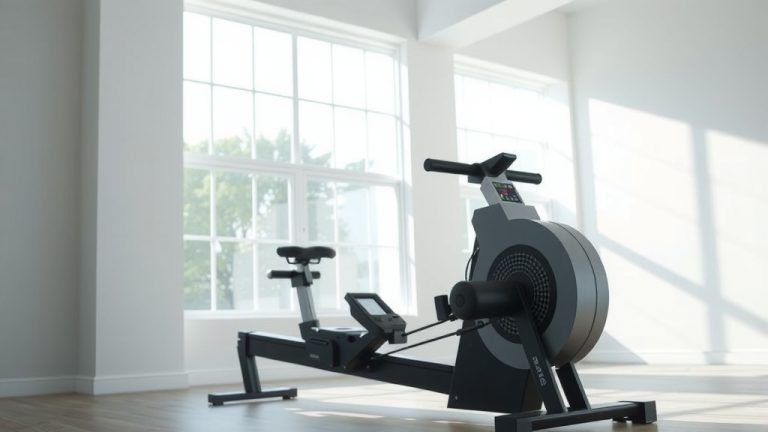
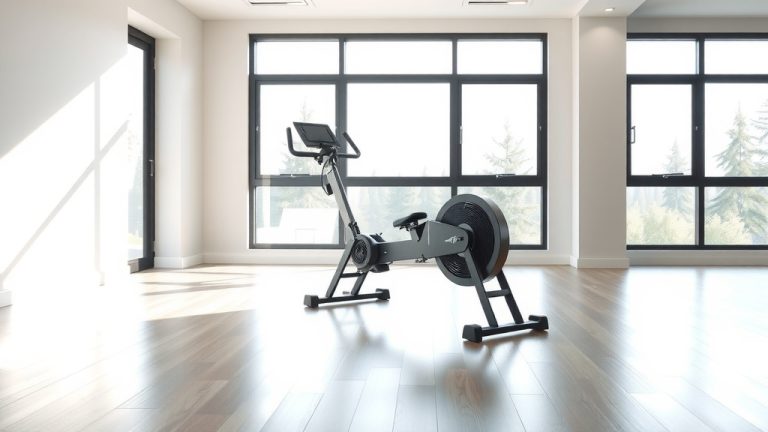
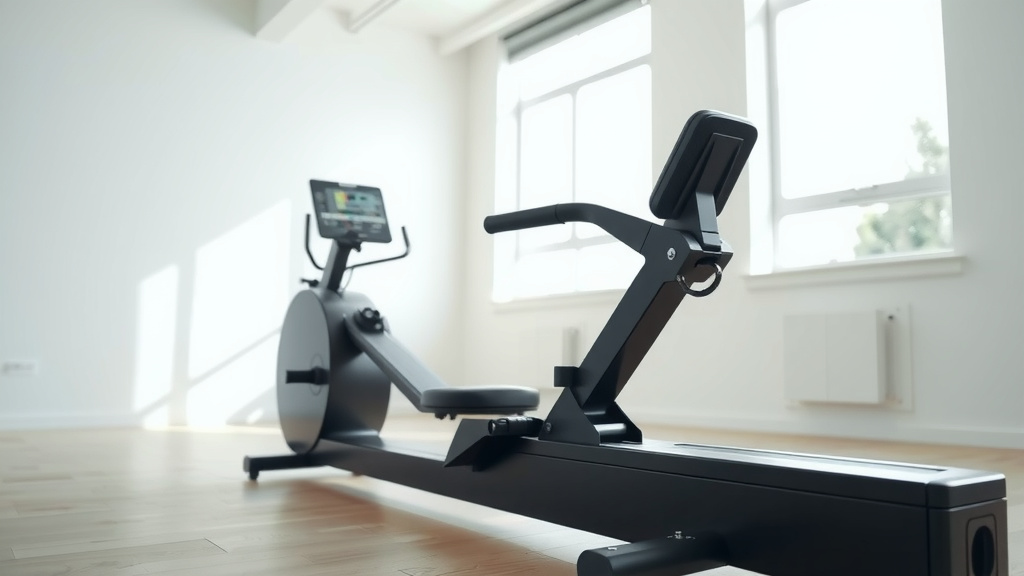
A rowing machine works many muscle groups, which is fantastic for fitness. You use your legs, back, and arms. But your core muscles are also very active during rowing.
The “catch” and “drive” phases involve a forward lean and then pulling back. This motion creates intra-abdominal pressure. This pressure can push outward on your abdominal wall, right where the separation is.
Why Rowing Can Be Risky
When you lean forward at the catch, your core lengthens. Then, as you drive back, your core shortens. This constant stretching and contracting can stress the linea alba. Many experts say this can prevent the tissue from healing effectively (Mayo Clinic).
We found that poor form during rowing often leads to more abdominal bulging. This bulging is a sign that your core is not managing the pressure well. It’s a red flag for diastasis recti.
Listen to Your Body: Signs of Trouble
How do you know if an exercise is making DR worse? Look for these signs:
- A visible bulge or “doming” along your midline.
- New pain or discomfort in your back or abdomen.
- Feeling weaker in your core, not stronger.
- Peeing a little when you cough or sneeze (pelvic floor strain).
If you notice any of these, stop the exercise. Your body is trying to tell you something important.
Seeking Professional Guidance First
Before you jump back on the rower, speak with a professional. A pelvic floor physical therapist is your best friend here. They specialize in core and pelvic health.
They can assess your diastasis recti accurately. They will also guide you through safe exercises. This personalized plan is crucial for your recovery.
What a Pelvic Floor PT Might Do
Your therapist will check the width and depth of your separation. They will teach you how to engage your deep core muscles correctly. This often starts with gentle breathing exercises.
They might use a “gently does it” approach. Progressing too fast can be counterproductive. Trust their expertise; they want you to heal properly.
Building a Safe Core Foundation
Before any high-intensity exercise, you need a strong foundation. This means strengthening your transverse abdominis (TVA). The TVA is your body’s natural corset.
Exercises like pelvic tilts, heel slides, and gentle core breathing are excellent starting points. These help you learn to activate your deep core without straining the superficial muscles.
Diastasis Recti-Friendly Core Exercises
Here are some examples of exercises that support DR healing:
| Exercise | Benefit |
|---|---|
| Deep Core Breathing | Activates TVA, reduces pressure |
| Pelvic Tilts | Gentle core engagement, spinal mobility |
| Heel Slides | Strengthens core without strain |
| Bird-Dog (modified) | Improves stability and coordination |
When Can You Return to Rowing?
Returning to rowing depends on your individual healing process. There’s no fixed timeline. Your physical therapist will give you the green light when your core is stable and strong enough.
They will likely test your ability to generate intra-abdominal pressure safely. You must also be able to maintain proper core engagement throughout the entire rowing motion.
Tips for Reintroducing Rowing
Once cleared, start slowly. Think about it like a gentle re-entry. Here are some steps:
- Check your form: Focus on perfect technique over speed or power.
- Use lower resistance: Light resistance places less strain on your core.
- Short intervals: Begin with short bursts of rowing, then rest.
- Listen for bulging: If you see doming, stop immediately.
- Warm-up your core: Activate your deep core before you start.
Prioritizing Long-Term Health Over Quick Gains
It’s natural to want to get back to your favorite workouts. But with diastasis recti, patience is a true virtue. Rushing your recovery can lead to setbacks. It might even make the separation harder to heal in the long run.
Your goal is a strong, functional core that supports you in all activities. This might mean adjusting your fitness journey for a while, but it’s worth it.
Conclusion
While a rowing machine is a fantastic full-body workout, it’s generally not recommended if you have diastasis recti. The movements can put undue strain on your already compromised abdominal muscles. Prioritize healing and rebuilding your deep core strength under the guidance of a pelvic floor physical therapist. Once cleared, you can gradually reintroduce rowing with careful attention to form and any signs of strain. Your long-term core health truly depends on this careful, step-by-step approach.
Can I do any core exercises with diastasis recti?
Yes, absolutely! You should focus on specific deep core exercises like deep breathing, pelvic tilts, and gentle transverse abdominis activation. A pelvic floor physical therapist can guide you to the right movements for your stage of healing.
What is “doming” and why is it bad for DR?
Doming is when your abdominal muscles push outwards, creating a visible ridge or bulge along your midline, especially during certain movements or exertion. It’s a sign that your core isn’t managing pressure properly and is putting stress on the separated tissues, which can hinder healing.
Are all types of planks bad for diastasis recti?
Traditional planks often create too much intra-abdominal pressure, which can worsen DR. However, modified planks or specific core-engagement exercises taught by a physical therapist may be introduced as your core strength improves. Always get professional advice first.
How long does it take for diastasis recti to heal?
Healing time for diastasis recti varies greatly for everyone. Factors like the severity of the separation, consistency with exercises, and individual body response all play a role. It can range from a few months to over a year. Patience and consistent, correct work are key.
Can I use a waist trainer or binder for diastasis recti while exercising?
Some experts suggest light support from a binder for daily activities to provide gentle compression. However, a binder should not replace core strengthening exercises. It’s not a magical fix and should only be used under the guidance of a healthcare professional, especially during exercise, as it can sometimes hinder natural core engagement.