
Can You Get a Good Workout on a Cheap Rowing Machine?
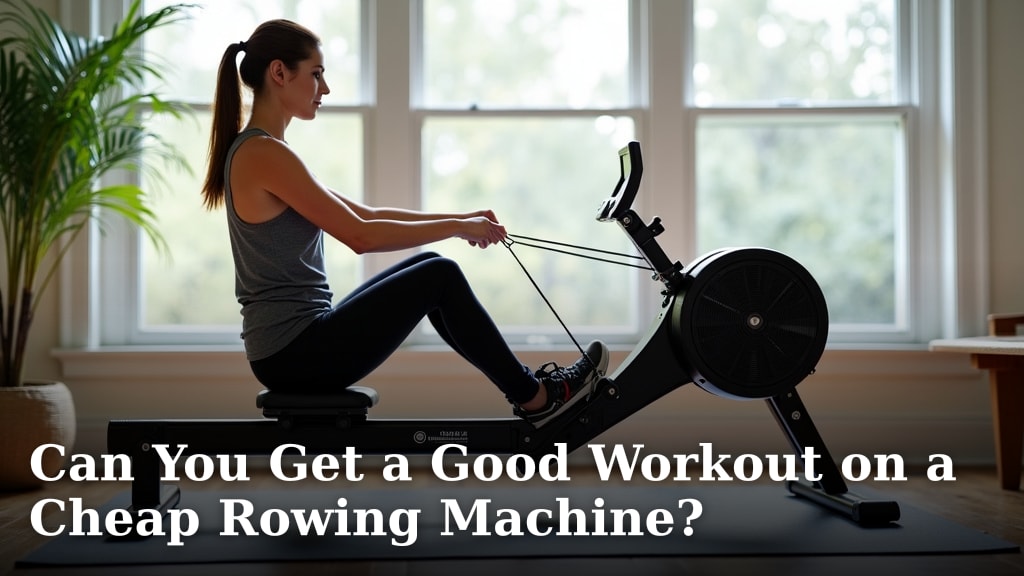
Yes, you can absolutely get a good workout on a cheap rowing machine. While high-end models offer advanced features, even budget-friendly rowers provide an effective way to improve your cardiovascular health and build muscle. You just need to know what to look for.
Many people worry that a less expensive machine won’t offer a real challenge. We found that most basic rowers deliver a solid, full-body workout. You can still expect to work your legs, core, and upper body effectively. It’s all about proper technique and consistent effort.
- Yes, cheap rowers work for a full-body workout.
- Focus on proper form for the best results.
- You can still boost your cardio and strength.
- Consider your fitness goals when choosing.
- Basic models are a great starting point.
Let’s walk through what makes a budget rower a good choice and how you can maximize your training sessions.
Getting a Solid Workout on a Budget Rower
You might be wondering if a cheaper rowing machine can really deliver the kind of workout you’re looking for. We’ve looked into it, and the answer is a resounding yes. While the latest models boast all the bells and whistles, even basic rowers can provide a fantastic full-body exercise.
The key isn’t necessarily the price tag, but rather how you use the machine. With the right technique and consistent effort, you can achieve impressive fitness gains. Let’s dive into what makes a budget rower a great option.
Understanding Rowing Machine Mechanics
Rowing machines work by simulating the motion of rowing a boat. This motion engages a wide range of muscle groups, making it an excellent choice for a comprehensive workout. Whether you’re aiming to improve cardiovascular health or build strength, a rower can help.
The Muscle Groups You’ll Work
Think of rowing as a full-body activity. Your legs do a lot of the heavy lifting, pushing you away from the footrests. Your core muscles stabilize your body throughout the movement. Then, your back and arms pull the handle towards you.
- Legs: Quadriceps, hamstrings, glutes.
- Core: Abdominals, obliques, lower back.
- Upper Body: Back muscles (lats, rhomboids), biceps, shoulders.
Cardiovascular Benefits
Rowing is a fantastic way to get your heart pumping. It’s a great cardio exercise that can significantly improve your endurance and overall heart health. Consistent rowing sessions can lead to a stronger heart and lungs (CDC).
Research shows that regular aerobic exercise like rowing can help reduce the risk of heart disease and stroke. It also plays a role in managing blood pressure and cholesterol levels. So, even a simple machine can contribute to a healthier cardiovascular system.
What to Look for in an Affordable Rower
When you’re on a budget, you need to be smart about what you’re buying. Not all cheap rowers are created equal, so it’s worth knowing what features matter most for a good workout experience.
Resistance Types on Budget Models
Rowing machines use different methods to create resistance. Understanding these will help you choose a machine that offers a satisfying challenge.
Air Resistance Rowers
These machines use a fan to create resistance. The faster you row, the more air the fan moves, and the harder the workout becomes. They tend to be a bit noisier but offer a smooth, natural feel. Many budget air rowers provide a good, scalable resistance.
Magnetic Resistance Rowers
Magnetic rowers use magnets to create tension. They are generally quieter than air rowers and offer a very smooth and consistent feel. Many entry-level magnetic rowers allow you to adjust the resistance manually, giving you control over your workout intensity.
Water Resistance Rowers
These mimic the feel of rowing on water, using a paddle in a tank of water to create resistance. While they can be quite effective, they are less common in the truly budget-friendly category. If you find one, they offer a unique and satisfying workout.
Durability and Build Quality
Even a cheap machine needs to be sturdy. You want something that feels stable when you’re rowing hard. Look for machines with a solid frame, often made of steel. Check reviews for comments on wobbling or instability during use.
A good frame means your rower will last longer and feel safer. It prevents unnecessary wear and tear. We found that many brands offer surprisingly durable frames even at lower price points. Pay attention to weight limits as well; choose a rower that can comfortably support your weight.
Basic Console Features
Don’t expect fancy touchscreens or pre-programmed workouts on a basic rower. However, a functional console is still important. It should track essential metrics like distance, time, strokes per minute (SPM), and calories burned. These numbers help you monitor your progress and stay motivated.
Some budget consoles might have basic interval programs, which can be a nice bonus. But the core function is tracking your performance. A clear, easy-to-read display is a must, especially if you plan to track your workouts over time.
Maximizing Your Workout on a Budget Rower
So, you’ve got your affordable rower. Now, how do you make sure you’re getting the best possible workout from it?
The Importance of Proper Form
This is where the magic happens, regardless of the rower’s price. Correct form ensures you’re working the intended muscles and prevents injuries. Poor form can lead to back strain or other issues, no matter how expensive your machine is.
Here’s a simple breakdown of the rowing stroke:
- Catch: Lean forward slightly, arms extended, shins roughly vertical.
- Drive: Push with your legs, keeping your back straight. Extend your legs fully.
- Finish: Lean back slightly, pull the handle towards your chest, engaging your core and upper back.
- Recovery: Extend your arms first, then lean forward from the hips, and finally bend your knees to return to the catch position.
Many resources, including fitness organizations, offer detailed guides and videos on proper rowing technique. Spending just a few minutes each session focusing on your form can make a huge difference.
Setting Realistic Goals
What do you want to achieve with your rowing workouts? Are you aiming for weight loss, improved stamina, or just general fitness? Setting clear goals helps you tailor your workouts and stay motivated. You can start small and gradually increase intensity or duration.
For example, if your goal is endurance, focus on longer sessions at a moderate pace. If it’s strength and power, incorporate shorter, more intense intervals. Your budget rower can help you achieve various fitness objectives with the right approach.
Using Intervals for Intensity
Interval training is a fantastic way to boost your workout intensity and calorie burn, even on a basic machine. You can easily create your own intervals.
Try this simple interval structure:
- Row hard for 30 seconds.
- Recover with slower rowing for 60 seconds.
- Repeat this for 10-15 minutes.
As you get fitter, you can adjust the work-to-rest ratio, making the work periods longer or the rest periods shorter. This is a proven method for improving cardiovascular fitness and endurance (NIH).
Consistency is Key
The most effective workout is the one you actually do. A cheap rowing machine is useless if it sits in the corner collecting dust. Aim for consistency, even if it’s just 15-20 minutes a few times a week. Building a habit is more important than having the fanciest equipment.
We found that users who commit to a regular schedule see the most significant improvements. Small, consistent efforts add up over time, leading to lasting health benefits. Your budget rower is a tool; your commitment is what brings it to life.
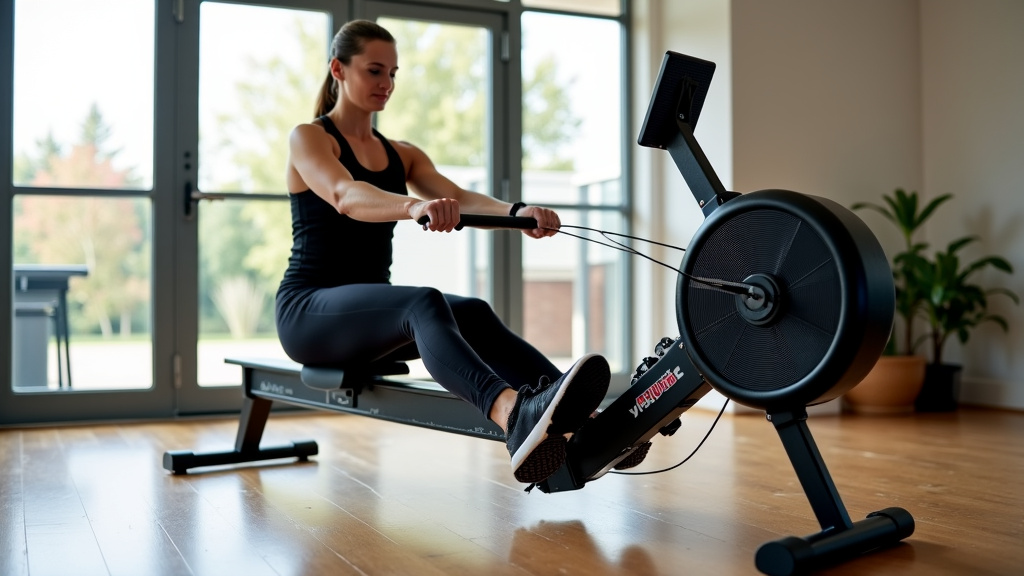
When a Budget Rower Might Not Be Enough
While we’ve established that a cheap rower can provide an excellent workout, there are a few scenarios where you might outgrow a basic model or find it lacking.
Advanced Training Programs
If you’re a serious athlete looking for sophisticated training metrics, personalized coaching programs, or competitive online leaderboards, a basic rower might fall short. These features are typically found on higher-end models. They often integrate with apps and offer detailed performance analytics.
Specific Resistance Needs
Some individuals may require very specific types of resistance or very high levels of it that budget models don’t offer. For example, elite athletes might need machines capable of producing extreme resistance for power training. Basic rowers are designed for a general fitness audience and may not meet these specialized demands.
Durability for Heavy Use
If you plan on rowing multiple hours a day, every day, a budget machine might not hold up as well as a commercial-grade model. While many budget rowers are quite durable for home use, they may not be built for the rigors of constant, heavy use. Reading reviews about long-term durability is important in these cases.
Checklist for Your Budget Rower Workout
Here’s a quick checklist to help you get the most out of your affordable rowing machine:
- Focus on Form: Always prioritize correct technique over speed or power.
- Warm Up Adequately: Spend 5 minutes on light cardio and dynamic stretches.
- Set Daily/Weekly Goals: Aim for a certain duration, distance, or number of sessions.
- Vary Your Workouts: Mix steady-state rowing with interval training.
- Track Your Progress: Use the console to monitor your performance and improvements.
- Listen to Your Body: Don’t push through pain; rest when needed.
Conclusion
So, can you get a great workout on a budget rowing machine? Absolutely. We’ve shown that with the right technique and a consistent effort, even an affordable rower can deliver impressive results. You can effectively target major muscle groups and boost your cardiovascular health without breaking the bank. Remember, the machine is just a tool; your dedication and proper form are what truly power your fitness journey. Start with realistic goals, mix up your workouts, and let your commitment drive your progress. Your path to a fitter you is within reach, even with a budget-friendly rower.
Frequently Asked Questions
How do I know if my cheap rower is sturdy enough?
Look for a solid frame, often made of steel, and check user reviews for comments about wobbling. Ensure the machine comfortably supports your weight based on its listed capacity. A stable frame is key for both safety and an effective workout.
What’s the difference between air and magnetic resistance on budget rowers?
Air rowers use a fan, getting harder the faster you go, and can be noisier. Magnetic rowers use magnets for smoother, quieter resistance, usually with manual adjustments. Both offer a good workout, so it often comes down to personal preference.
Is it okay to use my budget rower every single day?
For most people, using a budget rower a few times a week is perfectly fine. If you plan on extremely heavy daily use, a more robust, higher-end model might be better for long-term durability. Listen to your body and ensure proper recovery.
Can a cheap rower help me lose weight?
Yes, a budget rower can definitely help with weight loss. Rowing provides an excellent cardiovascular workout that burns calories. Combine consistent rowing sessions with a healthy diet, and you’ll see progress. Focus on interval training for an extra calorie-burning boost.
What are the basic console features I should look for on an affordable rower?
Even basic consoles should track essential metrics like distance, time, strokes per minute (SPM), and calories burned. These numbers are vital for monitoring your progress and staying motivated. A clear, easy-to-read display is a must-have.
