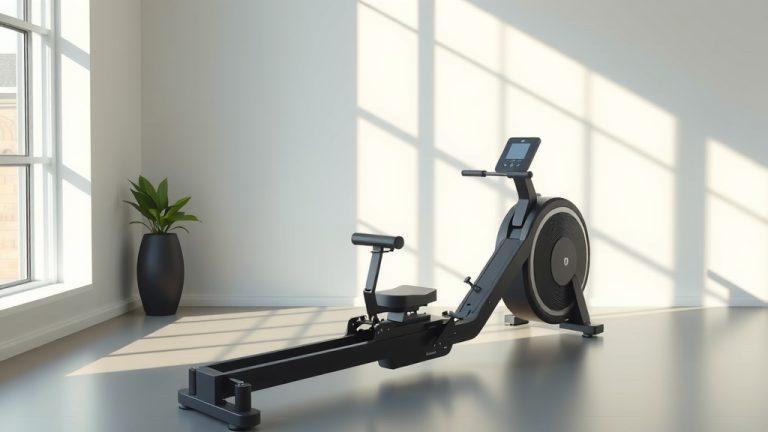
Can You Keep A Rowing Machine Outside?
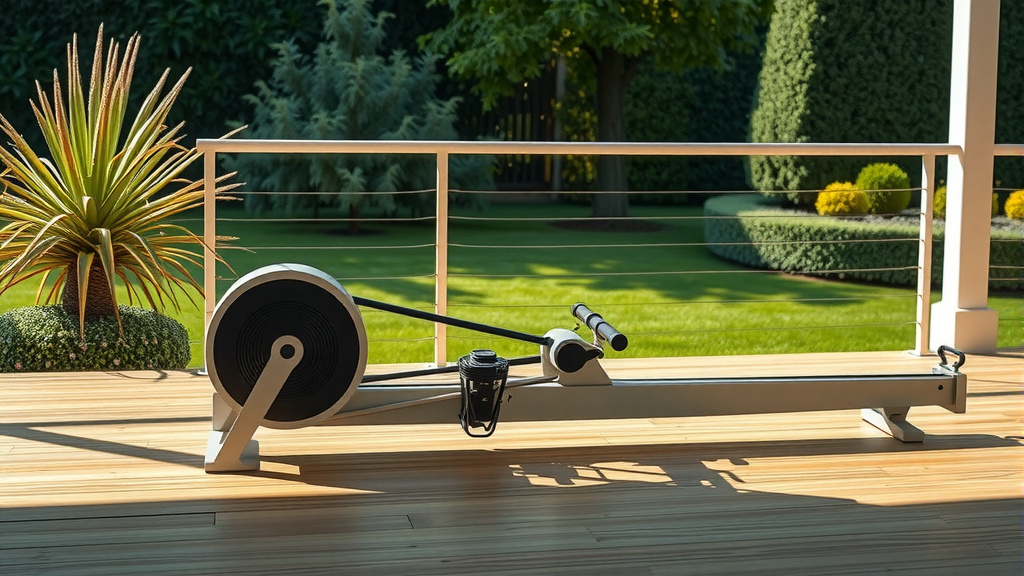
Generally, no, you shouldn’t keep your rowing machine outside long-term. Exposure to elements like rain, sun, and temperature changes can cause significant damage and shorten its lifespan.
While a rowing machine might tolerate a brief outdoor workout, it’s not designed for continuous outdoor storage, regardless of the model or its build quality.
- Long-term outdoor storage for rowing machines is generally a bad idea.
- Weather elements like rain, sun, humidity, and extreme temperatures cause severe damage.
- Rust, fading, material degradation, and electronic malfunctions are common risks.
- It’s best to store your rower indoors in a cool, dry place to protect your investment.
Can You Keep A Rowing Machine Outside?
No, you cannot keep a rowing machine outside for extended periods without risking severe damage. It’s built for indoor use, and the outdoor environment will quickly degrade its components.
You might love the idea of an outdoor workout, feeling the breeze and sunshine. However, your rowing machine is a precision piece of equipment. Outdoor conditions are simply too harsh for it to thrive.
The Enemies of Your Rowing Machine Outdoors
Leaving your rower outside exposes it to a gauntlet of destructive forces. Think of it like leaving your delicate electronics out in a storm. It just won’t end well for your machine.
Rain and Moisture: The Rust Monster
Water is the number one enemy of most fitness equipment. Rain causes metal parts to rust, seizing up critical mechanisms. Even high humidity, without direct rain, can corrode internal components over time.
We found that constant exposure to moisture can also lead to mold and mildew growth. This isn’t just unsightly; it can also affect the machine’s internal workings and your health (Mayo Clinic).
Sunlight and UV Rays: Fading and Cracking
The sun might feel good on your skin, but its ultraviolet (UV) rays are brutal on plastics and rubber. Over time, UV light will fade colors and cause materials to become brittle and crack. This affects seats, handles, and foot straps.
Research often connects prolonged UV exposure with the breakdown of polymers and dyes. Your machine will look old before its time and feel less comfortable to use (NIH).
Temperature Extremes: Warping and Malfunctions
Rowing machines are designed for stable room temperatures. Extreme heat can warp plastic parts and degrade lubricants. Extreme cold makes metals brittle and can damage electronic displays. These swings are incredibly damaging.
Many experts say that rapid temperature changes can even cause condensation inside electronic components. This hidden moisture then leads to electrical shorts and failures. Nobody wants a broken display!
Dust and Debris: Grime and Grit
Outdoors, your rower is a magnet for dust, pollen, leaves, and insects. This grime gets into the flywheel, slides, and moving parts. It can cause friction, wear, and tear, leading to rougher, noisier operation.
We found that cleaning an outdoor rower becomes a constant battle. Fine particles can also block vents and openings, potentially leading to overheating in electronic models.
What About Covered Patios or Garages?
A covered patio offers *some* protection from direct rain and sun, but not from humidity or temperature swings. A garage might shield it from elements, but still faces issues with dust and extreme temperatures if not climate-controlled.
Even in a seemingly safe spot, condensation can still develop on metal parts. Think of a cold drink glass on a hot day. The same principle applies, leading to slow but steady damage to your equipment.
Specific Rowing Machine Types and Outdoor Use
Does the type of rower make a difference? Not much for long-term outdoor storage, we found.
-
Water Rowers: The water tank can grow algae or freeze/thaw, causing tank damage. The wooden frame (if applicable) will warp and rot.
-
Air Rowers: Dust and debris will quickly clog the flywheel, ruining the smooth resistance. The monitor is also highly vulnerable to moisture.
-
Magnetic Rowers: While magnetic resistance is sealed, the console and seat rail are still susceptible. Magnets can also weaken in extreme heat.
The Hidden Costs of Outdoor Storage
You might think you’re saving space indoors, but you’re probably just spending more in the long run. The cost of repairs or premature replacement far outweighs any temporary convenience. Your investment deserves protection.
How to Use Your Rower Outdoors Safely (Temporarily)
Okay, so you really want to row outside *sometimes*. Here’s how to do it with minimal risk:
| Scenario | Best Practice |
|---|---|
| Quick Workout | Carry it out, use it, carry it straight back inside. |
| Sunny Day | Place in shade, or use an outdoor fitness mat. Avoid peak sun hours. |
| Slight Breeze | Great! Just ensure no dust or pollen is heavy in the air. |
| Rain Threat | Absolutely do not take it out. Water damage is instant. |
| Storing | ALWAYS store indoors, in a dry, room-temperature spot. |
Essential Checklist for Temporary Outdoor Use
- Check the weather forecast for no rain or high humidity.
- Find a shaded, level spot on a clean, dry surface.
- Wipe down the machine immediately after use to remove sweat.
- Bring it indoors as soon as your workout is done.
- Never leave it unattended outside, even for a short time.
- Consider a protective cover for transit, but not for storage.
Finding an Indoor Home for Your Rower
Many rowing machines are designed to be stored vertically. This can be a great space-saver in apartments or smaller homes. Look for models with transport wheels for easy movement.
Consider a dedicated corner in your living room, a spare bedroom, or a dry basement. The ideal spot is cool, dry, and clean, away from direct sunlight and extreme temperatures.
Conclusion
While the allure of an outdoor workout is strong, the harsh reality is that rowing machines are not built for outdoor living. The elements will quickly degrade your machine, leading to costly repairs or a complete loss of your investment. Protect your rower by always storing it indoors in a stable, dry environment. Your fitness equipment will thank you by providing many years of reliable performance.
Can I use a waterproof cover to protect my rowing machine outside?
A waterproof cover might protect from direct rain, but it won’t prevent humidity or condensation from damaging your machine. It also won’t shield it from temperature extremes, which can still warp parts and degrade electronics. Long-term outdoor storage, even with a cover, is not recommended.
How do outdoor conditions affect the warranty of my rowing machine?
Most manufacturers’ warranties specifically state that damage resulting from outdoor exposure or improper storage is not covered. Keeping your rowing machine outside will almost certainly void your warranty, leaving you responsible for any repair costs.
What’s the ideal indoor environment for storing a rowing machine?
The ideal indoor environment is a stable room temperature, low humidity, and a clean, dry space. Avoid areas with extreme temperature fluctuations, like uninsulated garages or basements, unless they are climate-controlled. A spare room, living room corner, or a heated basement is usually suitable.
Are there any rowing machines specifically designed for outdoor use?
We found that there are virtually no consumer-grade rowing machines designed for permanent outdoor installation and use. Commercial-grade outdoor fitness equipment does exist, but it’s typically much more robust, weather-sealed, and significantly more expensive, focusing on public park settings rather than home use.
My rowing machine got wet in the rain; what should I do?
If your rowing machine accidentally gets wet, immediately bring it indoors to a dry area. Wipe down all surfaces thoroughly with a dry cloth. If it’s an electronic model, remove the batteries and let the console air dry completely for at least 48 hours before attempting to use it. Do not force dry with heat, as this can cause further damage. If it still doesn’t work, contact the manufacturer for advice.