
Can You Row with Bad Knees?

Yes, you absolutely can row with bad knees, but you need to be smart about it. Rowing can even be a fantastic, low-impact exercise option for you. Many people find it helps build strength without pain.
We understand your concern about knee pain. It can feel like many exercises are off-limits. The good news is that with the right technique and modifications, rowing can be a gentle yet effective workout for your entire body.
TL;DR:
- Rowing is often safe for bad knees.
- Proper technique is key to avoiding pain.
- Adjusting your form can make a big difference.
- Equipment setup matters for comfort.
- Always listen to your body and its signals.
Let’s dive into how you can make rowing a comfortable and beneficial part of your fitness routine, even with knee issues.
Rowing with Knee Conditions: What You Need to Know
You’re probably wondering if rowing is even an option for your knees. We found that for many common knee conditions, rowing can be not only safe but also beneficial. It’s all about understanding how rowing affects your joints and making smart choices.
Understanding Common Knee Issues and Rowing
Knee pain often comes from conditions like osteoarthritis, patellofemoral pain syndrome (runner’s knee), or even recovering from a meniscus injury. These conditions can make high-impact activities feel impossible. You might feel a sharp pain or a dull ache. This is where rowing shines as a low-impact exercise.
Osteoarthritis and Rowing
If you have osteoarthritis, your joint cartilage is wearing down. Impact sports can worsen this. Rowing, however, allows your joints to move through a full range of motion without bearing your full body weight. This can help lubricate the joint and strengthen surrounding muscles, which is vital for support (Arthritis Foundation).
Patellofemoral Pain Syndrome (Runner’s Knee)
This condition involves pain around your kneecap. It’s often caused by muscle imbalances or overuse. Rowing can help strengthen your quadriceps and glutes, which are key muscles for knee stability. Proper form is crucial to avoid putting too much stress on the kneecap during the drive phase.
Meniscus Tears and Recovery
A meniscus tear can be very painful. Depending on the severity and recovery stage, your doctor might recommend low-impact activities. Rowing can be excellent for maintaining fitness while your knee heals. Always get clearance from your doctor or physical therapist before you start.
The Science Behind Low-Impact Exercise for Knees
Why do doctors and physical therapists often recommend low-impact activities for bad knees? It comes down to reducing stress on your joints. High-impact exercises, like running or jumping, send shockwaves through your joints with each step. This can aggravate existing conditions.
Low-impact activities, like rowing, cycling, or swimming, avoid these jarring forces. Your joints move smoothly, promoting blood flow and nutrient delivery without excessive compression. This helps reduce inflammation and can even aid in tissue repair.
Mastering Your Rowing Technique for Knee Health
This is where the magic happens! Proper rowing technique is the single most important factor for protecting your knees. Many people mistakenly think rowing is all arms. It’s actually a leg-driven movement.
The Four Phases of the Rowing Stroke
Imagine your rowing stroke like a dance with four distinct steps: the catch, the drive, the finish, and the recovery. Each step needs your attention to keep your knees happy.
The Catch
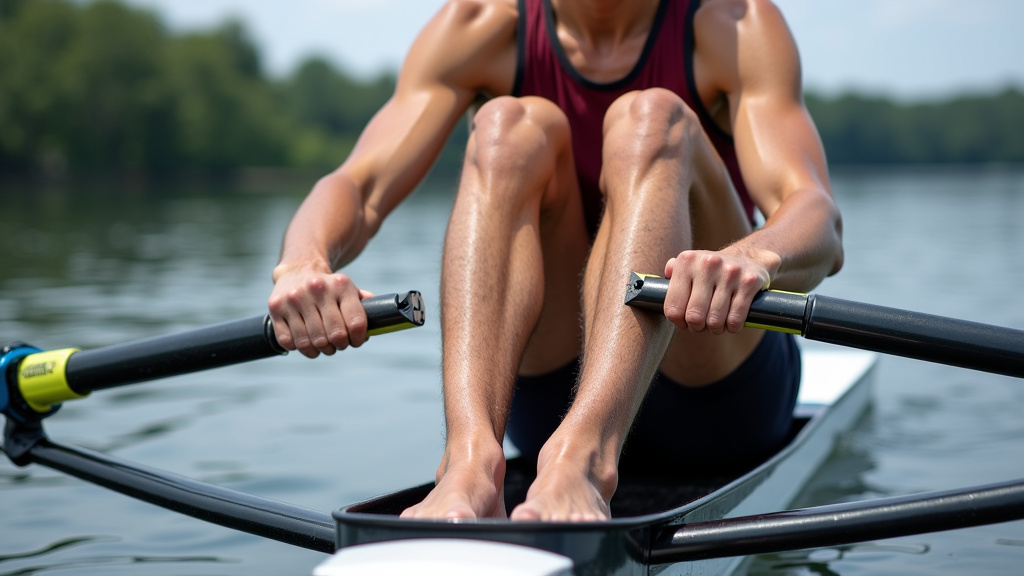
At the catch, you’re at the front of the machine, ready to start. Your shins should be vertical, or very close to it. Your heels might lift slightly. We found that pushing too far forward here can overflex your knees. This puts them in a vulnerable position. So, don’t overcompress.
The Drive
This is the power phase, and it’s all about your legs. Push off the foot stretchers with your legs first. Think about pushing your feet through the floor. Your core engages, then your back swings, and finally, your arms pull. This sequence is vital for protecting your knees and maximizing power. Don’t pull with your arms too early.
The Finish
At the finish, your legs are extended, your body is leaning back slightly, and the handle is at your lower ribs. Your knees should be fully extended but not locked out. Keep a slight bend to avoid hyperextension.
The Recovery
This is the reverse of the drive. Arms extend first, then your body swings forward, and finally, your knees bend to slide you back to the catch position. Control this movement. Don’t let your knees bend too quickly or aggressively.
Common Mistakes to Avoid with Bad Knees
- Pushing too hard with your knees at the start: Your legs should push, not just your knees.
- Over-compressing at the catch: Don’t let your glutes touch your heels. This creates extreme knee flexion.
- Locking out your knees at the finish: Always keep a micro-bend.
- Bending knees too early on recovery: Allow your body and arms to move before your knees start bending.
Setting Up Your Rowing Machine for Comfort
Your machine setup can make a huge difference for your knees. A few adjustments can go a long way in preventing discomfort.
Foot Stretcher Placement
Most rowers allow you to adjust the height of the foot stretchers. Experiment with this. For some, lowering the foot stretchers can reduce knee compression at the catch. For others, a slightly higher position feels better. Your goal is to find a spot where your shins are near vertical at the catch without excessive knee bend (Cleveland Clinic).
Seat Height and Cushioning
While most rower seats have a fixed height, you can add a cushion. A thicker cushion might slightly elevate your hips. This can sometimes reduce the depth of your knee bend at the catch, making it more comfortable. Just ensure it doesn’t compromise your stability.
Resistance Settings
For individuals with knee issues, we often recommend starting with a lower resistance setting. A lower drag factor or resistance level means less force is required during the drive. This puts less strain on your knees. As your knee strength improves, you can gradually increase the resistance if it feels comfortable.
Listen to Your Body: Your Best Guide
This might sound obvious, but it’s critical. Your body gives you signals. Pay attention to them. Pain is not a badge of honor; it’s a warning system.
When to Modify, When to Stop
If you feel a sharp, stabbing, or persistent pain in your knees while rowing, stop immediately. Don’t try to push through it. Persistent dull aches might mean you need to modify your technique, reduce resistance, or shorten your workout. If the pain continues after modifications, it’s time to consult a healthcare professional. They can offer personalized advice and rule out more serious issues.
The Rower’s Knee Checklist for Success
Before each session, run through this quick checklist to ensure your knees are protected:
- Are my foot stretchers set correctly for my comfort?
- Am I avoiding excessive knee compression at the catch?
- Am I initiating the drive with my legs first?
- Am I keeping a slight bend in my knees at the finish?
- Am I controlling the recovery phase smoothly?
- Am I listening to my body for any signs of discomfort?
Comparing Rowing to Other Exercises for Bad Knees
You have options! It’s good to know how rowing stacks up against other knee-friendly activities. This can help you create a balanced fitness routine.
| Exercise Type | Knee Impact Level | Benefits for Knees | Considerations |
|---|---|---|---|
| Rowing | Very Low | Strengthens quads, hamstrings, glutes; full-body workout. | Requires proper technique; machine setup is key. |
| Swimming | Extremely Low | Non-weight bearing; builds cardiovascular fitness. | Some strokes (breaststroke kick) can aggravate knees. |
| Cycling (Stationary) | Low | Strengthens quads; good cardio; adjustable resistance. | Seat height and pedal stroke must be correct. |
| Elliptical | Low to Moderate | Weight-bearing but gliding motion; full body. | Can still cause knee pain if form is poor or resistance too high. |
| Walking (Brisk) | Moderate | Natural movement; builds bone density. | Surface matters (soft trails better); can aggravate pain over time. |
As you can see, rowing offers a unique blend of full-body engagement and very low knee impact. It allows you to build strength and endurance without the pounding that often comes with other exercises. It’s truly a fantastic addition to your fitness journey, even with knee challenges.
Conclusion
You’ve seen that rowing offers a powerful path to fitness, even with knee issues. By focusing on proper technique, adjusting your machine, and truly listening to your body, you can enjoy a full-body workout that strengthens muscles without stressing your joints. Don’t let knee pain hold you back from building strength and improving your cardiovascular health.
Your journey to pain-free fitness can include the rower. Take what you’ve learned here, apply it to your routine, and always prioritize your comfort. If you’re ever in doubt, a quick chat with your doctor or physical therapist is a smart next step to ensure rowing is right for you.
Frequently Asked Questions
Can rowing help strengthen my knees?
Yes, rowing can absolutely help strengthen the muscles around your knees, like your quadriceps and glutes. These stronger muscles provide better support for your knee joints, which can reduce pain and improve stability over time.
What if I feel a “clicking” in my knees while rowing?
A clicking sound without pain is often harmless, but if it’s accompanied by pain or discomfort, stop and reassess your technique. Ensure you’re not over-compressing at the catch or locking your knees at the finish. If pain persists, consult a healthcare professional.
Is high resistance better for strengthening my knees?
Not necessarily, especially when starting with bad knees. Begin with a lower resistance setting to perfect your form and reduce strain. As your knee strength improves and you feel comfortable, you can gradually increase resistance if desired.
Can rowing cause new knee problems?
If done incorrectly, rowing can potentially aggravate existing knee issues or even lead to new ones. The most common culprits are over-compression at the catch, locking out your knees, or using too much resistance too soon. Proper form is your best defense.
How often should I row with bad knees?
Start with shorter, less frequent sessions, perhaps 2-3 times a week for 15-20 minutes, to see how your knees respond. Gradually increase duration and frequency as your body adapts and your knees feel comfortable. Always listen to your body’s signals.
