
Can You Use a Rowing Machine for HIIT Sprints?
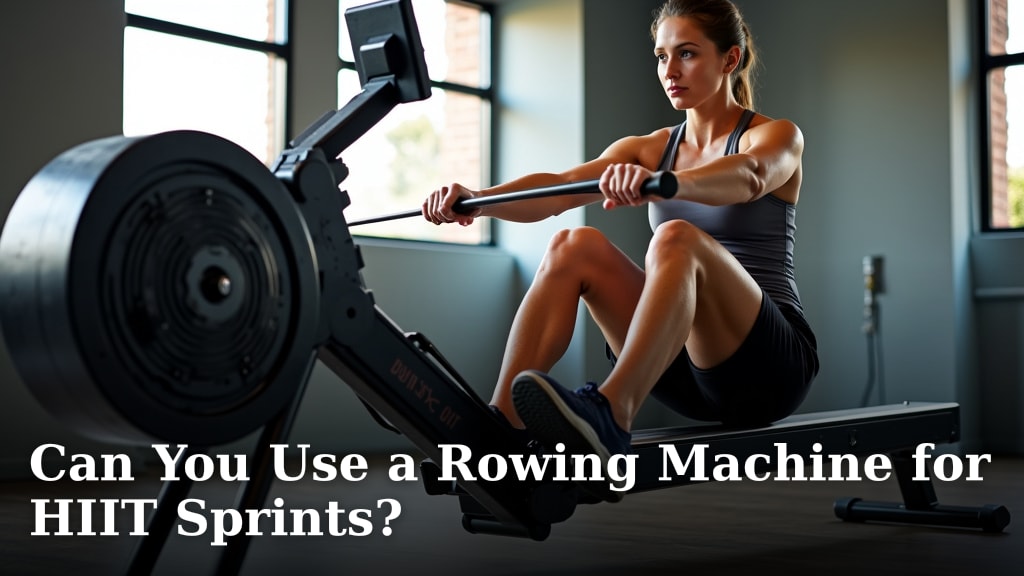
Yes, you absolutely can use a rowing machine for HIIT sprints! It’s a fantastic way to get a killer workout. You can easily use the rower’s resistance and your own power to create intense bursts of effort. Many find it a highly effective cardio and strength combination.
Rowing machine HIIT workouts are great for building endurance and boosting your metabolism. You’ll target multiple muscle groups at once. This means you get more bang for your buck in a shorter workout time. It’s a great option for when you’re short on time but still want a powerful session.
- Yes, rowing machines are great for HIIT sprints.
- You can create intense bursts of effort easily.
- Rowing HIIT builds endurance and boosts metabolism.
- It targets multiple muscle groups effectively.
- Get a powerful workout in less time.
Ready to dive into how you can structure these sprints on your rower? Let’s get started and make your next workout your best one yet.
Rowing Machine Workouts for High-Intensity Interval Training
You’re probably wondering if your trusty rowing machine can handle the intensity of HIIT sprints. The answer is a resounding yes! Many people find rowing machines to be a fantastic tool for interval training. You can easily tailor the resistance and your effort to create short, powerful bursts. This makes it a top-tier option for a quick, effective workout. Learn how HIIT is a fantastic strategy for weight loss, which is a common goal for those doing intense workouts.
Think of it like this: you’re using the machine’s natural resistance. Then, you add your own physical power to push through those intense sprints. It’s a wonderful way to get your heart rate soaring and muscles working hard. You’re not just getting a cardio blast; you’re building strength too. This combination is key to a truly efficient training session.
Why Rowing is a HIIT Champion
Rowing machines offer a unique advantage for HIIT. They provide a full-body workout with every stroke. You’re engaging your legs, core, and upper body simultaneously. This means you burn more calories and build more muscle in a shorter period. It’s efficiency at its finest!
The Cardio and Strength Combo
One of the biggest benefits of rowing for HIIT is its dual nature. It’s excellent for cardiovascular health. But it also demands significant muscular engagement. Research shows that rowing can improve aerobic capacity and muscular endurance (NCBI). This makes it ideal for building both stamina and strength. You get more done with less impact compared to some other forms of exercise.
Low Impact, High Intensity
Worried about pounding on your joints? Rowing is a low-impact activity. This is a huge plus, especially for HIIT where you’re pushing hard. Unlike running, the rowing motion is fluid and seated. This reduces stress on your knees, hips, and ankles. You can focus on giving your all during those sprints without worrying about joint pain later (Cleveland Clinic).
Setting Up Your Rowing HIIT Sprints
Now, let’s get down to the nitty-gritty. How do you actually structure these sprints on your rower? It’s simpler than you might think. The goal is to alternate between maximum effort and recovery. This pushes your body’s limits and then allows it to partially recover.
Understanding the Rowing Machine Console
Your rowing machine’s console is your best friend for HIIT. It tracks your pace, distance, time, and often your power output (watts). You’ll want to get familiar with these metrics. They help you gauge your effort during sprints and recovery periods. Most consoles have pre-set programs, but you’ll likely want to set up a custom interval.
Key Metrics to Watch
Pace: This is usually shown in minutes per 500 meters. Lower numbers mean faster rowing. For sprints, you want your pace to drop significantly. Aim for a pace much faster than your steady-state rowing.
Watts: This is a direct measure of your power output. Higher watts mean you’re producing more force. Sprints should see a spike in your wattage. It’s a great indicator of your peak effort.
Heart Rate: If your machine has a heart rate monitor, use it! HIIT pushes your heart rate into higher zones. You can use this to ensure you’re working hard enough.
Choosing Your Resistance Level
The resistance setting on your rower is crucial. It’s not like a bike where higher resistance always means more effort. On a rowing machine, resistance is often controlled by a damper setting. This adjusts airflow, mimicking rowing on water. A damper setting of 3-5 is common for general training. For sprints, you might adjust this slightly. You want enough resistance to feel powerful. But not so much that you can’t maintain good form at high speed.
Many experts suggest finding a sweet spot. You should feel challenged but able to produce speed. Experimenting is key. What feels intense for one person might be different for another. You’re aiming for a feeling of pushing against significant water resistance. This allows for explosive power transfer.
Structuring Your Rowing HIIT Workouts
The beauty of rowing HIIT is its flexibility. You can adjust work-to-rest ratios based on your fitness level. Here are some popular structures to get you started.
Beginner-Friendly Intervals
If you’re new to HIIT or rowing, start gently. This helps your body adapt and prevents burnout. It also allows you to focus on proper technique. Bad form during high intensity can lead to injury.
- Sprint: 20 seconds at a very high intensity.
- Rest: 40 seconds of very light rowing or complete rest.
- Rounds: Start with 6-8 rounds.
- Total Time: Around 6-8 minutes of sprinting and resting.
As you get fitter, you can increase the sprint duration, decrease the rest, or add more rounds. We found that gradually increasing the sprint time is effective. This builds your capacity for sustained high effort.
Intermediate and Advanced Intervals
Once you’ve built a solid base, you can increase the challenge. These intervals demand more from your cardiovascular system and muscles.
- Sprint: 30 seconds at near-maximal effort.
- Rest: 30 seconds of active recovery (light rowing).
- Rounds: Aim for 8-10 rounds.
- Total Time: Around 10 minutes of sprinting and resting.
Another popular structure is the “Tabata” style, although usually applied to bodyweight exercises. You can adapt it for rowing:
- Sprint: 20 seconds of all-out effort.
- Rest: 10 seconds of rest.
- Rounds: 8 rounds.
- Total Time: 4 minutes per set.
You can perform multiple Tabata sets with a minute or two of rest in between. Many athletes use this to push their anaerobic thresholds. It’s tough but incredibly rewarding!
Longer Sprint Intervals
Some HIIT protocols involve longer sprint durations. These are great for building muscular endurance and mental toughness.
- Sprint: 1 minute at a high, sustainable intensity.
- Rest: 1 minute of easy rowing.
- Rounds: 5-7 rounds.
- Total Time: 10-14 minutes of work and rest.
These longer intervals simulate sustained bursts of effort. They are excellent for training your body to clear lactate more efficiently (Mayo Clinic). You’ll feel the burn, but you’ll also build incredible stamina.

Tips for Maximizing Your Rowing HIIT Sprints
To get the most out of your rowing HIIT, consider these key tips. They’ll help you stay safe, effective, and motivated.
Focus on Proper Form
This cannot be stressed enough. Good form is paramount, especially during intense efforts. Poor form can lead to injury and reduces the effectiveness of your workout.
- The Catch: Hinge at your hips, keeping your back straight. Reach forward with your arms and shins vertical.
- The Drive: Push with your legs first, then swing your body back, and finally pull with your arms.
- The Finish: Lean back slightly, with legs extended and arms pulled to your chest.
- The Recovery: Extend your arms, lean forward from your hips, and bend your knees to return to the catch.
Practicing form at slower speeds is essential. Many rowing machine manufacturers provide technique guides. Watching videos and even filming yourself can help identify areas for improvement.
Warm-Up and Cool-Down are Non-Negotiable
Jumping straight into max effort sprints is a recipe for disaster. Always dedicate time to prepare your body and help it recover.
Warm-Up (5-10 minutes)
Start with light, easy rowing. Gradually increase your intensity. Include some dynamic stretches for your legs, hips, and shoulders. This prepares your muscles and raises your core temperature. Learn how to prepare your body with proper warm-ups before engaging in intense rowing sprints.
Cool-Down (5-10 minutes)
End with slow, easy rowing to bring your heart rate down. Follow this with static stretching. Focus on major muscle groups like your hamstrings, quads, glutes, and back. This aids recovery and can improve flexibility.
Listen to Your Body
HIIT is intense. There will be days you feel strong and days you feel fatigued. Pushing too hard when your body is telling you to rest can lead to overtraining or injury. It’s okay to modify an interval session. Maybe shorten the sprint, lengthen the rest, or do fewer rounds. Your long-term consistency is more important than one single tough workout.
If you experience sharp pain, stop immediately. Don’t try to “work through it.” We found that most experts advise this. It’s always better to be safe than sorry. Consistent, smart training leads to the best results over time.
Vary Your Workouts
To prevent boredom and plateaus, mix up your rowing HIIT. You can change the sprint-to-rest ratios, the total number of intervals, or the duration of each sprint. You can also incorporate different types of rowing sprints. Try a few longer, moderate-intensity sprints one day, and shorter, all-out sprints another.
Consider adding a strength component after your rowing HIIT. For example, you could do a few sets of bodyweight squats or push-ups after your rowing intervals. This adds another layer of challenge and ensures a more comprehensive workout. Variety keeps things fresh and your body guessing!
Incorporating Rowing HIIT into Your Routine
How often should you incorporate rowing HIIT into your fitness plan? For most people, 1-3 sessions per week is a good starting point. Listen to your body and allow for adequate recovery days between high-intensity sessions. Combining rowing HIIT with steady-state cardio and strength training offers a well-rounded fitness approach.
Remember, consistency is king. Even a short, intense rowing HIIT session can make a big difference. It’s about making fitness a sustainable part of your lifestyle. So, hop on that rower and give those sprints a try!
| Level | Sprint Duration | Rest Duration | Number of Rounds | Total HIIT Time (approx.) |
|---|---|---|---|---|
| Beginner | 20 seconds | 40 seconds | 6-8 | 6-8 minutes |
| Intermediate | 30 seconds | 30 seconds | 8-10 | 10 minutes |
| Advanced (Tabata) | 20 seconds | 10 seconds | 8 | 4 minutes (per set) |
| Endurance Focus | 60 seconds | 60 seconds | 5-7 | 10-14 minutes |
Conclusion
You’ve learned that your rowing machine is a phenomenal tool for HIIT sprints. It offers a low-impact, full-body workout that builds both cardio and strength. By understanding your console metrics, adjusting resistance, and structuring your intervals wisely, you can create incredibly effective sessions. Remember to prioritize proper form, warm-up, and cool-down for safety and results. Start with beginner intervals and gradually progress. So, hop on your rower and start crushing those sprints – your fitness will thank you!
Frequently Asked Questions
How do I know if my rowing resistance is right for HIIT sprints?
You’re looking for a sweet spot where you feel challenged but can still generate speed. Experiment with your damper setting; a level that allows you to feel significant water resistance without compromising your form at high speed is ideal. It’s less about the number and more about the feeling of power transfer.
Can I do rowing HIIT sprints every day?
It’s generally not recommended to do intense HIIT sprints every day. Your body needs time to recover and rebuild. Aim for 1-3 rowing HIIT sessions per week, interspersed with rest days or lower-intensity workouts. Listening to your body is key to preventing burnout and injury.
What’s the difference between steady-state rowing and HIIT sprints on a rower?
Steady-state rowing involves maintaining a consistent, moderate pace for a longer duration, focusing on endurance. HIIT sprints, on the other hand, involve short bursts of maximal effort followed by periods of rest or very light activity. They are designed to push your cardiovascular system to its limits in short bursts.
My rowing machine console doesn’t show watts, only pace. How do I measure sprint intensity?
If watts aren’t available, focus on your pace (minutes per 500 meters) and your perceived exertion. During sprints, aim for a pace significantly faster than your usual steady pace. You should feel like you’re expending near-maximal effort – think gasping for air and a feeling of intense muscular fatigue.
How long should my warm-up and cool-down be for rowing HIIT?
A good warm-up for rowing HIIT typically lasts 5-10 minutes. Start with very light rowing and gradually increase intensity, perhaps adding some dynamic stretches. Your cool-down should also be 5-10 minutes, starting with easy rowing and ending with static stretches to aid recovery.
