
Do You Need Shoes to Use a Rowing Machine?
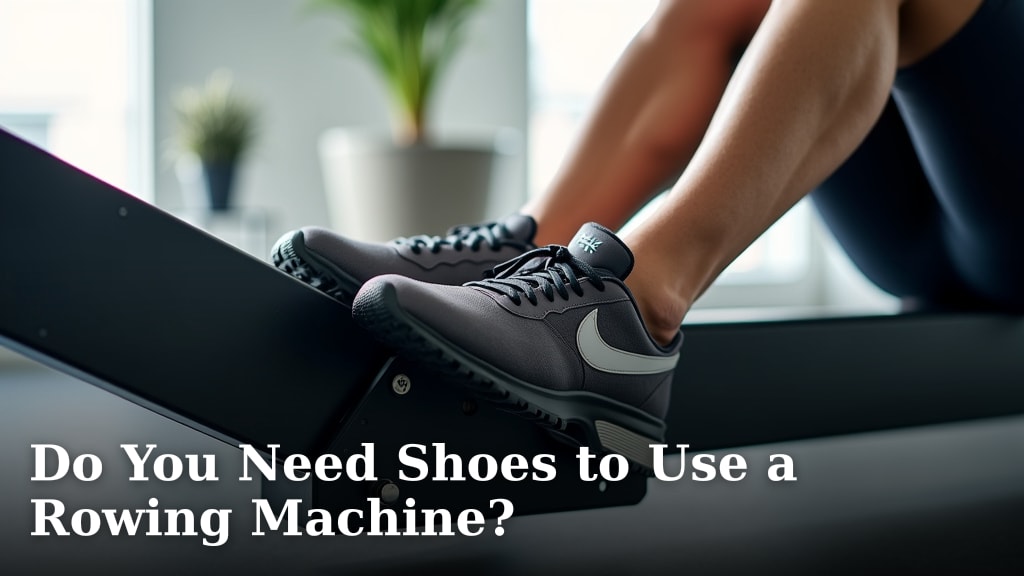
Yes, you generally do need shoes to use a rowing machine. While some people might think bare feet are fine, wearing proper footwear helps protect your feet and ensures a secure connection to the footplates. This is important for both comfort and safety during your workout.
Rowing machines are designed with foot straps or cradles. These are meant to hold your feet in place as you pull. Without shoes, your feet might slip, which can interrupt your workout or even lead to minor injuries. We found that shoes provide the best grip and stability.
- You should wear shoes for rowing machine workouts.
- Shoes protect your feet and provide better grip.
- Bare feet can lead to slipping and discomfort.
- Proper footwear helps you connect securely to the machine.
Let’s walk through exactly why shoes are recommended and what kind of shoes work best for your rowing sessions.
Why You Should Wear Shoes on a Rowing Machine
So, you’re ready to hop on that rowing machine and get a fantastic workout. That’s awesome! Before you do, let’s talk about what’s going on with your feet. Most rowing machines have foot straps or cradles. These are designed to keep your feet securely in place. But do you really need shoes to use them? The short answer is yes, it’s highly recommended.
We found that wearing shoes provides a safer and more effective rowing experience. It’s not just about comfort; it’s about protecting yourself and getting the most out of every stroke. Think of it like wearing a helmet when biking – it’s a safety measure that also improves your ride. Shoes offer a stable platform and prevent slippage.
Protecting Your Feet: The Primary Reason for Footwear
Your feet can take a beating on a rowing machine if you’re not careful. The footplates might have a textured surface. Without shoes, this can cause chafing or irritation, especially during longer workouts. Imagine rubbing your bare heel against rough pavement – not pleasant! Shoes act as a buffer.
Moreover, the foot straps themselves can become uncomfortable when pressed directly against your skin. They are often made of sturdy nylon or Velcro. This material can dig in and cause redness or even blisters over time. We found that a good pair of shoes distributes this pressure more evenly.
Avoiding Abrasions and Blisters
The constant back-and-forth motion of rowing can lead to friction. Your feet might slide slightly even with the straps. This friction can wear down the skin on your heels and the balls of your feet. Shoes offer a smooth surface that reduces this abrasive action. This helps prevent those painful blisters that can sideline your fitness goals.
Shielding from Machine Components
Rowing machines are built to be durable. But sometimes, there are small, hard edges or screws on the footplates or straps. Without shoes, your feet are directly exposed to these. While rare, minor cuts or scrapes are possible. Shoes provide a necessary layer of protection from accidental contact with machine parts.
Improving Your Grip and Stability
A secure connection to the footplates is vital for effective rowing. You need to transfer power efficiently from your legs to the machine. Your shoes play a big role in this connection. They create a better gripping surface than bare skin.
When you push off with your legs, you need your feet to stay put. If your feet slide, you lose power. This can make your workout less intense and potentially lead to awkward movements. Shoes help ensure that your feet stay firmly planted where they should be.
The Slippery Slope of Bare Feet
Sweat is a natural byproduct of exercise. If you row without shoes, your feet will sweat. This sweat can make your feet slippery against the footplates or straps. Even with straps tightened, a sweaty foot can start to slide and shift. This is especially true if the footplate material is smooth plastic.
We found that sweaty feet on a smooth surface are a recipe for discomfort and reduced performance. It’s like trying to grip a wet bar of soap. Shoes, particularly those with rubber soles or grippy insoles, offer a much more reliable hold. This ensures your power transfer is consistent and strong.
Enhanced Power Transfer
The goal of rowing is to use your legs to drive the movement. Your feet are the point of contact for this drive. When your feet are securely anchored, you can push harder. This means more of your effort goes into propelling the rower. Shoes help maximize this force transfer.
Research in biomechanics suggests that a stable base is key for efficient movement (Journal of Biomechanics). When your feet are stable on the pedals, your entire kinetic chain functions better. This includes your legs, core, and arms. It’s about making every movement count.
What Kind of Shoes Work Best for Rowing?
Not all shoes are created equal when it comes to rowing. You don’t need specialized rowing shoes, but some types are definitely better than others. The main goal is a shoe that is secure, provides good grip, and doesn’t interfere with the movement.
Think about what you’ll be doing. You’re not running or jumping. You need something that allows for ankle flexibility but also keeps your foot stable. We found that certain athletic shoes fit this bill perfectly.
Sneakers and Cross-Trainers
Most standard athletic sneakers or cross-training shoes work well. They typically have rubber soles that offer good traction. Look for shoes that have a relatively flat and stable sole. This helps provide a solid base on the footplate.
Avoid shoes with very thick, cushioned soles, especially in the heel. These can feel a bit wobbly. Also, steer clear of shoes with aggressive tread patterns that might catch on the straps. A shoe with a snug fit is ideal, so it doesn’t shift around on your foot during the workout.
Running Shoes
Running shoes can work, but you need to be a bit selective. Many running shoes are designed for flexibility and cushioning. While great for running, this can sometimes translate to less stability on the rower. If you use running shoes, opt for ones with a firmer sole.
Ensure the heel counter is supportive. This helps keep your foot from sliding forward or backward within the shoe. Some running shoes have a very rounded sole. These might not sit as flat on the rowing footplate. We found that road running shoes often work better than trail running shoes.
What to Avoid
There are definitely some footwear options that are less than ideal for rowing. It’s important to know what to skip to ensure your safety and comfort.
- Open-toed shoes or sandals: These offer no protection and will not stay on.
- High heels or dress shoes: Obviously not designed for exercise and extremely unsafe.
- Bare feet: As we’ve discussed, this increases the risk of slipping and discomfort.
- Boots: Too bulky and restrictive for the natural rowing motion.
- Slippers or fuzzy socks: Lack grip and support, leading to slippage.
The primary criteria are support, grip, and a secure fit. If your shoe doesn’t provide these, it’s probably not the best choice for rowing.
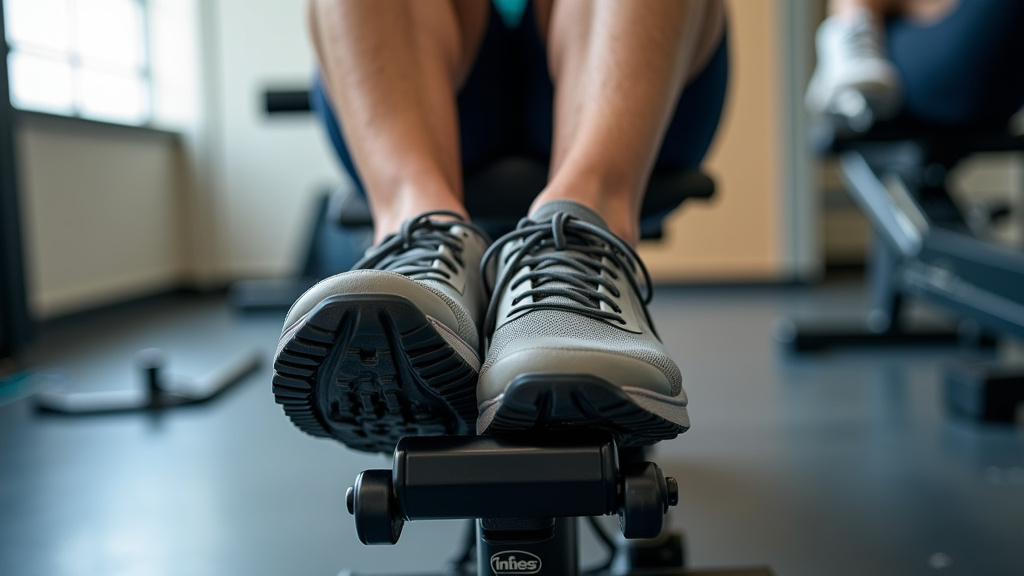
Can You Row Barefoot? The Pros and (Many) Cons
While we strongly recommend shoes, some people do row barefoot. Let’s look at why someone might consider it and what the downsides are. The main perceived benefit is a more natural feel. Some people prefer the direct connection to the equipment.
However, the risks often outweigh this preference. Many fitness facilities have rules against barefoot exercise for hygiene and safety reasons. It’s worth checking your gym’s policy if you plan to work out there.
The Hygiene Factor
Rowing machines, like all exercise equipment, can harbor germs. Footplates are in contact with a lot of feet throughout the day. Without shoes, your bare feet are directly touching this surface. This can transfer sweat and bacteria.
While you can wipe down the footplates, the risk remains. Many health organizations recommend covering your feet when using shared exercise equipment (CDC). This is a simple step to help prevent the spread of germs. Shoes act as a barrier.
Security and Control Issues
We’ve touched on this, but it bears repeating. Slipping is a major concern. If your feet aren’t secure, you can’t generate optimal power. This makes your workout less effective. More importantly, a sudden slip can cause you to lose balance.
In rare cases, a foot coming out of the strap unexpectedly could lead to a minor injury. It could jam against the machine or cause you to stumble. The foot straps are designed to work in conjunction with footwear. They are not always effective at holding bare feet securely.
A Quick Checklist for Your Rowing Footwear
Getting ready for your rowing session? Make sure your footwear is up to par with this simple checklist:
- Are your shoes clean?
- Do they have a non-slip sole?
- Do they fit snugly without being too tight?
- Can you move your ankles freely?
- Is the sole relatively flat and stable?
- Do they protect your heels and toes?
If you answered yes to most of these, you’re probably good to go! Choosing the right shoes ensures your rowing experience is safe, comfortable, and effective.
Conclusion
As you’ve seen, wearing shoes for your rowing machine workouts is highly recommended. It’s all about protecting your feet from irritation and potential injuries, while also ensuring you get the best grip and stability for an effective workout. While barefoot rowing might seem appealing for a “natural feel,” the risks of slipping, discomfort, and hygiene issues usually outweigh that preference. Think of your shoes as essential gear for a safe and powerful row. So, before your next session, grab a pair of suitable athletic shoes and get ready to make every stroke count!
Frequently Asked Questions
Can I wear just socks on a rowing machine?
While socks might offer slightly more grip than bare feet, they are generally not recommended. Most socks lack the necessary support and protection. They can also be slippery, especially when feet sweat, and don’t shield you from the machine’s components. Stick to athletic shoes for the best experience.
Will my regular gym shoes work for rowing?
Yes, most standard gym shoes or cross-trainers are excellent choices for rowing. Look for ones with a relatively flat, stable sole and good grip. Avoid shoes with excessively thick or cushioned soles, as these can feel unstable. A snug fit is key for a secure connection to the footplates.
How tight should the foot straps be when wearing shoes?
Your foot straps should be snug enough to keep your heel from lifting excessively, but not so tight that they cause discomfort or restrict circulation. Your shoes should feel secure on your feet, and the straps help further anchor your footwear to the footplate. You should be able to wiggle your toes slightly within the shoe.
What if my rowing machine has different foot adjustments?
Rowing machines often allow you to adjust the angle of the footplates. While this is a great feature for comfort, it doesn’t change the need for shoes. Regardless of the angle, your footwear will still provide the essential protection and grip needed for rowing.
Are there any specific rowing shoes I need to buy?
You don’t need specialized rowing shoes. Standard athletic sneakers or cross-trainers are perfectly adequate. The most important factors are that your shoes provide good grip, support your feet, and fit securely within the straps. Focus on functionality over specialized equipment.
