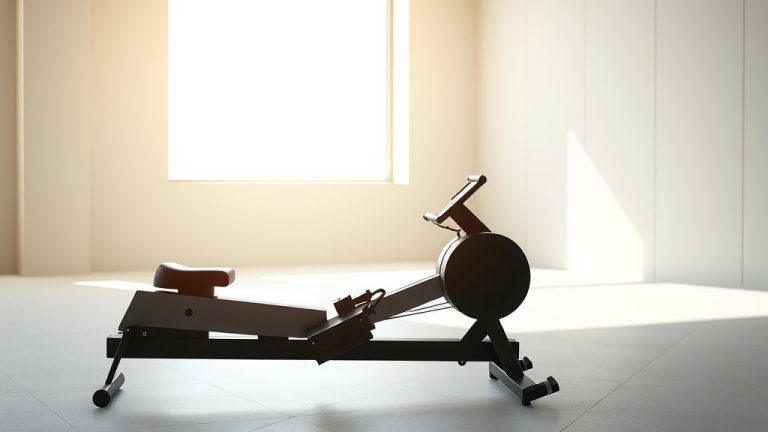
Does A Rowing Machine Work?
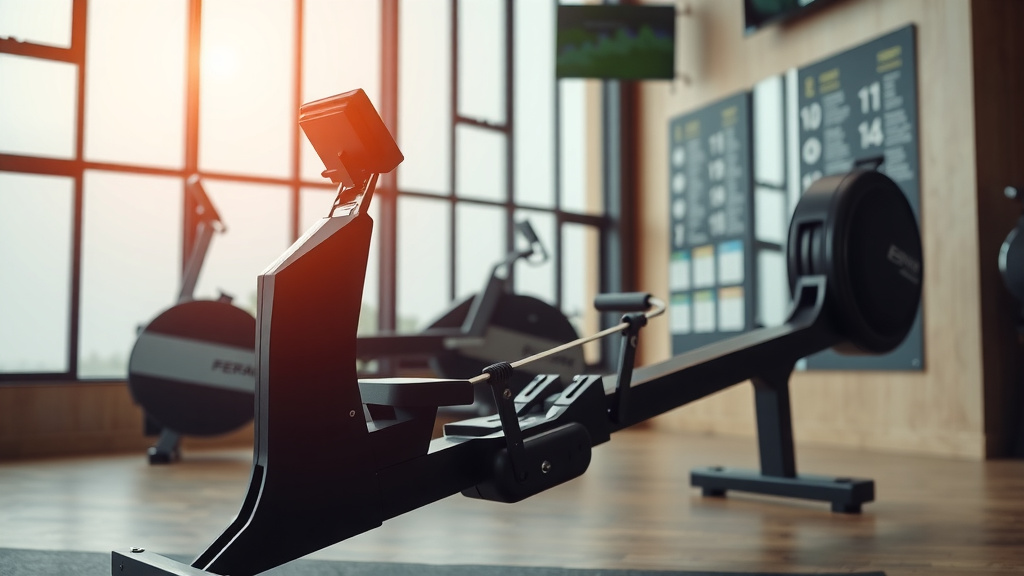
Yes, a rowing machine provides an incredibly effective full-body workout, engaging about 86% of your muscles from head to toe.
Regular use of a rowing machine can significantly improve cardiovascular health, build strength, and burn a substantial amount of calories, making it a highly efficient fitness tool.
- A rowing machine offers a powerful, full-body workout that engages major muscle groups.
- It’s excellent for boosting your cardio fitness and building lean muscle strength.
- Rowing is a low-impact exercise, making it gentle on your joints compared to running.
- You can burn many calories with a rowing machine, aiding in weight management.
- Proper form is key to getting the most benefits and preventing any discomfort.
Does A Rowing Machine Work?
Absolutely, a rowing machine works, and it works incredibly well! Think of it as your personal gym in one smooth, flowing movement.
Many fitness experts agree that rowing delivers a comprehensive workout, tapping into nearly every muscle group you have (American Council on Exercise).
Your Entire Body Gets a Workout
When you sit on a rowing machine, you might think it’s just an arm exercise. That’s a common misconception, but it’s far from the truth.
We found that rowing is actually a leg-driven movement, with your lower body doing most of the work.
Legs: The Powerhouse
Your quads, hamstrings, and glutes initiate the stroke, pushing off the foot stretcher with serious power. It’s like a squat and a leg press combined into one movement.
This big muscle engagement means you’re building strength and burning calories efficiently.
Core: Your Stabilizer
A strong core is vital in rowing. Your abdominal muscles and lower back work hard to stabilize your torso during each stroke.
This constant engagement helps you develop core strength, which is great for everyday activities and preventing back discomfort.
Upper Body: Pulling It All Together
Your back muscles, especially your lats, deltoids, and biceps, pull the handle towards your body. Your shoulders and triceps also play a part.
This pulling motion is fantastic for improving posture and upper body strength.
Cardiovascular Fitness Boost
Ever feel breathless after a good workout? Rowing machines are fantastic for your heart and lungs.
Research consistently shows that rowing can significantly improve your cardiovascular endurance (NIH).
It gets your heart pumping, helps blood flow, and strengthens your entire circulatory system.
Burning Calories and Weight Management
Looking to shed a few pounds or manage your weight? A rowing machine can be a powerful ally.
Because it uses so many muscles simultaneously, rowing burns a high number of calories in a short amount of time.
We found that a vigorous 30-minute rowing session can torch hundreds of calories, depending on your intensity and body weight.
Low-Impact, Joint-Friendly Exercise
One of the biggest perks of rowing is its low-impact nature. Unlike running or jumping, rowing keeps your feet in contact with the machine.
This means less stress on your knees, hips, and ankles, making it an ideal option for many people, including those with joint sensitivities or recovering from certain injuries.
Mental Well-being Benefits
Exercise isn’t just for your body; it’s a huge win for your mind too. Rowing offers a repetitive, rhythmic motion that can be almost meditative.
Many people find the steady pace of rowing to be a great stress reliever, helping to clear their heads and improve mood.
Understanding Proper Rowing Form
To truly answer “Does a rowing machine work?”, you need to get your form right. Incorrect form can lessen benefits and even lead to discomfort.
Think of the stroke in four phases: Catch, Drive, Finish, and Recovery. It’s a smooth, continuous cycle.
- Catch: Shins vertical, arms straight, shoulders relaxed, core engaged.
- Drive: Push hard with your legs, then swing your back, then pull with your arms.
- Finish: Lean back slightly, handle near your lower ribs, legs extended.
- Recovery: Extend arms, then pivot hips forward, then bend knees until shins are vertical again.
Many experts say focusing on your legs (60%), core (20%), and arms (20%) during the drive is a good general guideline (Concept2).
Rowing vs. Other Cardio Machines: A Quick Look
How does rowing stack up against other popular gym equipment? Each has its strengths, but rowing stands out for its full-body engagement.
Below is a simple comparison to help you see the differences:
| Feature | Rowing Machine | Treadmill | Stationary Bike |
|---|---|---|---|
| Muscle Engagement | Full Body (86%) | Mainly Lower Body | Mainly Lower Body |
| Impact on Joints | Very Low | High (running) to Moderate (walking) | Very Low |
| Cardio Benefit | Excellent | Excellent | Excellent |
| Strength Building | Significant (legs, back, core) | Moderate (legs) | Moderate (legs) |
Maximizing Your Rowing Machine Workout
So, you’re convinced a rowing machine works. How can you get the most out of it?
Here’s a quick checklist to supercharge your sessions:
- Focus on proper form before adding speed or resistance.
- Start with shorter workouts and gradually increase duration.
- Vary your routine with high-intensity intervals (HIIT) and steady-state rows.
- Set achievable goals to stay motivated, like rowing a certain distance or time.
- Listen to your body; rest when needed to avoid overtraining.
- Stay hydrated before, during, and after your workout.
Choosing the Right Rowing Machine
Different types of rowing machines offer varying experiences. There are air, water, magnetic, and hydraulic piston models.
Each type has its own feel, sound, and resistance mechanism. Consider your space, budget, and desired rowing experience.
Air Rowers: The Gym Standard
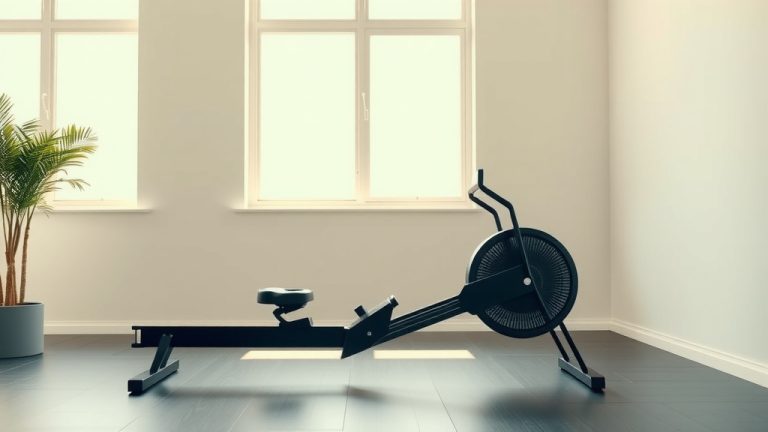
Often found in gyms, air rowers use a flywheel to create resistance. The harder you pull, the more resistance you feel.
They offer a very natural rowing feel and are known for their durability and effectiveness.
Water Rowers: Smooth and Quiet
These machines use real water in a tank for resistance, mimicking the feel of rowing on water. They are typically quieter and provide a smooth, immersive experience.
Magnetic Rowers: Compact and Silent
Magnetic rowers use magnets for resistance, offering a very quiet workout. They are often more compact and allow for easy resistance adjustments.
Conclusion
So, does a rowing machine work? Without a doubt, yes! It’s an incredibly versatile and powerful piece of equipment for anyone aiming to improve their fitness and overall health.
From building full-body strength and boosting cardiovascular health to aiding in weight management and being gentle on your joints, the benefits are clear. Just remember to focus on your form, be consistent, and you’ll soon be feeling the fantastic results a rowing machine can deliver.
How much time on a rowing machine is good for a beginner?
For beginners, starting with 10-15 minute sessions, three to four times a week, is a great approach. Focus on maintaining good form rather than speed or resistance. As your fitness improves, you can gradually increase your duration and intensity.
Does rowing help with belly fat?
Yes, rowing can definitely help reduce belly fat as part of an overall weight loss strategy. Since it burns a lot of calories and builds muscle, it contributes to a calorie deficit, which is essential for fat loss, including stubborn belly fat. Remember, spot reduction isn’t possible, but total body fat reduction will include your midsection.
Is rowing better than cycling for cardio?
Both rowing and cycling are excellent for cardiovascular fitness, but rowing offers a more comprehensive full-body workout. While cycling primarily engages your lower body, rowing incorporates your legs, core, and upper body, making it a more efficient full-body cardio session. The “better” one depends on your personal goals and preferences.
Can you build muscle with a rowing machine?
Absolutely! A rowing machine is excellent for building functional strength and lean muscle, particularly in your legs, glutes, core, back, and arms. While it won’t lead to massive bodybuilding-style muscle growth, it provides significant muscular endurance and strength development through consistent, resistance-based movements.
What are the common mistakes to avoid on a rowing machine?
Common mistakes include pulling with your arms too early, hunching your back, not using your legs enough, or rushing the recovery phase. It’s crucial to prioritize proper technique: drive with your legs first, then swing your back, then pull with your arms, and recover in reverse order – arms, back, then legs. Watch videos and practice slowly to master the rhythm.