
Does Rowing Build More Muscle Than Cycling?
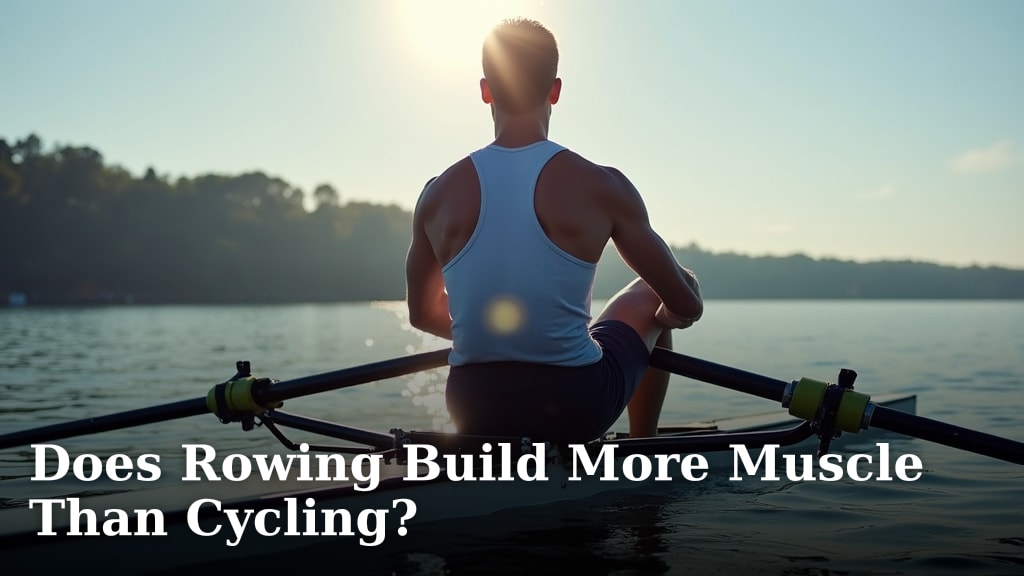
When comparing rowing and cycling for building muscle, rowing generally builds more muscle than cycling. This is because rowing is a full-body workout. It engages your legs, core, back, and arms simultaneously. Cycling primarily focuses on your lower body muscles. You get a great cardio workout on the bike, but the muscle-building aspect is less widespread.
You might be wondering which exercise is better for your fitness goals. Both activities offer fantastic cardiovascular benefits. They can also help you burn calories and improve endurance. But when your main aim is to develop overall muscle mass, rowing has a distinct advantage. It works more muscle groups in a single session. This makes it a more efficient choice for muscle hypertrophy. Rowing also offers a lower impact option for many people compared to some other strength training exercises.
- Rowing engages more muscle groups than cycling.
- Cycling primarily targets lower body muscles.
- Rowing is a better choice for overall muscle building.
- Both offer excellent cardiovascular benefits.
We found that understanding these differences can help you choose the best workout for your goals. Let’s break down exactly how each exercise impacts your muscles and why rowing often comes out on top.
Rowing vs. Cycling: Which Builds More Muscle?
So, you’re wondering which workout packs a bigger punch for your muscles. We’ve found that rowing generally wins this muscle-building bout. It’s all about how your body moves during each exercise. Rowing works many more muscles at once. This can lead to greater overall muscle development.
The Muscle-Building Power of Rowing
Rowing is often called a full-body workout for good reason. It’s like a symphony for your muscles. Every stroke you take engages several major muscle groups. This means you’re building strength and size across your body, not just in one or two areas.
Legs: The Engine of the Row
Your legs are the powerhouse when you’re rowing. The initial push off the footplates involves your quadriceps, the large muscles on the front of your thighs. You’re also firing up your hamstrings on the back of your thighs. And don’t forget your glutes, your powerful butt muscles, which help drive the movement.
We found that this leg drive is critical. It’s the foundation for a strong stroke. Because you’re using such large muscle groups, you’re giving them a serious workout. This is excellent for building muscle mass in your lower body.
Core: The Stabilizer and Power Transfer
Think of your core as the central hub for all your rowing power. Your abdominal muscles, obliques (side abs), and lower back muscles all work together. They keep your body stable and transfer energy from your legs through to your upper body. This constant engagement helps to strengthen and tone your midsection.
Without a strong core, your rowing stroke would be weak and inefficient. Many experts say a strong core is vital for preventing injuries too. So, you’re not just building abs; you’re building a more resilient body (CDC).
Back: The Strength and Pull
Your back muscles are heavily involved in the “catch” and “drive” phases of the row. Your lats (latissimus dorsi), the large muscles on your back, are responsible for pulling the handle towards your body. You also engage your rhomboids and trapezius muscles in your upper back.
These muscles work hard to create a powerful pull. We found that consistent rowing can lead to a more defined and stronger back. It’s a fantastic way to build that V-taper shape many people aim for.
Arms and Shoulders: The Finish and Control
While the legs initiate the power, your arms and shoulders finish the stroke. Your biceps help to pull the handle the final few inches. Your forearms grip the handle throughout the entire movement. Your deltoids, the muscles in your shoulders, also contribute to the pulling motion and help control the movement.
Although not the primary drivers, these upper body muscles get a consistent workout. This helps them to grow and become more defined. It’s a complete upper body engagement, working muscles you might not hit as hard on a bike.
The Muscle-Building Focus of Cycling
Cycling is an amazing cardiovascular exercise. It’s great for burning calories and improving heart health. However, its muscle-building focus is much more limited compared to rowing.
Lower Body Dominance
On a bike, your quadriceps and hamstrings are the main workhorses. They are constantly contracting to push and pull the pedals. Your calves also get a good workout, especially when climbing hills or increasing resistance. And your glutes certainly get engaged, particularly during hard efforts.
We found that the primary muscles worked are in your legs. This makes cycling excellent for building leg strength and endurance. But it doesn’t engage your upper body or core to the same extent as rowing does.
Minimal Upper Body Engagement
Your arms and shoulders on a bike are primarily used for balance and steering. Unless you’re doing specific strength training exercises on the bike, like standing up for sprints, there’s very little muscle-building happening in your upper body. Your core is engaged to maintain posture, but it’s not the same intense, dynamic engagement you get from rowing.
Think about it: when you’re cycling, are your biceps doing much work? Probably not. Your back muscles? Mostly just holding you up. This is why cycling is more of a lower-body and cardio workout.
Direct Comparison: Muscle Groups Worked
Let’s break down the muscle engagement side-by-side to make it crystal clear. We found that the sheer number of muscle groups activated is a key differentiator.
| Muscle Group | Rowing | Cycling |
|---|---|---|
| Legs (Quads, Hamstrings, Glutes, Calves) | High Engagement | High Engagement |
| Core (Abs, Obliques, Lower Back) | High Engagement | Moderate Engagement (for posture) |
| Back (Lats, Rhomboids, Traps) | High Engagement | Low Engagement (mostly supportive) |
| Arms (Biceps, Forearms) | Moderate Engagement | Low Engagement |
| Shoulders (Deltoids) | Moderate Engagement | Low Engagement (for balance) |
As you can see from the table, rowing engages more major muscle groups with higher intensity. This leads to a more balanced and comprehensive muscle-building stimulus across your entire body. Cycling, while effective for legs, leaves much of your upper body and core relatively less worked.
Why Rowing is Better for Overall Muscle Growth
The main reason rowing builds more muscle is its compound movement nature. A compound exercise works multiple joints and muscle groups simultaneously. Rowing is a prime example.
When you push with your legs, pull with your back, and stabilize with your core, you’re creating a ripple effect of muscle activation. This triggers a greater release of anabolic hormones, like testosterone and growth hormone, which are essential for muscle repair and growth (NCBI). It’s like hitting the ‘power button’ for muscle building across your whole frame.
The Role of Resistance
Rowing machines provide resistance through the entire range of motion. You’re working against the water or air resistance. This constant tension is key for hypertrophy, or muscle growth. Cycling also offers resistance, but it’s mainly focused on the leg muscles.
Lower Impact for More Reps
For many people, rowing is a lower-impact alternative to heavy weightlifting. This means you can often perform more repetitions or workout sessions without excessive joint stress. This consistency allows for more frequent muscle stimulation, which can speed up muscle growth. While cycling is also low-impact, its muscle-building potential is still limited by the muscle groups it targets.
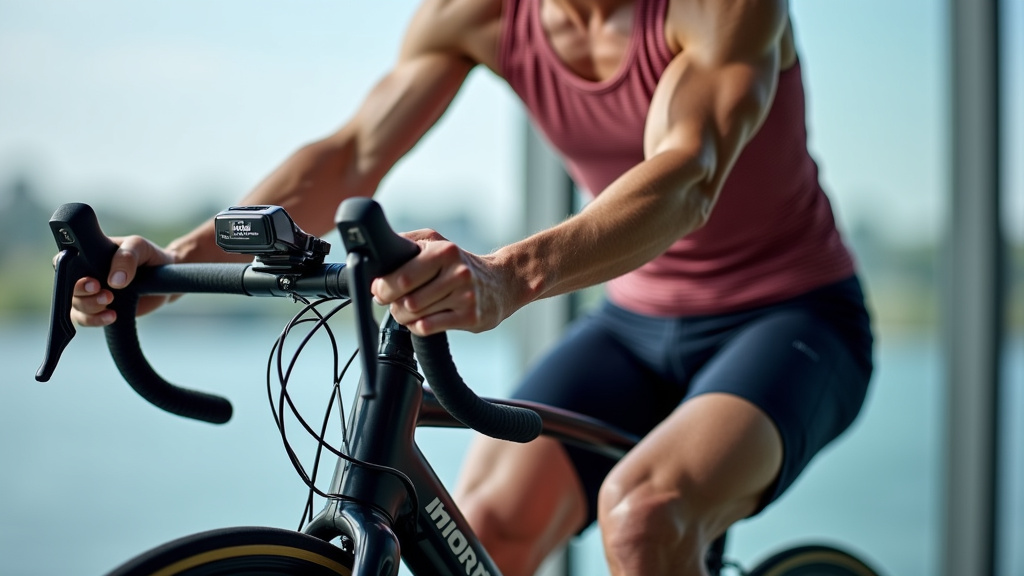
When Cycling Might Be Preferred (For Muscle)
While rowing generally wins for overall muscle building, cycling has its place. If your primary goal is to build massive legs, cycling can be very effective. Elite cyclists often have incredibly powerful quadriceps and hamstrings.
Additionally, if you enjoy cycling more, consistency is key. You’ll get better results from an activity you love and stick with. You can supplement cycling with strength training to target upper body and core muscles if overall muscle gain is your goal.
Making the Most of Your Workout Choice
No matter which you choose, focus on proper form. This maximizes muscle activation and prevents injuries. For rowing, ensure you have a strong leg drive and a good back angle. For cycling, maintain good posture and engage your core.
If your goal is to build as much muscle as possible, especially in a time-efficient way, rowing is likely your better bet. You get a fantastic cardiovascular workout and a comprehensive muscle-building session all in one. It’s a true win-win.
Your Workout Checklist:
- Rowing engages more muscle groups than cycling.
- Cycling primarily targets the lower body.
- Rowing provides a full-body workout stimulus.
- Both are great for cardio and calorie burning.
- For overall muscle gain, rowing is often superior.
- Consistency and proper form are key for any exercise.
Conclusion
You’ve seen how rowing and cycling stack up for building muscle. Rowing clearly takes the lead due to its full-body engagement. It works your legs, core, back, and arms simultaneously, promoting overall muscle growth. Cycling, while a fantastic cardio workout, primarily targets your lower body. If your main goal is to gain muscle mass across your entire physique, rowing is the more efficient choice. Consider incorporating rowing into your routine for a balanced and powerful workout that benefits your whole body.
Frequently Asked Questions
Can I build muscle using only cycling?
Yes, you can build muscle using only cycling, but it will be primarily focused on your lower body. Your quadriceps, hamstrings, glutes, and calves will see significant development. To build muscle in your upper body and core, you would need to supplement cycling with strength training exercises.
How often should I row to build muscle?
For muscle building, aim to row at least 3-4 times per week. Ensure you allow for rest days between intense rowing sessions to give your muscles time to recover and grow. Proper nutrition and sufficient protein intake are also key for muscle repair and development.
Is rowing harder on the joints than cycling?
Rowing is generally considered a low-impact exercise, similar to cycling. While both are easier on the joints than running or heavy weightlifting, proper form is crucial for both. If you have existing knee issues, rowing might feel more comfortable than cycling for some.
Will rowing make my back too bulky?
Rowing works your back muscles, which can lead to a stronger and more defined back. However, it’s unlikely to make your back “too bulky” on its own without dedicated heavy strength training. You’ll likely achieve a balanced, athletic look rather than excessive bulk.
Can I combine rowing and cycling for better muscle gain?
Absolutely! Combining rowing and cycling can be an excellent strategy for well-rounded fitness and muscle development. You can use rowing for your full-body muscle building days and cycling for dedicated cardio or lower-body focus days. This approach ensures you’re working different muscle groups and preventing exercise boredom.
