Does Rowing Machine Help Flabby Arms?
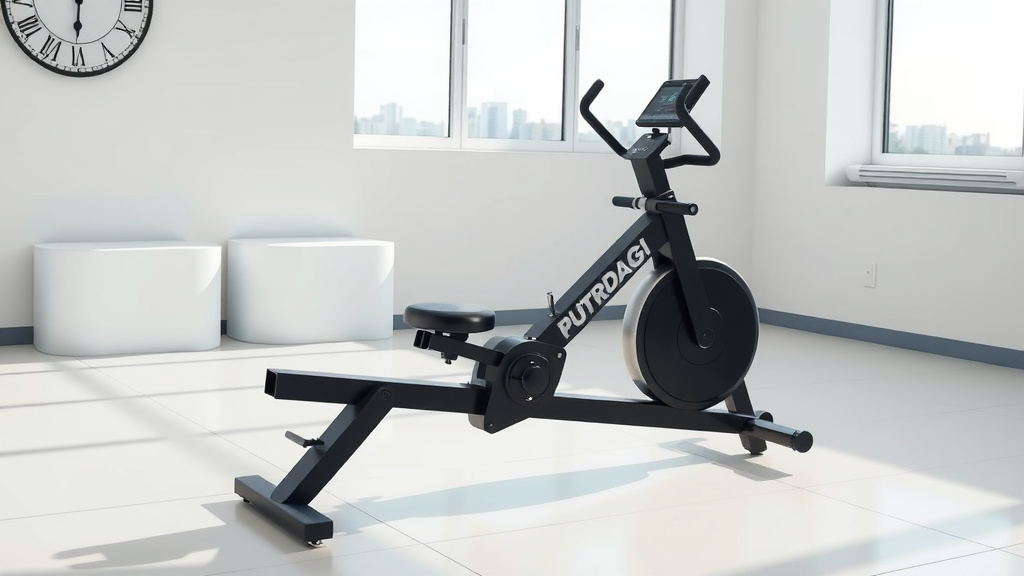
Yes, a rowing machine can definitely help with flabby arms by burning overall body fat and toning the muscles in your arms, shoulders, and back. It’s an excellent full-body cardio and strength workout.
While you can’t spot-reduce fat from your arms alone, rowing contributes to overall fat loss, which will reduce the appearance of flabby arms, while simultaneously building lean muscle underneath.
- Rowing machines engage your biceps, triceps, shoulders, and back muscles directly.
- It’s a full-body workout that burns significant calories, helping reduce overall body fat.
- You cannot “spot reduce” fat from just your arms; total fat loss is key.
- Combining rowing with targeted strength exercises and good nutrition yields the best results.
Does Rowing Machine Help Flabby Arms?
Absolutely, a rowing machine can be a powerful tool in your quest for firmer arms. Think of it as a double-duty fitness friend: it melts away fat while shaping the muscles beneath.
We found that consistent rowing contributes to both overall fat reduction and specific muscle engagement in your upper body, including your arms (Mayo Clinic).
What Makes Arms “Flabby”?
Often, “flabby arms” refer to excess body fat, combined with a lack of muscle tone. It’s common to see this around the triceps area on the back of your upper arm.
This appearance often comes from a combination of lower muscle mass and higher body fat percentage. Our goal is to address both for a firmer look.
Rowing’s Direct Arm Action
When you pull the handle towards your body on a rowing machine, your arms are deeply involved. This powerful pulling motion activates several key arm and upper body muscles.
Research often highlights rowing as a compound movement, meaning it works multiple muscle groups simultaneously, including those in your arms and shoulders (NIH).
Biceps Get a Workout
Your biceps, those muscles on the front of your upper arm, are primary movers during the “drive” phase of the rowing stroke. They contract strongly as you pull the handle.
This repeated engagement helps to build strength and definition in your biceps. You’re effectively doing a continuous bicep curl with every stroke.
Triceps as Stabilizers
While biceps handle the pull, your triceps (the back of your arm) play a supporting role. They work as stabilizers during the drive and gently extend your arms during the recovery.
This continuous, albeit less intense, activation helps to maintain tone and stability. Don’t underestimate the power of consistent stabilization work.
Beyond Arms: Full-Body Power
Rowing isn’t just an arm workout; it’s a full-body experience. Approximately 60% of the power comes from your legs, 20% from your core, and 20% from your arms and back.
This means you’re burning a significant number of calories, leading to overall fat loss. Remember, fat loss is the main ingredient for saying goodbye to arm “flabbiness.”
The Calorie-Burning Effect
Because rowing engages so many large muscle groups, it’s an incredibly efficient calorie burner. More calories burned means a greater chance of creating the calorie deficit needed for fat loss.
Think of it like this: your rowing machine is helping you chip away at excess fat from all over your body, including your arms. It’s a total-body transformation tool.
Toning vs. Total Fat Loss
Many people confuse toning with fat loss. Toning refers to building muscle and reducing fat to reveal that muscle. Fat loss is simply reducing the amount of fat your body stores.
Rowing helps with both: it contributes to overall fat loss and directly tones the muscles in your arms, back, and shoulders. You get the best of both worlds.
No Such Thing as Spot Reduction
Here’s the honest truth: you cannot choose where your body loses fat. Doing endless arm exercises won’t magically make only your arm fat disappear.
The good news is that when you consistently row and burn calories, your body will naturally tap into fat stores from all over, eventually including your arms.
Arm Muscle Engagement Summary
To help you visualize how rowing impacts various parts of your upper body, here’s a quick summary:
| Body Part | Primary Rowing Role | Impact on Arm Tone |
|---|---|---|
| Legs | Drive Phase (Power) | Indirect (Calorie burn, overall fat loss) |
| Core | Stabilization, Power Transfer | Indirect (Calorie burn, postural support) |
| Back | Pull Phase (Strength) | Direct (Supports arm pull, shapes upper body) |
| Biceps | Pull Phase (Primary Arm Mover) | Direct (Tones and strengthens biceps) |
| Triceps | Recovery Phase (Stabilizer) | Minimal Direct (Assists arm extension, stability) |
| Shoulders | Pull Phase (Support, Stabilization) | Direct (Contributes to overall arm definition) |
Your Path to Firmer Arms
To maximize your rowing machine’s benefits for your arms, you’ll want a smart, balanced approach. It’s not just about getting on the rower; it’s about how you use it.
Think of rowing as a fantastic foundation, but sometimes you need a few extra building blocks to achieve your ideal arm shape. What else can you add?
Consistency is Your Friend
The key to any fitness goal, including firmer arms, is regularity. Aim for at least 3-5 rowing sessions per week, varying your intensity and duration.
Even 20-30 minutes of consistent rowing can make a real difference over time. Your body adapts, so keep challenging yourself a little.
Pair with Strength Training
While rowing builds some arm muscle, adding specific strength exercises will accelerate your results. Think of it as a dynamic duo: rowing for fat loss, strength training for targeted toning.
Include exercises like bicep curls, tricep extensions, and shoulder presses. These will help sculpt those arm muscles even further (American Council on Exercise).
Don’t Forget Nutrition
You simply cannot out-exercise a poor diet. For fat loss and muscle definition, your plate is just as important as your workout. Focus on whole, unprocessed foods.
Make sure you’re getting enough protein to support muscle repair and growth, along with plenty of fruits, vegetables, and healthy fats.
Key Steps for Firmer Arms: A Checklist
- Row consistently 3-5 times per week.
- Include targeted arm strength exercises 2-3 times per week.
- Maintain a balanced, nutrient-rich diet.
- Focus on overall fat loss, not just arm fat.
- Ensure proper rowing form to engage muscles correctly.
Avoiding Common Pitfalls
It’s easy to make mistakes that slow your progress. One common issue is relying too much on your arms during rowing, instead of your powerful legs. This reduces efficiency.
Another pitfall is neglecting other parts of your fitness journey, such as strength training or diet. Remember, it’s a holistic process.
Master Your Rowing Stroke
Proper form ensures you engage the right muscles and avoid injury. Focus on pushing with your legs first, then hinging at your hips, and finally pulling with your arms and back.
Many experts emphasize the “legs, core, arms, arms, core, legs” sequence for an effective and safe stroke (Concept2 Rowing Guides).
Conclusion
Yes, a rowing machine is a fantastic tool to help firm up flabby arms. It actively engages your biceps, shoulders, and back, while its full-body calorie burn helps shed overall fat, including from your arms.
Combine your consistent rowing sessions with targeted strength training for your arms and a mindful, nutritious diet. This comprehensive approach is your best bet for achieving the toned, confident arms you desire.
How long does it take to see results from rowing for arm toning?
Seeing noticeable changes in arm tone from rowing typically takes 6-12 weeks of consistent effort. This assumes you’re rowing 3-5 times a week, paying attention to form, and maintaining a balanced diet. Individual results will vary based on starting fitness level and other lifestyle factors.
Do I need to do additional arm exercises if I’m rowing?
While rowing works your arms, adding specific strength training exercises like bicep curls, tricep extensions, and shoulder presses 2-3 times a week can greatly enhance your results. This targeted approach helps build more defined muscle and accelerate the toning process beyond what rowing alone provides.
Is high-intensity rowing better for flabby arms than steady-state?
Both high-intensity interval training (HIIT) and steady-state rowing offer benefits for flabby arms. HIIT sessions are great for boosting metabolism and burning calories efficiently, while steady-state rowing builds endurance and contributes to sustained fat loss. A mix of both approaches often yields the best, most balanced results.
Can rowing alone get rid of all my arm fat?
Rowing alone can contribute significantly to overall fat loss, which will reduce arm fat, but it cannot guarantee complete elimination or “spot reduction” from your arms. Your body decides where it loses fat first. A holistic approach including diet, rowing, and strength training offers the most comprehensive solution.
Does rowing build bulky arm muscles?
For most people, rowing will build lean, toned muscle rather than bulky arm muscles. Unless you’re also lifting very heavy weights and eating a specific diet for muscle gain, rowing will help create definition and strength without adding significant bulk. It generally promotes a fit, athletic physique.