Does Rowing Machine Work Abs?
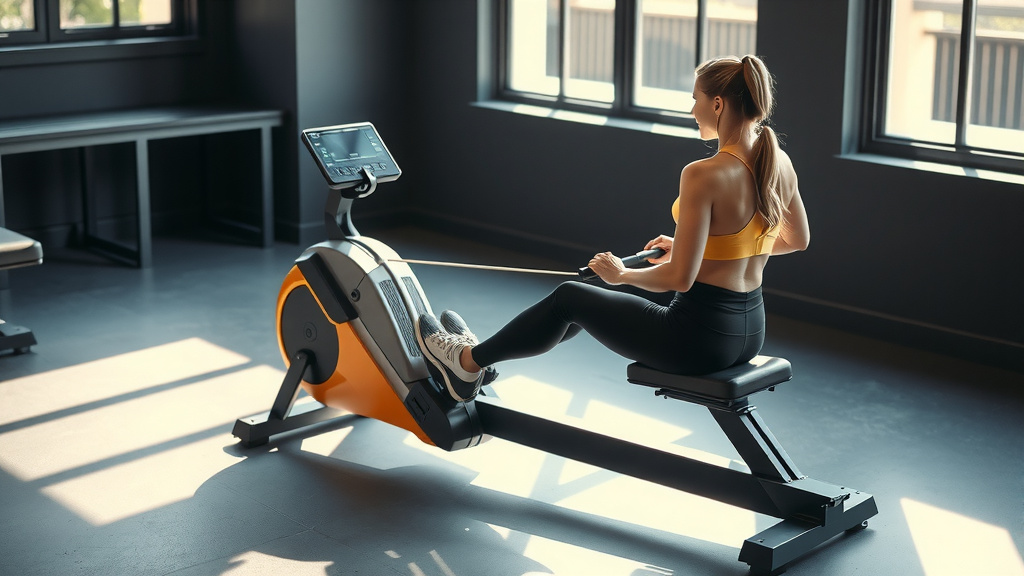
Yes, a rowing machine can absolutely work your abs by engaging your core muscles throughout each stroke. It’s a fantastic full-body workout that incorporates your entire midsection.
Your abdominal muscles play a vital role in stabilizing your torso and transferring power from your legs to your upper body during the powerful rowing machine motion.
- Rowing machines engage your core for stability and power transfer with every stroke.
- They target various abdominal muscles, not just one isolated area.
- Proper form is essential to maximize ab engagement and prevent discomfort.
- Combine rowing with other core exercises for even better results.
- You can definitely build strength and definition in your abs with consistent rowing.
Does Rowing Machine Work Abs?
Absolutely, your rowing machine is a secret weapon for your core. We found that it actively engages your abdominal muscles from the very start of each stroke.
Think of it as a dynamic plank; your abs are constantly working to keep you stable and powerful. It’s a complete workout for your midsection.
Understanding Your Core Muscles
Before diving into rowing, let’s chat about your core. It’s more than just a six-pack area.
Your core includes your rectus abdominis (the six-pack muscle), obliques (side muscles), and deep transverse abdominis. These all work together.
The Powerhouse Connection
Your core is your body’s command center. It connects your upper and lower body, allowing you to move with strength and stability.
Without a strong core, even simple movements become tougher. It’s like the foundation of a house; you need it solid.
How Rowing Engages Your Abs
Every phase of the rowing stroke calls on your core. It’s not just a leg or arm exercise; it’s a symphony of muscle groups.
You’re constantly bracing and stabilizing, which means your abs are on the job from start to finish. This continuous engagement builds real strength.
The Catch Phase
At the catch, you’re coiled forward, ready to push. Here, your abs pull your torso slightly towards your thighs.
They work to maintain a strong, upright posture. This initial tension sets the stage for a powerful drive.
The Drive Phase
This is where the magic happens. As you push with your legs, your core acts as a bridge, transferring that leg power to the handle.
Your abs prevent your lower back from arching and keep your body stable. Research shows this phase heavily relies on core stability and strength (NIH).
The Finish and Recovery
At the finish, you’re leaning back slightly. Your abs stabilize your trunk, preventing you from collapsing.
Then, during recovery, they control your forward movement back to the catch position. It’s a constant, controlled effort.
Targeted Abdominal Muscles During Rowing
Rowing works a host of core muscles, making it a comprehensive ab workout. It hits more than just the surface muscles.
You’re engaging both the superficial and deep layers of your abdominal wall. Here’s a quick look:
- Rectus Abdominis: This is your “six-pack” muscle, used for flexing your trunk forward.
- Obliques (Internal and External): These muscles help with twisting and side bending, and they stabilize your torso.
- Transverse Abdominis: The deepest ab muscle, crucial for spinal stability and creating a natural “corset” effect.
- Erector Spinae: While not “abs,” these back muscles work with your abs for overall core balance and posture.
Why Proper Form is Your Core’s Best Friend
Using correct form isn’t just about efficiency; it’s about making your abs work. Poor form can shift the workload away from your core.
It can also put unwanted stress on your lower back. Many experts say that proper technique is non-negotiable for results and safety (Mayo Clinic).
Signs of Poor Form
Are you feeling it more in your lower back than your abs? That’s a common sign. Watch out for these:
You might be rounding your back or “slumping” at the catch. Another sign is leaning back too far at the finish, almost falling over.
Beyond the Abs: The Full-Body Benefit
While we’re focusing on abs, remember rowing is a full-body exercise. It hits your legs, glutes, back, and arms too.
You get a fantastic cardio workout combined with strength training. It’s truly a two-for-one deal for fitness.
Maximizing Your Ab Workout on the Rower
Want to feel that burn even more in your core? A few tweaks can make a big difference. Try these tips:
- Engage your core early: Before you push with your legs, actively brace your abs.
- Keep your back straight: Avoid rounding your back at the catch. Think about being tall.
- Control the recovery: Don’t let the momentum pull you forward. Use your abs to control the return.
- Lean back slightly: At the finish, lean back just a bit, but use your abs to hold that position.
- Add core drills: Sometimes, a few strokes with just arms and core can really fire up those muscles.
Combining Rowing with Other Core Work
To truly sculpt and strengthen your abs, consider adding specific core exercises. Rowing provides a great foundation.
But supplementing with planks or Russian twists can offer more targeted benefits. Think of it as teamwork for your midsection.
Rowing vs. Traditional Ab Exercises: A Comparison
How does rowing stack up against classic ab workouts? Let’s compare the benefits for your core.
Each method has its strengths, offering different ways to challenge your abdominal muscles.
| Exercise Type | Core Engagement Focus | Other Benefits |
|---|---|---|
| Rowing Machine | Dynamic stabilization, power transfer, full core integration. | Cardio, full-body strength, low impact. |
| Crunches/Sit-ups | Rectus abdominis flexion, direct isolation. | Can be done anywhere, no equipment needed. |
| Planks | Isometric strength, deep core stability, endurance. | Improves posture, strengthens back, no equipment needed. |
Conclusion
So, does a rowing machine work your abs? Absolutely, yes! It’s an incredible tool for strengthening your core in a dynamic, functional way.
By constantly engaging your abdominal muscles for stability and power, rowing offers a comprehensive core workout alongside its many other full-body benefits. Focus on your form, listen to your body, and enjoy a stronger, more stable midsection with every stroke.
Can I get a six-pack just from rowing?
Rowing will definitely strengthen and define your abdominal muscles. Getting a visible six-pack also depends on other factors, like your body fat percentage and overall diet.
How often should I row to see ab results?
For noticeable results, we often suggest rowing 3-5 times a week, combined with proper form and a balanced diet. Consistency is a powerful factor in any fitness journey.
Are there different rowing strokes for better ab engagement?
While the basic stroke works your abs well, focusing on a more controlled recovery phase and bracing your core throughout the stroke can enhance engagement. Some advanced drills might isolate core muscles more, but good standard form is key.
Does rowing help with belly fat reduction?
Yes, rowing is an excellent cardiovascular exercise that burns calories, which is essential for overall fat loss, including belly fat. For best results, pair it with healthy eating habits.
What if my back hurts when I row?
If you experience back pain, it often points to incorrect form, such as rounding your back or over-leaning. Focus on keeping your core engaged and back straight. Stop immediately if pain persists and consider consulting a fitness professional or doctor (Cleveland Clinic).