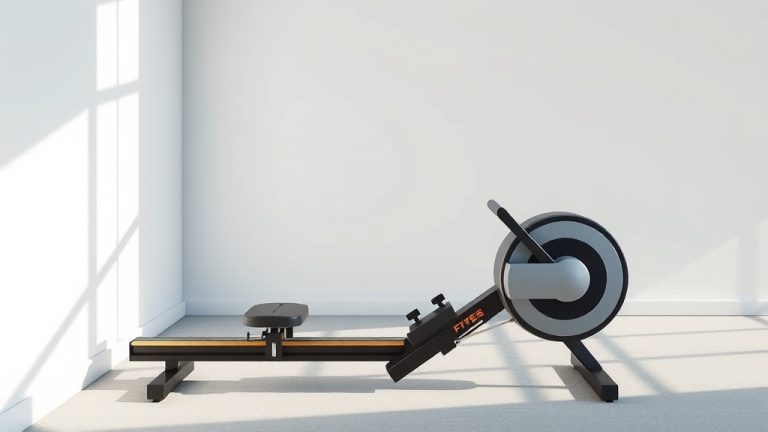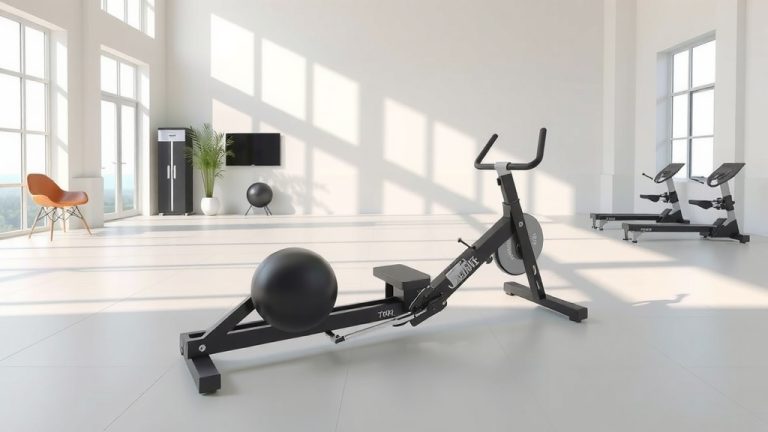
How Good Is A Rowing Machine Workout?
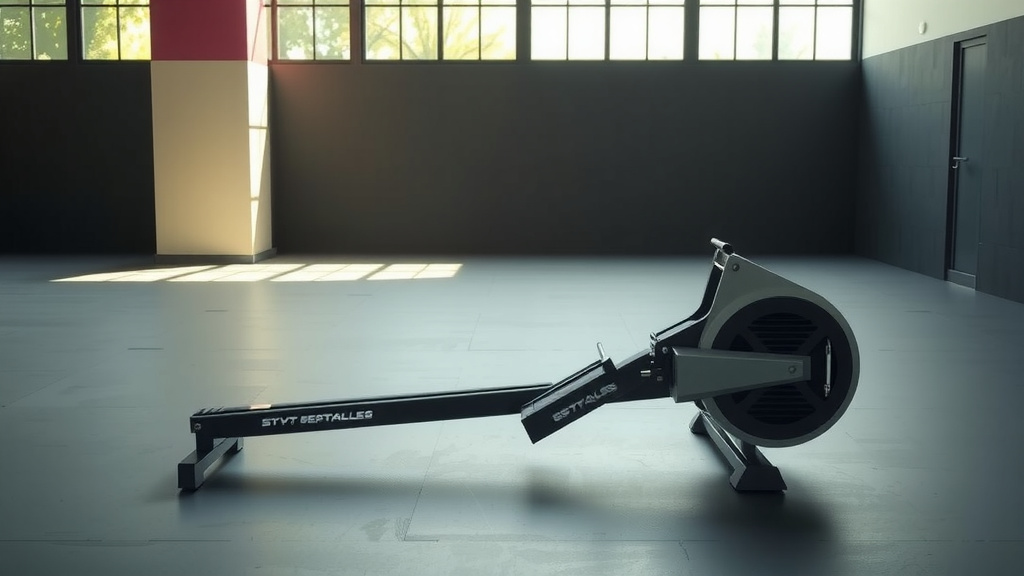
A rowing machine workout is exceptionally good, offering a comprehensive full-body exercise that builds strength, boosts cardiovascular health, and burns significant calories. It engages over 85% of your muscles in a low-impact motion, making it highly effective for almost everyone.
You get a powerful blend of aerobic conditioning and muscle toning, working your legs, core, back, and arms all at once. It’s a fantastic choice for improving fitness without putting stress on your joints.
For those short on time, here’s the essence of how good a rowing machine workout truly is:
- You’ll achieve a genuine full-body workout, engaging nearly every major muscle group.
- It offers excellent cardiovascular benefits, strengthening your heart and boosting endurance.
- You can expect a high calorie burn, making it a powerful tool for weight management.
- It’s a remarkably low-impact exercise, gentle on your joints compared to running.
- Beyond physical gains, rowing provides a great mental escape and stress relief.
How Good Is A Rowing Machine Workout?
A rowing machine workout is incredibly effective, delivering a powerhouse blend of strength training and cardio for your entire body. It’s often called the “silent killer” because it works so many muscles without feeling overly strenuous at first.
Why Rowers Are a Full-Body Powerhouse
Think about a rowing stroke; it’s like a coordinated dance for your body. You push off with your legs, engage your core, then pull with your back and arms. Research shows this single motion uses about 85% of your body’s muscles (American Fitness Professionals & Associates).
Your legs, including glutes, quads, and hamstrings, do the heavy lifting. Your core muscles keep you stable and transfer power. And your back, shoulders, and arms finish the stroke with a strong pull. It’s a complete package, building both power and endurance from head to toe.
Cardio King: Heart Health Benefits
When you row, your heart rate climbs steadily, giving your cardiovascular system a fantastic workout. This consistent effort helps strengthen your heart and lungs. Many experts say regular aerobic exercise, like rowing, helps lower blood pressure and improve cholesterol levels (CDC).
Over time, you’ll notice your stamina improving. You’ll be able to go longer and feel less winded. It’s an excellent way to boost your overall endurance, whether for other sports or just daily life.
Low-Impact, High Reward
Unlike running or jumping, rowing is incredibly gentle on your joints. Your feet stay connected to the footrests, and the motion is smooth and fluid. This makes it a perfect option if you have knee, hip, or ankle concerns.
We found that many people recovering from injuries or those just starting their fitness journey find rowing ideal. You can get an intense workout without the pounding impact that comes with other exercises. It’s about maximizing effort while minimizing joint stress.
Is Rowing Good for Weight Loss?
Absolutely! Rowing torches calories at an impressive rate. A typical 30-minute rowing session can burn anywhere from 200 to 400 calories or more, depending on your intensity and body weight. This high calorie expenditure makes it a very efficient tool for creating a calorie deficit, which is key for weight loss.
Combine that calorie burn with the muscle building aspect, and you have a winning formula. More muscle means a higher resting metabolism, helping you burn more calories even when you’re not exercising. Consistency, as with any exercise, is your best friend here.
Building Strength and Toning Muscles
You might think of rowing as just cardio, but it’s far more. Every stroke involves pushing and pulling against resistance, which helps to build and tone your muscles. You’re not just moving; you’re working against a force, whether it’s air, water, or magnetic.
This resistance training contributes to stronger legs, a more powerful core, and sculpted arms and back. You’ll develop functional strength that helps with everyday tasks, making you feel more capable and athletic.
The Mental Boost: Stress Relief & Focus
Beyond the physical benefits, rowing offers a wonderful mental escape. The rhythmic, repetitive motion can be almost meditative. It allows you to clear your head and focus purely on the present moment.
Like other forms of exercise, rowing also triggers the release of endorphins, those natural mood boosters. Many people find a good rowing session helps reduce stress and anxiety. It’s your time to decompress and recharge, mind and body.
Getting Started: Your First Strokes
Ready to try? Don’t just jump on and pull. Proper form is everything to maximize benefits and avoid injury. Think about your push from the legs first, then swing your torso back slightly, and finally, pull with your arms. It’s a powerful sequence: Legs, Core, Arms, and then the reverse for the recovery.
Start with shorter sessions, maybe 10-15 minutes, and focus purely on technique. It’s better to row slowly with good form than fast with bad form. You’ll feel the difference in how your muscles engage.
Common Rowing Mistakes to Avoid
It’s easy to fall into bad habits. Keep an eye out for these common errors:
- Pulling with arms too early: Let your legs do the work first.
- Slouching or rounding your back: Keep a tall, strong posture throughout the stroke.
- Over-extending the pull: Your hands should come to your lower rib cage, not further back.
- Not using full leg power: Push strongly off the foot stretcher with your entire foot.
- Rushing the recovery: Control the return to the start, don’t just flop forward.
Types of Rowing Machines: What’s Your Match?
Rowing machines come in a few flavors, each offering a slightly different experience. You’ll find air, water, magnetic, and hydraulic piston models. Air rowers use a flywheel, giving you a smooth, responsive feel. Water rowers mimic the sensation of rowing on water, which many find very natural and satisfying.
Magnetic rowers use magnets for resistance, often very quiet and smooth, with adjustable resistance levels. Hydraulic piston rowers are usually more compact and budget-friendly, though they might not offer the same fluid motion as others. Choosing depends on your preference for feel, noise, and budget.
Air vs. Water Rowers: A Quick Comparison
Here’s a quick look at two popular types to help you decide:
| Feature | Air Rower | Water Rower |
|---|---|---|
| Resistance Feel | Smooth, dynamic, “air resistance” | Natural, fluid, “on-water” feel |
| Noise Level | Moderate (whooshing sound) | Quiet (sloshing water sound) |
| Maintenance | Minimal (dusting, chain lubrication) | Minimal (water treatment every 6-12 months) |
| Price Range | Mid to high | Mid to high |
| User Experience | Popular in gyms, direct resistance | Calming, authentic, smooth pull |
Crafting Your Rowing Workout Plan
To get the most out of your rowing machine, a varied workout plan is key. Don’t just do the same thing every day. Try incorporating interval training: row hard for 1-2 minutes, then recover with a slower pace for 1-2 minutes, repeating several times. This boosts calorie burn and endurance.
On other days, focus on longer, steady-state rows at a moderate intensity. Listen to your body and mix it up. Some experts recommend starting with 3-4 sessions per week, gradually increasing duration or intensity as your fitness grows.
What About Daily Rowing?
Rowing every day is possible, especially if you vary your intensity and duration. Many people incorporate it into their daily routine. However, like any exercise, rest and recovery are important. If you’re doing high-intensity interval training, you might need a rest day or two between sessions to allow your muscles to recover fully.
For steady-state, moderate rowing, daily use is often fine. Just pay attention to how your body feels. If you feel tired or sore, take a lighter day or a complete rest day. Your body will thank you.
Who Should Consider a Rowing Machine?
Honestly, almost anyone! If you’re looking for a time-efficient workout that hits nearly every muscle, a rower is for you. It’s excellent for athletes wanting to cross-train, beginners looking for a safe starting point, or even older adults needing a gentle but effective exercise.
If you have joint issues but still want a challenging cardio and strength workout, the low-impact nature is a huge plus. It’s also fantastic for stress reduction and improving overall well-being. A rowing machine truly offers something for every fitness level and goal.
Conclusion
A rowing machine workout is exceptionally good, providing a truly comprehensive and efficient way to boost your fitness. From strengthening your heart and lungs to building full-body muscle and aiding in weight management, it offers a remarkable range of benefits. Its low-impact nature makes it accessible to many, proving you don’t need to pound your joints to get an intense and effective workout.
Whether your goal is to lose weight, build endurance, gain strength, or simply find a fantastic way to de-stress, the rowing machine delivers. It’s a smart investment in your health and well-being, promising real results with every powerful, fluid stroke.
Is rowing better than running for cardio?
Both are excellent for cardio, but rowing offers a full-body workout that engages more muscle groups (legs, core, upper body) while being significantly lower impact on your joints than running. Running primarily works your lower body and can be harder on your knees and hips.
How long should a beginner row for?
Beginners should aim for 10-20 minute sessions, 3-4 times a week, focusing on proper form rather than speed or distance. Gradually increase your time and intensity as your stamina and technique improve, perhaps adding a few minutes each week.
Can rowing machines build big muscles?
Rowing machines primarily build lean muscle and enhance muscular endurance, leading to a toned physique rather than bulky muscle mass. While it provides excellent strength training, especially for your legs, back, and core, it’s not typically considered a primary tool for “bulking up” like heavy weightlifting.
Does rowing help with belly fat?
Yes, rowing can definitely help reduce belly fat as part of an overall weight loss strategy. It burns a high number of calories, which creates a calorie deficit necessary for fat loss, including abdominal fat. Consistency and a balanced diet are key for seeing results.
Is rowing good for older adults?
Rowing is an excellent exercise for older adults due to its low-impact nature and full-body engagement. It helps maintain cardiovascular health, muscle strength, and flexibility without putting excessive strain on joints, making it a safe and effective option for many seniors.