
How Much Space Does a Rowing Machine Need?
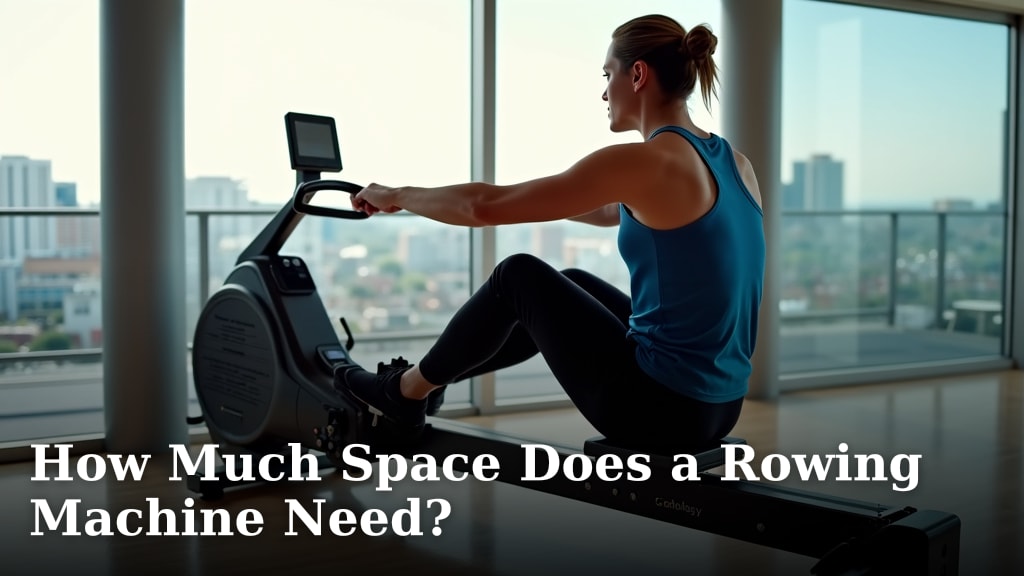
You generally need about 9-10 feet in length and 4 feet in width to comfortably use a rowing machine. This includes space for the machine itself and a little extra room for movement. Most rowing machines are quite long when in use.
Finding the right spot for your home gym equipment can be tricky, right? You want enough space to exercise effectively without feeling cramped. We found that considering both the machine’s operational footprint and a little extra buffer ensures a comfortable and safe workout environment.
- Rowing machines need 9-10 feet long and 4 feet wide.
- Add extra room for comfortable movement.
- Many models fold or stand upright for storage.
- Check the machine’s specific dimensions before buying.
- Think about ceiling height if you plan to store it vertically.
Let’s walk through everything you need to know about finding the perfect spot for your rowing machine, including how different models might fit into your home.
Understanding the Footprint of Your Rowing Machine
To use a rowing machine comfortably, you generally need a space about 9-10 feet long and 4 feet wide. This accounts for the machine itself and some room for your movement.
You’re not just measuring the machine’s static length. You also need to consider the full range of motion. Your arms extend forward, and your legs push back, requiring more room than the machine’s frame alone. We found that skimping on space can lead to awkward workouts or even bumping into furniture.
Think of it like dancing. You need enough space to move freely, not just stand still. A little extra room allows for a more natural and effective rowing stroke, which is essential for proper form and avoiding injury (American Council on Exercise).
Measuring Your Available Space Accurately
Before you even look at models, grab a tape measure. We recommend measuring the area where you plan to put your rower. This helps you visualize the fit.
Measure the length from wall to wall, or from an obstruction to another. Then, measure the width in the same way. Don’t forget about potential obstacles like doorways, windows, or even low-hanging light fixtures.
Always add a buffer. We found that adding an extra foot in length and six inches on each side for width makes a significant difference. It’s like leaving room for your elbows at the dinner table.
Considering Walls and Obstacles
Walls are often closer than you think. When rowing, your hands and feet move. You don’t want to hit anything or feel boxed in. Consider a spot where you have clearance on all sides, not just the ends.
Windows can be a blessing or a curse. A great view can make workouts more enjoyable. However, direct sunlight might degrade your machine over time, or the machine might block a window you need to open.
Standard Rowing Machine Dimensions Explained
Rowing machines vary in size, but most share common dimensions. Knowing these helps you compare models more easily.
The average rowing machine is about 7-8 feet long when fully assembled. This length accounts for the rail your seat slides on. The width is typically around 2-3 feet at its widest point, often at the front flywheel housing.
But remember, these are just the machine’s dimensions. You need to factor in your body’s movement as well. We’ve seen many people underestimate this crucial aspect.
Operational Footprint vs. Stored Footprint
This is a key distinction. The operational footprint is the space you need while actively rowing. The stored footprint is the space the machine takes up when it’s not in use, especially if it folds or stands upright.
Many rowing machines are designed to be space-savers when not in operation. This is a huge benefit if you live in a smaller home or apartment. We often hear from users who are surprised by how much space a folded rower saves.
Typical In-Use Dimensions
Let’s break down the “in-use” dimensions. A common model might be 8 feet long and 2 feet wide. But when you add your body, your total length requirement jumps to about 9-10 feet. The width might extend to 3-4 feet as your arms move.
This isn’t just about fitting the machine. It’s about being able to perform a full, unhindered stroke. Your knees come up, your arms extend, and your body leans slightly. All these movements require space.
Typical Stored Dimensions
For storage, many rowers can be folded or stood on end. A folded rower might reduce its length by half, standing upright to about 4-5 feet tall and 2-3 feet wide. Some models don’t fold but can be tipped vertically.
If you plan to store your rower vertically, measure your ceiling height carefully. You don’t want to bring home a machine only to find it won’t stand upright in your designated spot. We’ve seen this happen more than you’d think!
Comparing Rowing Machine Types and Their Space Needs
Different types of rowing machines have slightly different designs, which can impact their space requirements. This is where a little research can save you a lot of headache.
While the overall operational space is similar, their stored footprints can vary significantly. Some are built for compactness, while others prioritize stability and a larger frame.
Magnetic Rowing Machines
Magnetic rowers are often known for their smooth, quiet operation. They typically have a relatively compact footprint compared to other types, especially when stored.
Many magnetic models feature a folding design, making them excellent for small spaces. When folded, they can often be tucked away into a closet or corner. We find these are very popular for apartment dwellers.
Air Rowing Machines
Air rowers, like the popular Concept2, are very common in gyms. They are known for their sturdy build and realistic rowing feel. However, they can be among the longest machines when in use.
While many air rowers can be separated into two pieces for storage or stood on end, their folded dimensions are still substantial. If you’re considering an air rower, double-check its specific length. You might need a bigger storage area.
Water Rowing Machines
Water rowers are admired for their aesthetics and the soothing sound of rushing water. They often have a slightly wider front tank compared to magnetic or air rowers.
Many water rowers are designed to be stood upright for storage, which saves floor space. However, they don’t typically fold in half like some magnetic models. Their vertical storage height can be a factor.
Hydraulic Rowing Machines
Hydraulic piston rowers are generally the most compact option, both in use and for storage. They often lack a long rail, making them shorter overall.
These are excellent if you have very limited space. However, they might not offer the same full-body workout range or smoothness as other types. It’s a trade-off between space and performance.
Here’s a quick overview of typical dimensions:
| Rower Type | Approx. In-Use Length | Approx. In-Use Width | Approx. Stored Footprint |
|---|---|---|---|
| Magnetic | 7-8.5 ft | 2-2.5 ft | 3-4 ft (folded) |
| Air | 8-9 ft | 2-2.5 ft | 4-5 ft (vertical/separated) |
| Water | 7-8.5 ft | 2.5-3 ft | 4-5.5 ft (vertical) |
| Hydraulic | 4-5 ft | 2-2.5 ft | 2-3 ft (often non-folding) |
Remember, these are averages. Always check the manufacturer’s specifications for the exact model you’re considering.
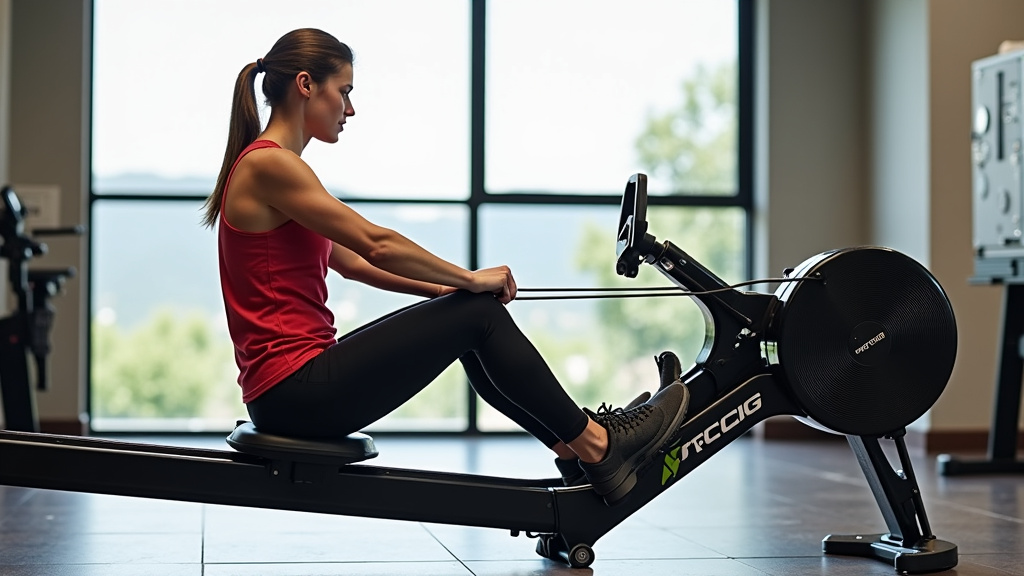
Essential Pre-Purchase Space Checklist
Before you commit to a rowing machine, let’s make sure you’ve covered all your bases. A little planning now can save you a big headache later. We’ve compiled a quick checklist to guide you.
- Measure your designated space: Get accurate length, width, and height measurements.
- Research the rower’s operational dimensions: Find the exact length and width when in use.
- Consider storage options: Will it fold? Stand upright? Measure for these scenarios.
- Account for movement buffer: Add 1 foot to length and 6-12 inches to width for comfort.
- Check ceiling height: Especially if vertical storage is a plan.
- Visualize the setup: Imagine yourself rowing in that space. Will you feel comfortable?
This checklist helps ensure you pick a machine that fits not just your workout goals, but also your living space. We want you to enjoy your rowing, not feel like you’re playing Jenga with your furniture.
Conclusion
Finding the right amount of space for your rowing machine is key to a great workout experience. We’ve shown you that while 9-10 feet long and 4 feet wide is a good general guideline, your exact needs depend on the model and how you plan to store it. Always factor in extra room for movement to ensure comfort and safety.
Don’t just measure the machine; measure your body in motion! By using our checklist and understanding the difference between operational and stored footprints, you can confidently choose a rower that fits perfectly into your home and your lifestyle. Take the time to measure properly, and you’ll be set for many smooth, effective workouts.
Frequently Asked Questions
Can I put a rowing machine in a small apartment?
Yes, absolutely! Many rowing machine models, especially magnetic and hydraulic types, are designed with small spaces in mind. Look for models that fold easily or stand upright to maximize your living area when not in use.
Do I really need extra space beyond the machine’s dimensions?
Yes, you definitely do. The machine’s dimensions only tell part of the story. You need additional room for your body’s full range of motion during the rowing stroke. This prevents you from hitting walls or feeling cramped, ensuring a safer and more effective workout.
What’s the best way to measure for a rowing machine?
First, measure the exact length, width, and height of your intended space. Then, find the “in-use” dimensions of the specific rower you like. Add at least one foot to the length and six inches to each side of the width for your movement buffer. Don’t forget ceiling height if you plan to store it vertically.
Are some rowing machine types better for small spaces than others?
Yes, definitely. Hydraulic rowers are typically the most compact, followed closely by many magnetic rowers that offer folding designs. Air and water rowers tend to be longer, even if they can be stored vertically or separated. Consider your space first, then the rower type.
Will a rowing machine damage my floor?
A rowing machine can scratch or dent certain floor types, especially if it’s used on hardwood or sensitive surfaces. We recommend placing a rubber mat or protective pad underneath your rowing machine. This also helps reduce noise and adds stability during your workout.
