
How Much Weight Can a Rowing Machine Hold?
Most rowing machines can hold between 250 to 500 pounds of user weight. We found that the exact capacity depends on the model and brand of the rower. Always check the manufacturer’s specifications for your specific machine.
Understanding your rowing machine’s weight limit is super important for both safety and durability. Overloading it can cause damage or even void your warranty. We want you to row safely and effectively.
- Most rowers handle 250-500 lbs.
- Check your specific model’s manual.
- Exceeding limits can cause damage.
- Safety and warranty depend on it.
Let’s dive deeper into how much weight a rowing machine can truly hold and what you need to look for.
Understanding Rowing Machine Weight Capacities
Most rowing machines safely support users weighing between 250 and 500 pounds. This range covers a wide variety of users, but it’s important to know where your specific machine falls.
Knowing your rower’s weight limit is like knowing your car’s towing capacity. You wouldn’t overload your car, right? The same goes for your rowing machine.
Why Do Weight Limits Matter?
Weight limits aren’t just arbitrary numbers. They are there for your safety and the machine’s longevity. Exceeding them can lead to several problems.
- Structural Damage: Components like the frame, seat, and monorail can bend or break under too much stress.
- Safety Risks: A damaged machine can suddenly fail, causing falls or injuries during your workout.
- Reduced Performance: The rowing motion might not be smooth, and the machine could feel unstable.
- Voided Warranty: Most manufacturers will not cover repairs if the damage is due to exceeding the stated weight limit.
We want you to row confidently, without worrying about a wobbling seat or a snapping part.
The Impact on Machine Components
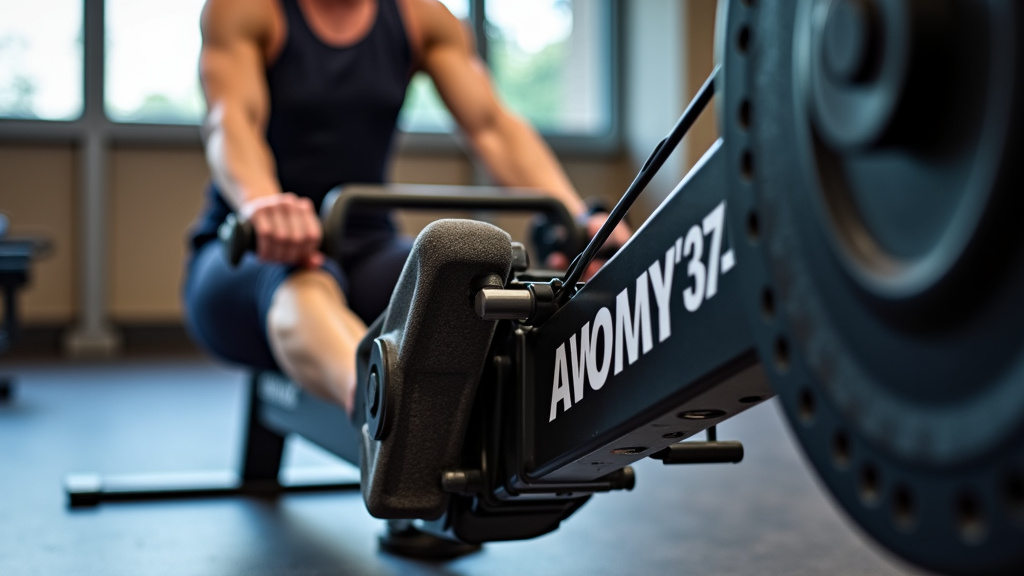
Think about the individual parts of your rower. The seat rollers need to glide smoothly. The monorail needs to support your weight without flexing. The foot stretchers need to hold your feet firmly.
Each component has been engineered to handle a certain amount of force and weight. Overloading means putting more strain than intended on these parts. This can cause premature wear and tear, leading to costly repairs or even a need for a new machine much sooner than expected.
Factors Influencing a Rower’s Weight Limit
What makes one rowing machine hold more weight than another? It comes down to a few key design and material choices made by the manufacturer.
Construction Materials
The materials used to build the rower play a huge role. For example, a heavy-duty steel frame will naturally support more weight than a lightweight aluminum frame.
- Steel: Often found in commercial-grade or higher-end home rowers, steel offers superior strength and durability.
- Aluminum: Lighter and often used in more affordable or portable models. It’s strong but might have a lower weight capacity than steel.
- Wood: Some beautiful wooden rowers exist. Their strength depends on the type of wood and construction, often comparable to mid-range aluminum.
- Plastic/Composite: Used for smaller parts or covers. These parts are rarely weight-bearing themselves but contribute to the overall structure.
When you see a machine advertised as “commercial grade,” it usually means it’s built with more robust materials designed for frequent, heavy use by many different people.
Frame Design and Stability
The way the frame is designed also matters. A wider base provides more stability, distributing weight better. A reinforced frame will handle stress points more effectively.
Consider the difference between a simple folding chair and a sturdy dining chair. Both hold weight, but the dining chair’s design makes it much more stable and capable of holding more.
Seat and Monorail Strength
The seat and the rail it glides on (the monorail) are critical. They bear most of your body weight directly.
A high-quality monorail will be thick and rigid, resisting bending. The seat assembly, including its wheels or rollers, must be durable enough to withstand repeated glides under pressure.
Finding Your Rowing Machine’s Weight Capacity
So, you’ve got a rower or you’re looking to buy one. How do you find this crucial weight limit? It’s usually very easy to locate.
Checking the Manufacturer’s Specifications
The most reliable source of information is always the manufacturer. They design and test the machines, so their numbers are definitive.
- Product Manual: Your rower’s manual is a treasure trove of information. The weight limit is almost always listed under “specifications” or “safety guidelines.”
- Manufacturer’s Website: If you don’t have the manual, head to the brand’s official website. Search for your specific model. The product page will typically list the maximum user weight.
- Product Listing: If you’re shopping online, look at the product description on retailer websites. Reputable sellers always include this detail.
Don’t guess! A quick check can save you a lot of trouble down the line.
General Range by Rower Type
While specific models vary, you can often find a general weight capacity based on the type of rowing machine.
| Rower Type | Typical Weight Capacity Range | Notes |
|---|---|---|
| Magnetic Rowers | 250 – 300 lbs | Often more compact; good for home use. |
| Air Rowers | 300 – 500+ lbs | Durable, popular in gyms, can handle higher impact. |
| Water Rowers | 300 – 400 lbs | Often well-built, known for smooth feel. |
| Hydraulic Piston Rowers | 220 – 275 lbs | Most compact and affordable; typically lower limits. |
| Commercial-Grade Rowers | 400 – 500+ lbs | Built for heavy use, found in gyms. |
This table gives you a rough idea. Always remember that these are just averages. Your specific model might be higher or lower.
What If You’re Near the Limit?
If your weight is close to the machine’s stated maximum, you might wonder if it’s still safe to use. We always recommend erring on the side of caution.
Considering a Buffer Zone
Think of it like a speed limit. While the sign says 60 mph, most people feel safer driving a little under that, especially in bad weather. The same applies here.
If you weigh 290 pounds and your rower has a 300-pound limit, you’re within the specs. However, you’re also putting the machine through its paces at its very edge. Many experts suggest leaving a 10-20% buffer zone below the maximum weight for optimal longevity.
This buffer helps account for the dynamic forces generated during rowing. You’re not just sitting still; you’re pushing and pulling, which creates additional stress beyond your static body weight.
When to Upgrade to a Higher Capacity Rower
If you consistently find yourself at or very near the maximum weight, it might be time to consider a more robust machine. It’s an investment in your safety and a better workout experience.
Here’s a quick checklist to help you decide:
- Is your current machine showing signs of stress (creaking, wobbling)?
- Do you feel unstable or unsafe during your workouts?
- Is your weight consistently within 10-15 lbs of the stated limit?
- Are you looking for a more durable machine for intense, daily use?
- Has your weight fluctuated upwards since you purchased the rower?
Choosing a rower with a higher weight capacity means more peace of mind. You won’t have to worry about pushing its limits, and it will likely last longer too.
The Importance of Proper Maintenance
Even if you’re well within the weight limit, good maintenance can extend the life of your rowing machine.
Keeping Your Rower in Top Condition
Regular cleaning and basic checks can prevent small issues from becoming big problems. Think of it as preventative care for your fitness equipment.
- Clean the Monorail: Dust and grime can interfere with seat rollers. Wipe it down regularly.
- Check for Loose Bolts: Vibrations can loosen fasteners over time. Tighten them as needed.
- Inspect the Seat Rollers: Ensure they move freely and aren’t worn out.
- Lubricate Moving Parts: Follow the manufacturer’s recommendations for any lubrication points.
- Store Properly: If it’s a folding rower, make sure it’s stored securely.
A well-maintained machine functions better and is safer to use, regardless of your weight.
Conclusion
You now understand that a rowing machine’s weight capacity isn’t just a suggestion; it’s a critical factor for your safety and the machine’s lifespan. Most rowers comfortably support 250-500 pounds, but your specific model’s manual or manufacturer’s website holds the definitive answer. We found that choosing a machine with a buffer zone, especially if you’re near the limit, can prevent damage and ensure a smoother, more reliable workout. Prioritize safety and durability by always checking the specs and maintaining your equipment. Your body and your rower will thank you.
Frequently Asked Questions
What happens if I exceed my rowing machine’s weight limit?
Exceeding the weight limit can lead to structural damage, such as bent frames or broken seats. It also creates safety risks like machine failure during your workout. Furthermore, it can void your manufacturer’s warranty, leaving you responsible for repair costs.
Does my weight limit include the force I exert while rowing?
While the stated weight limit is typically for your static body weight, the dynamic forces of rowing do add stress. That’s why we recommend a 10-20% buffer zone. This helps ensure the machine can safely handle both your weight and the additional force from your workout.
Are more expensive rowing machines always able to hold more weight?
Generally, higher-priced and commercial-grade rowers are built with more robust materials and designs, leading to higher weight capacities. However, it’s not a universal rule. Always check the manufacturer’s specifications for the exact limit of any model, regardless of its price point.
Can I use a rowing machine with a lower weight limit if I’m only slightly over?
We strongly advise against using a rowing machine if your weight exceeds its stated limit, even slightly. This compromises both your safety and the machine’s integrity. It’s much safer to choose a rower that comfortably accommodates your weight with a suitable buffer.
How can I find the weight limit if I’ve lost my rowing machine’s manual?
If your manual is missing, the best way to find the weight limit is by visiting the manufacturer’s official website. Search for your specific model number, and the product page or support section will typically list all its specifications, including the maximum user weight.
