How To Choose Rowing Machine?
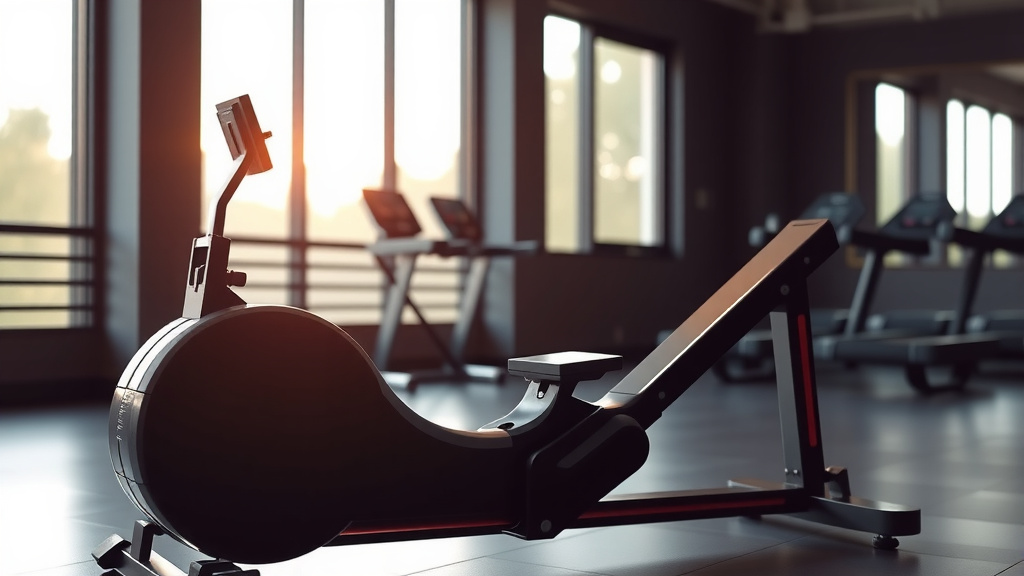
To choose a rowing machine, consider your available space, budget, and desired resistance type. Think about how often you plan to use it and the features that matter most for your fitness goals.
When learning how to choose rowing machine, prioritize durability, comfort, and the console’s ability to track your progress accurately for a satisfying workout experience.
For a quick rundown on picking your perfect rower, here’s what you need to know:
- Identify your workout goals: are you training for endurance or general fitness?
- Match resistance types to your preference: air for dynamic feel, magnetic for quiet, water for smooth, hydraulic for compact.
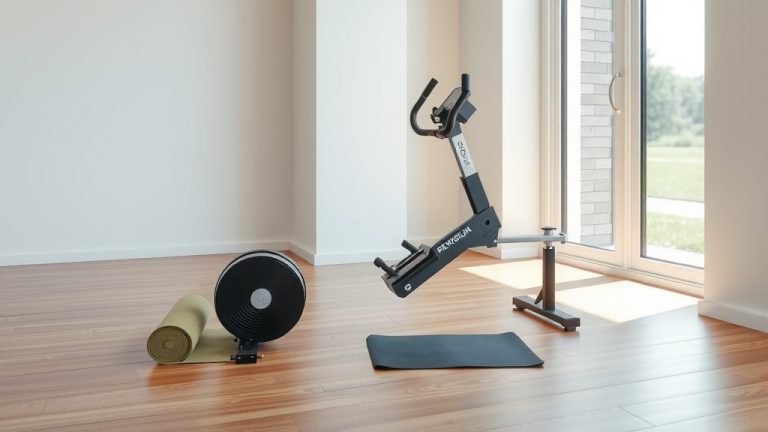
- Measure your space: folding models save room if you’re tight on space.
- Set a budget: prices vary widely, but good quality is achievable at many levels.
- Check comfort: seat, handle, and footrests make a huge difference in long-term use.
How To Choose Rowing Machine?
Choosing a rowing machine might seem tricky with so many options. The key is to match the machine’s features to your personal fitness needs and lifestyle. We found that a clear understanding of your priorities makes the decision much simpler.
Why Choose a Rowing Machine for Your Home Gym?
Rowing offers a fantastic full-body workout, engaging about 86% of your muscles. It’s low-impact, meaning it’s gentle on your joints while still providing a powerful cardio and strength challenge. Many experts say it’s one of the most efficient exercise machines you can own (American Council on Exercise).
Understanding Resistance Types
The biggest difference between rowers often comes down to how they create resistance. Each type offers a unique feel and set of benefits. Consider what kind of workout experience you prefer before anything else.
Air Rowers
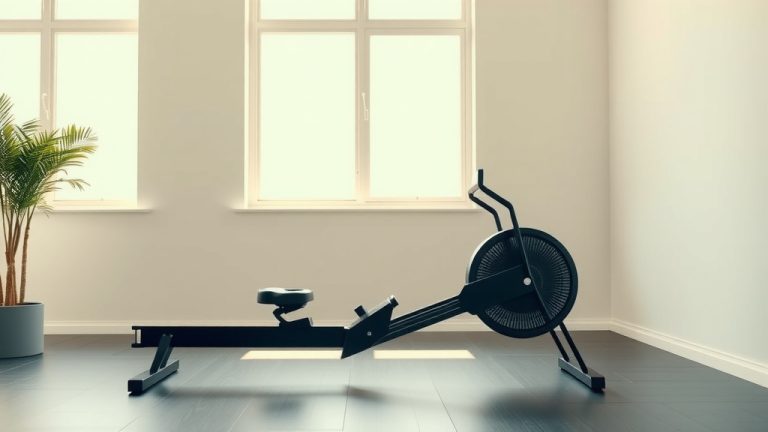
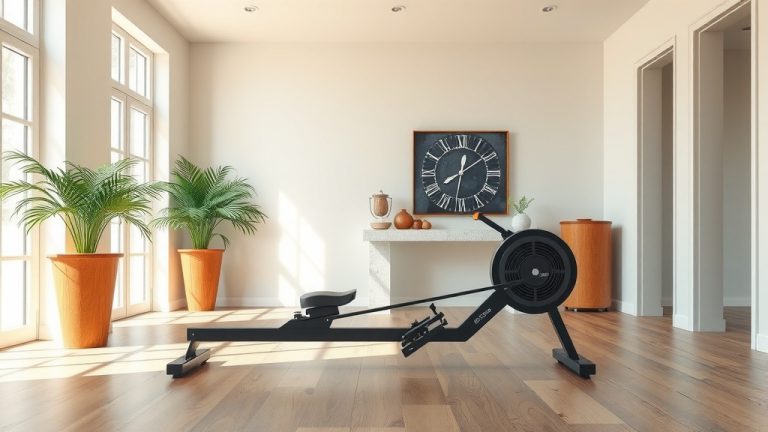
Air rowers use a flywheel that spins when you pull, creating resistance from moving air. They offer a very smooth, realistic rowing feel that mimics being on water. The harder you pull, the more resistance you get, which is great for interval training. They can be a bit noisy, though, like a strong fan.
Magnetic Rowers
These machines use magnets and a flywheel to create resistance, often adjustable with a simple knob or console button. They are usually very quiet, making them ideal for apartment living or late-night workouts. The resistance is consistent, but some find the feel less natural than air or water models.
Water Rowers
Water rowers feature a tank with paddles that spin through water, giving a highly authentic and soothing rowing experience. The sound of sloshing water is often calming, and the resistance increases naturally with your effort. They tend to be larger and heavier, but many love their smooth feel and quiet operation.
Hydraulic Piston Rowers
Hydraulic rowers use a piston system attached to the oar arms, creating resistance through hydraulic fluid. They are typically the most compact and affordable option, making them great for small spaces and tight budgets. The resistance might feel less natural, and both arms work independently. Some users report they are less durable for intense, daily use.
Here’s a quick overview of resistance types:
| Type | Feel | Noise Level | Price Point |
|---|---|---|---|
| Air | Dynamic, realistic | Moderate (fan-like) | Mid-to-High |
| Magnetic | Consistent, smooth | Very Quiet | Low-to-Mid |
| Water | Smooth, authentic | Low (sloshing sound) | Mid-to-High |
| Hydraulic | Direct, less natural | Quiet | Very Low |
Space and Storage Considerations
Before you buy, grab a tape measure! Rowing machines can take up a fair bit of floor space. If your living area is small, look for models that fold or can be stored vertically. Some rowers are designed to be quite compact even when in use. We found that checking dimensions carefully prevents surprises later.
Comfort and Ergonomics
You’ll be spending a lot of time on this machine, right? So, comfort is not just a luxury; it’s a necessity for sticking with your routine. An uncomfortable rower can quickly turn your workout into a chore. Think about the details that make a difference.
Seat Comfort
A well-padded, ergonomically shaped seat is vital. Some seats are too hard, causing discomfort on longer rows. Many experts suggest a seat that allows for a natural hip rotation and doesn’t pinch. A wider seat might feel better for some users.
Footrests and Handle
Adjustable footrests with secure straps keep your feet stable. The handle should be comfortable to grip and wide enough for your shoulders. A handle that causes wrist strain is a definite no-go. We found that a slightly angled handle can help with natural wrist alignment.
Tracking Your Progress
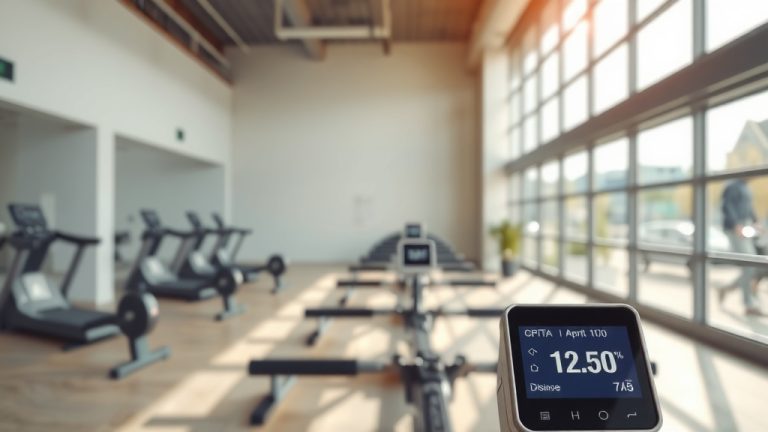
A good monitor or console helps you stay motivated and track your fitness journey. Look for displays that show key metrics like strokes per minute, distance, time, and calories burned. Some advanced monitors offer pre-set workouts, heart rate connectivity, or even connect to fitness apps. This data helps you measure improvement and set new goals.
Budget Considerations
Rowing machines vary widely in price, from a couple of hundred dollars to several thousand. Generally, higher prices reflect better build quality, more features, and superior durability. Decide what you can reasonably spend, but remember that investing in quality often pays off in the long run with fewer maintenance issues and a better user experience. Don’t feel pressured to buy the most expensive model; there are great options at every price point.
Warranty and Durability
A rowing machine is an investment, so you want it to last. Look at the frame material, which is often steel or aluminum. A robust frame means stability. Check the warranty for both the frame and parts. A longer warranty often signals a manufacturer’s confidence in their product’s durability. We found that machines with a strong warranty and solid construction are more reliable (Consumer Reports).
Test Before You Buy
If possible, try out a few different models at a local fitness store. Sit on the seat, pull the handle, and feel the motion. This personal experience will tell you more than any review or spec sheet. It helps you understand the nuances of each resistance type and overall comfort. Is the motion smooth? Does it fit your body? These are questions only you can answer by trying it.
Your Rowing Machine Checklist
Use this quick checklist to help guide your final decision:
- What is my primary fitness goal with this rower?
- How much space do I actually have for it?
- Which resistance type feels best and fits my noise preference?
- Is the seat, handle, and foot placement comfortable for me?
- Does the console provide the data I need to stay motivated?
- Does the warranty coverage instill confidence in its longevity?
Conclusion
Choosing the right rowing machine doesn’t have to be overwhelming. By focusing on your personal needs—space, budget, comfort, and desired workout feel—you can narrow down the choices significantly. Remember, the best rower for you is one you’ll actually use consistently. A thoughtful decision now means many enjoyable, effective workouts in the future. Happy rowing!
Can a beginner use a rowing machine effectively?
Absolutely! Rowing machines are excellent for beginners because they offer a full-body, low-impact workout. Start with shorter sessions, focusing on proper form to prevent injury. Many machines include beginner-friendly programs, and online tutorials are readily available to guide you.
How often should I use my rowing machine?
Most fitness guidelines suggest aiming for at least 150 minutes of moderate-intensity cardio per week (CDC). For a rowing machine, this could mean 30-minute sessions five times a week, or shorter, more intense workouts. Listen to your body and gradually increase duration or intensity.
Are water rowers really quieter than air rowers?
Generally, yes. Water rowers produce a soothing swishing sound from the water in the tank, which is often perceived as much quieter and more pleasant than the fan-like whir of an air rower. Magnetic rowers are typically the quietest overall, followed by hydraulic piston models.
What is the ideal budget for a good quality home rowing machine?
A good quality home rowing machine for regular use typically ranges from $500 to $1,000. Machines above this price often offer advanced features, higher durability, and smarter technology. You can find basic models for less, but they might not withstand heavy or frequent use over time.
Can I get a full-body workout on a rowing machine?
Yes, a rowing machine provides a comprehensive full-body workout. It engages your legs (quads, hamstrings, glutes) during the drive, your core for stabilization, and your upper body (back, shoulders, arms) during the pull. This makes it an incredibly efficient piece of exercise equipment.