
How to Decrease Rowing Machine Resistance?
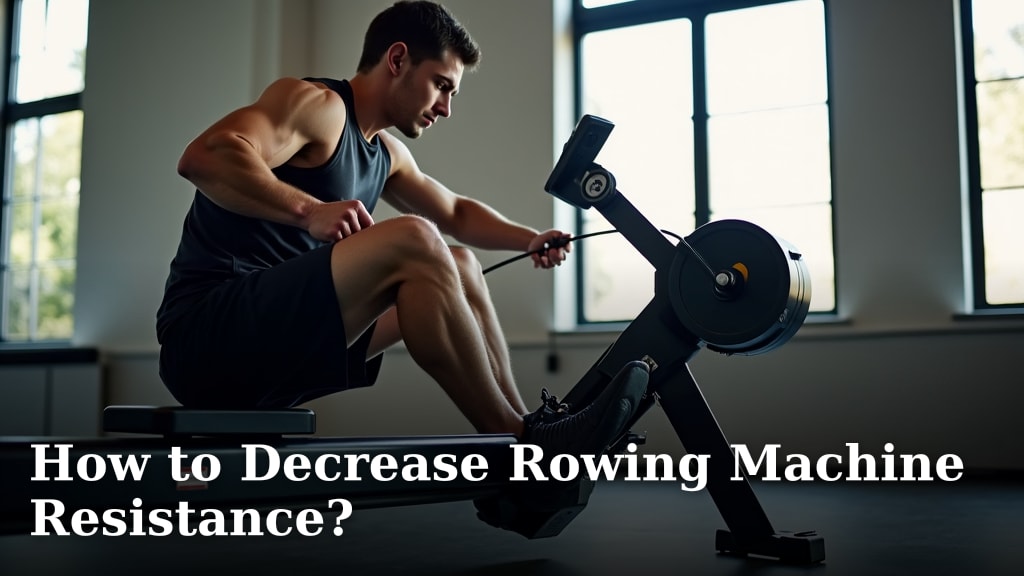
The easiest way to decrease rowing machine resistance is to lower the tension setting using
Adjusting Resistance on Your Rower: Finding the Right Setting
The core idea is simple: you turn a knob, press a button, or move a lever to make your workout easier. But why does this matter so much? Starting with the proper resistance ensures you build good form and avoid injury. Many people make the mistake of cranking the resistance too high, too soon. You want a setting where you can maintain powerful, controlled strokes for the duration of your workout.
The American College of Sports Medicine recommends starting with lighter resistance to master proper technique (ACSM). Proper form protects your lower back and maximizes your calorie burn. Think of resistance like the gears on a bike; you need the right gear to climb the hill effectively without burning out.
Understanding Your Rower’s Resistance System
To adjust the resistance, you first need to know what type of rower you have. There are three main systems. The adjustment method changes completely depending on which one you own. Don’t worry, it’s not complicated.
The most common systems use air, water, or magnetic force. Each creates drag differently. Let’s break them down.
- Air Resistance: Uses a spinning fan. The harder you pull, the more air is displaced, creating more resistance.
- Water Resistance: Uses paddles spinning in a tank of water. Similar to air, a harder pull churns more water, increasing the feeling of resistance.
- Magnetic Resistance: Uses magnets near a flywheel. You set a specific level, and the resistance stays constant at that level.
We found that most home gym rowers are either air or magnetic. Commercial gyms often have water rowers. Knowing your type is the first step to making it easier.
Air and Water Rowers: It’s All About Your Effort
Here’s the key for air and water rowers: there is no resistance dial. The machine itself doesn’t have levels. Instead, the resistance is generated by your own power. A harder pull creates more resistance. A softer pull creates less.
This feels different than a treadmill. You are in complete control. To decrease the resistance, you simply need to pull with less force. Focus on a long, smooth stroke rather than a short, violent yank. Many beginners find this counterintuitive. They think they have to pull as hard as possible. You don’t.
Techniques for a Lighter Pull
When you want to decrease the effective resistance, adjust your stroke:
- Think long and slow. Extend your legs fully and lean back slightly at the finish.
- Focus on the catch. A quick, clean catch with good form is better than a slow, powerful one.
- Use a breathing rhythm. Inhale on the recovery (sliding forward), exhale on the drive (pulling back).
It’s like dancing. Power comes from rhythm and technique, not just muscle. You’ll use less energy and feel less strain on your joints.
Magnetic Rowers: Your Digital Control Center
This is where the direct answer lives. Magnetic resistance rowers are the ones with the digital controls. They usually have a console with buttons or a touchscreen. You literally press a button to lower the resistance.
Look for a display that shows a number, like “Level 15.” Press the “minus” (-) button or the down arrow. The number will drop, and you will immediately feel it become easier to pull. This is the simplest, most straightforward method.
Most magnetic rowers have resistance levels from 1 to 20. A setting of 1-5 is considered light. It’s great for warm-ups, cool-downs, or recovery days. The CDC notes that light to moderate intensity exercise is beneficial for heart health and weight management (CDC).
A Step-by-Step Guide to Lowering the Difficulty
Let’s get practical. Here’s what you do, depending on your machine. This is your go-to reference.
| Rower Type | How to Decrease Resistance | Where to Look |
|---|---|---|
| Air Rower | Pull with less force. Focus on form, not power. | Your own muscles and stroke technique. |
| Water Rower | Pull with less force. The water resistance is dynamic. | Your own muscles and stroke technique. |
| Magnetic Rower | Press the “-” or down arrow button on the console. | Digital display panel or touchscreen. |
| Hydraulic Rower | Adjust the piston cylinder knob. Turn towards “low” or “1.” | Knob on the hydraulic cylinder itself. |
After adjusting, take a few test strokes. Does it feel better? Adjust again if needed. Your goal is a challenging but sustainable effort level.
What If Your Rower Doesn’t Have Controls?
Remember, if you have an air or water rower, you might feel stuck. You see other people at the gym making it look easy. You might think your form is wrong. But often, it’s simply because they’ve learned to control their power output.
The solution isn’t a button. It’s a change in your mindset. Shift your focus from “how hard can I pull” to “how efficiently can I move.” This is how experienced rowers train for long distances. They conserve energy while maintaining speed.
Why You Shouldn’t Be Afraid of Low Resistance
There’s a myth that a workout is only good if you’re exhausted. High resistance isn’t always better. In fact, starting too heavy is a common cause of lower back pain on the rower (Mayo Clinic). Light resistance is your friend.
Using lower settings is essential for:
- Learning proper form. You can focus on your body position without fighting the machine.
- Active recovery days. Light rowing promotes blood flow to tired muscles, helping them repair.
- Endurance training. Long sessions at low intensity build your aerobic base.
- Rehabilitation. After an injury, light resistance is a safe way to regain mobility.
Think of it as building a house. The foundation (technique) must be solid before you can add the heavy walls (high resistance).
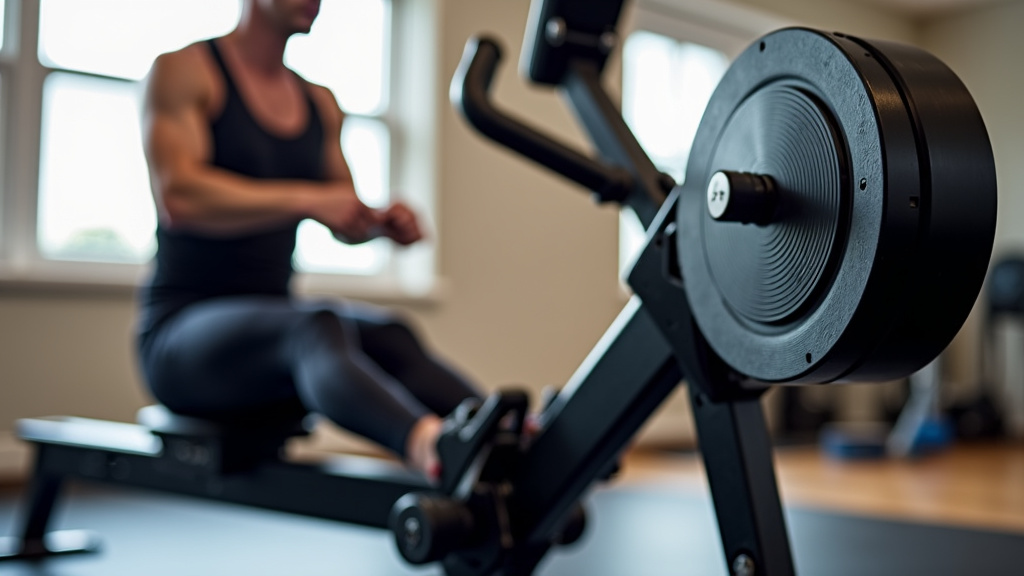
Troubleshooting Common Resistance Issues
Sometimes things don’t feel right. You’ve turned the knob all the way down, but it’s still hard. Or maybe it feels too easy and won’t get harder. Let’s solve that.
Problem: The Rower Feels Too Heavy Even on the Lowest Setting
This is common with new air or water rowers. For air rowers, the fan might need a quick clean. Dust and debris can slow it down, creating uneven resistance. For water rowers, check the water level. Too little water can create a heavy, sludgy feel at the start.
It could also be your technique. If you’re rushing the catch (the starting position), you’ll feel a sudden jolt. Try slowing down your slide forward. A controlled, smooth motion makes the resistance feel lighter from the very beginning of the stroke.
Problem: The Magnetic Rower Isn’t Changing Levels
First, check if it’s plugged in. Some magnetic rowers need power for the resistance to work. Second, look at the console. Is there an error message? A simple reboot (turning it off and on) often fixes digital glitches.
If the buttons are unresponsive, it might be a mechanical issue. Contact the manufacturer’s support. They can guide you through a reset or determine if a part needs service.
Problem: It’s Suddenly Much Harder Than Usual
If your usual workout suddenly feels impossible, listen to your body. It could be fatigue, dehydration, or you might be getting sick. Reduce the resistance dramatically and listen to what your body is telling you. Consistency is more important than intensity on any given day.
Quick Checklist for Your Next Row
Use this before you start your workout. It takes 30 seconds and makes a huge difference.
- Identify your rower type. Air, water, magnetic, or hydraulic?
- Check your current setting. Note the number or knob position.
- Perform 10 test strokes at your planned resistance.
- Ask: “Can I maintain perfect form?” If not, it’s too heavy.
- Lower it by one level (or focus on pulling lighter).
- Start your workout feeling strong and in control.
You are the engine. The rower just provides the resistance. By adjusting that resistance, you are tailoring the workout to your goals for that day. That’s smart training. Now go enjoy your row.
Conclusion
You now know that decreasing rowing machine resistance depends on your rower type. For air and water models, pull with less force and focus on smooth form. For magnetic rowers, simply lower the digital level using the console buttons. Remember, lighter settings are key for learning technique, recovering, and building endurance. Don’t see low resistance as a weakness—it’s a smart training tool. Your next step? Use the checklist from the article before your next row. Identify your machine, test your strokes, and adjust until you feel strong and in control. You’ve got this.
Frequently Asked Questions
How do I decrease resistance on a Concept2 rower?
Concept2 uses air resistance, so you control it with your pull. To make it easier, focus on long, smooth strokes instead of short, powerful ones. This reduces the air displacement and lowers the effective resistance.
Can I make my water rower feel lighter without changing water levels?
Yes, you can. Water resistance is dynamic and tied to your effort. Simply pull with less force and maintain a consistent, rhythmic stroke. The less water you churn, the lighter it feels.
What’s a good low resistance setting for warm-ups?
For magnetic rowers, aim for levels 1 to 5. For air or water rowers, focus on pulling at about 40-50% of your maximum effort. We found that this range warms up muscles without causing fatigue.
Will low resistance still give me a good calorie burn?
Absolutely. Light resistance allows for longer, sustained workouts, which can burn more calories over time. The CDC notes that moderate-intensity exercise is effective for health and weight management.
Why is my magnetic rower stuck on high resistance?
First, check that the machine is plugged in and powered on. If the console is unresponsive, try restarting it. If issues persist, contact the manufacturer for support—it might need a reset or service.
