How To Get A Good Workout On Rowing Machine?
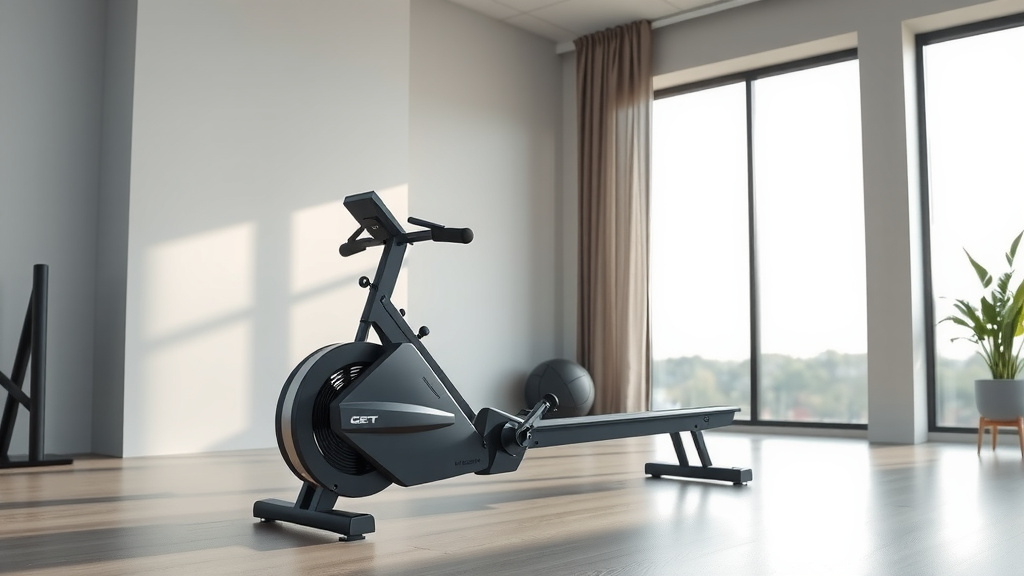
Getting a good workout on a rowing machine involves mastering proper technique, setting realistic goals, and varying your routines to engage all major muscle groups effectively.
You can achieve an intense, full-body workout by focusing on the powerful “drive” phase and maintaining consistent, rhythmic strokes on your rowing machine.
Here’s a quick guide to getting the most from your rowing machine:
- Focus on leg power, not just arm pulling.
- Keep your core engaged throughout the stroke.
- Vary your workouts with intervals and steady states.
- Adjust the damper setting to match your strength and goals.
- Listen to your body and prioritize consistent practice over intensity.
How To Get A Good Workout On Rowing Machine?
To get a good workout on a rowing machine, you need to combine correct form with smart programming. This machine offers a full-body challenge when used properly.
Mastering Your Rowing Form
Good form is the bedrock of any effective rowing workout. Without it, you risk injury and miss out on the full benefits. Think of it like learning to ride a bike; once you get it, it sticks.
The Catch Phase
Start with your knees bent, shins vertical, and arms extended forward. Your body should lean slightly forward from the hips. Imagine you are about to push off a wall.
The Drive Phase
This is where the power comes from. Push strongly with your legs first, driving your body back. As your legs extend, hinge back slightly at the hips, then pull the handle towards your mid-abdomen. It’s a smooth, connected motion: legs, core, then arms (Mayo Clinic).
The Finish Phase
At the finish, your legs are fully extended, body leaned back slightly, and the handle is at your abdomen. Your elbows should be past your body. You’re in a strong, balanced position.
The Recovery Phase
Now, reverse the drive. Extend your arms forward first. Then, lean your body forward from the hips. Finally, bend your knees, sliding the seat forward. It’s a controlled return: arms, core, then legs.
Setting Up Your Machine Right
A properly adjusted rowing machine enhances your workout and reduces strain. Don’t just jump on; take a moment to set it up for your body.
Adjusting Foot Straps
Place your feet so the strap crosses the widest part of your foot, just below your toes. This allows you to drive through your heels. Loose straps mean less power transfer.
Understanding the Damper Setting
The damper controls airflow to the flywheel, simulating boat drag. A higher setting (e.g., 8-10) doesn’t mean a “better” workout; it means more air resistance. Many experts recommend a lower to medium setting (e.g., 3-5) for most workouts (Concept2, NIH research shows lower settings are often more efficient). This feels like a smoother, more realistic row.
Designing Your Rowing Workout
Variety keeps things interesting and targets different fitness aspects. A good workout blends different intensities and durations.
Warm-Up Routine
Always start with 5-10 minutes of light rowing at an easy pace. This prepares your muscles and heart for the work ahead. Think of it as gently waking up your body.
Interval Training (HIIT)
High-Intensity Interval Training is fantastic for cardio and calorie burn. It involves short bursts of maximum effort followed by recovery periods. For example, row hard for 1 minute, then rest or row lightly for 2 minutes. Repeat this cycle several times.
Steady-State Endurance
For building stamina, try steady-state rowing. Maintain a moderate, consistent pace for 20-45 minutes. You should be able to hold a conversation, though with some effort. This is great for building your aerobic base.
Pyramid Workouts
Increase your intensity or duration incrementally, then decrease it. For example, row for 2 minutes, then 3, then 4, then 3, then 2, with short rests in between. This adds a fun challenge and keeps muscles guessing.
Monitoring Your Effort
How do you know if you’re working hard enough? There are simple ways to check your effort level without fancy gadgets.
Perceived Exertion Scale
This scale (1-10) measures how hard you feel you’re working. A moderate workout might be a 6-7, while an intense interval is an 8-9. It’s a great way to listen to your body.
Heart Rate Zones
If you have a heart rate monitor, aim for specific zones. For example, 60-70% of your maximum heart rate for endurance, or 80-90% for intervals. Research often connects these zones to specific fitness gains (American College of Sports Medicine).
Consistency and Listening to Your Body
Regularity trumps sporadic intensity every time. Showing up consistently, even for shorter workouts, makes a huge difference. Also, knowing when to rest is as important as knowing when to push.
Building a Routine
Aim for 3-5 rowing sessions per week. Start with shorter sessions if you’re new, then gradually increase duration. Your body adapts over time, getting stronger and more efficient. Consistency helps form lasting habits.
Preventing Overtraining
If you feel chronic fatigue or joint pain, take a rest day. More isn’t always better. Adequate rest allows your muscles to repair and grow. Ignoring these signals can lead to injury and burnout. Remember, rest is part of the training process.
Quick Checklist for a Great Rowing Workout
Before you start, run through these points for an optimal session:
- Feet secured firmly in straps?
- Damper set to your preferred resistance?
- Posture correct: tall spine, shoulders relaxed?
- Mind engaged, ready to focus on form?
- Water bottle nearby for hydration?
Comparing Rowing Styles
Different damper settings and stroke rates can change your workout feel dramatically. Here’s a simple look:
| Workout Style | Damper Setting | Stroke Rate (SPM) | Focus |
|---|---|---|---|
| Strength/Power | High (6-8) | Low (18-24) | Muscular drive |
| Endurance | Medium (3-5) | Medium (24-28) | Cardio fitness |
| Technique/Warm-up | Low (1-3) | Varied (20-30) | Form and flow |
Conclusion
Getting a great workout on your rowing machine is within reach for everyone. It comes down to focusing on proper form, setting up your machine for success, and embracing varied workouts. Listen to your body, stay consistent, and remember that even short, focused sessions can build incredible fitness. You’ve got this!
Frequently Asked Questions
How long should a beginner row on a machine?
A beginner can start with 10-15 minute sessions, three times a week. Focus on maintaining good form over speed or distance. Gradually increase your time as your stamina and technique improve. The key is building a consistent habit.
What muscles does a rowing machine work?
A rowing machine provides a full-body workout, engaging about 86% of your muscles. It heavily works your legs (quads, hamstrings, glutes), core (abs, lower back), and upper body (lats, traps, biceps, triceps, shoulders). It truly is an efficient total-body exercise.
Is rowing better than running for cardio?
Both are excellent for cardio. Rowing offers a low-impact, full-body workout that builds strength simultaneously. Running is high-impact and primarily leg-focused. If you have joint issues or want upper body engagement, rowing might be a better choice for you. It depends on your fitness goals.
How can I make my rowing machine workout more challenging?
To increase the challenge, you can try several things. Increase your session duration, incorporate more high-intensity intervals, or focus on higher power output per stroke rather than just a higher stroke rate. You could also try different workout structures, like a pyramid scheme or longer sprint intervals. Avoid simply cranking up the damper too high, as that can lead to bad form.
Should I feel pain when rowing?
No, you should not feel sharp pain while rowing. Some muscle soreness is normal after a good workout, especially if you’re new to it. However, if you experience joint pain, tingling, or sharp discomfort, stop immediately. Check your form, lower the intensity, or consult a fitness professional to prevent injury. Your comfort and safety are paramount.