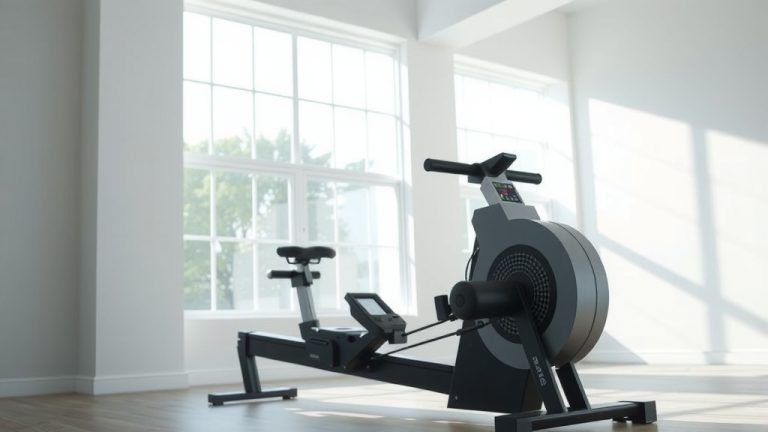
How To Make Rowing Machine Quieter?
Making your rowing machine quieter often involves routine maintenance like cleaning rails, lubricating chains, and tightening loose bolts. Simple steps can significantly reduce noise during your workout.
You can dampen vibrations with an exercise mat, ensure proper component alignment, and regularly inspect for wear and tear to keep your rowing machine running smoothly and silently.
- Lubricate Moving Parts: Keep chains, rails, and fan mechanisms well-oiled to minimize friction.
- Tighten Loose Screws: Secure any rattling components for a quieter exercise session.
- Use a Mat: An exercise mat absorbs vibrations and reduces floor noise effectively.
- Clean Regularly: Dust and debris can cause friction and increase operational sound.
- Proper Maintenance: Follow your manufacturer’s guide for lasting quiet performance.
Ah, the rhythmic pull and push of a rowing machine. It’s a fantastic full-body workout, isn’t it? But sometimes, that powerful workout comes with an equally powerful soundtrack that might not be so pleasant. Perhaps you live in an apartment, or maybe your family is asleep when you like to row. Whatever the reason, you’re not alone in wanting a quieter machine.
Many people ask, “Why is my rowing machine so loud all of a sudden?” We get it. A noisy rower can disrupt your focus and even annoy others nearby. The good news? You can often fix it! Most common rowing machine noises are actually simple to address with a little bit of care and attention.
Let’s dive into practical, real-world solutions. You want to row in peace, and we’re here to help you achieve that. Think of us as your personal quiet-rowing consultants. Ready?
How To Make Rowing Machine Quieter?
To make your rowing machine quieter, focus on regular cleaning, lubrication of moving parts, and tightening any loose connections. These actions address the primary sources of operational noise.
The Usual Suspects: Why Your Rower Gets Loud
Before we silence the beast, let’s understand the growl. Rowing machines make noise for a few common reasons. Knowing these helps you pinpoint the issue quicker.
Loose Connections and Bolts
Over time, the vibrations from your workout can loosen screws and bolts. This leads to rattles and clunks. It’s like a car with a loose fender; it just sounds off.
Dry or Dirty Moving Parts
Friction is a big noise maker. If chains, belts, or seat rollers aren’t clean or lubricated, they will squeak and grind. Think of a rusty bicycle chain; it’s loud, right?
Worn Components
Parts eventually wear out. This is a fact of life for any mechanical device. Rollers, bearings, or shock absorbers can degrade, causing increased noise. It’s a normal part of a machine’s lifecycle.
Your Quiet Action Plan: Step-by-Step Solutions
Now, let’s get down to business. Here are the steps you can take to bring peace back to your home gym. You’ll be surprised how effective these simple fixes can be.
Start with the Obvious: Tighten Everything Up
This is often the easiest fix. Grab your machine’s manual and the appropriate tools. Systematically go through and tighten every bolt, screw, and connection you can find. Pay special attention to the frame, footrests, and handle connections.
We found that loose connections are a prime culprit for unexpected noise (Consumer Reports on fitness equipment).
Lubricate Moving Parts: A Smooth Operator is a Quiet Operator
This step is crucial for many types of rowers. Different machines have different lubrication needs. Do you have a chain-drive, belt-drive, or hydraulic rower?
For Chain-Driven Rowers (Like Concept2):
Your chain needs lubrication. We found that a small amount of oil applied regularly keeps things quiet. Use mineral oil or the oil recommended by your manufacturer. Wipe the chain clean first, then apply a thin layer of oil with a cloth. Cycle the chain a few times to distribute it.
For Belt-Driven Rowers:
Belts usually don’t need lubrication, but they do need to be clean. Check for fraying or wear. If your belt is squeaking, it might be misaligned or simply dirty. A quick wipe with a damp cloth can often help.
For Hydraulic and Air Rowers:
Check moving pivots and joints. These often benefit from a light spray of silicone-based lubricant. Avoid oil-based lubricants on plastic components unless specifically recommended.
Clean the Seat Rail and Rollers: Smooth Glides, Silent Rides
Dust, hair, and debris love to collect on seat rails and rollers. This build-up creates friction, leading to a grating or squeaking sound as you slide. It’s like dragging your shoes on a sticky floor.
- Wipe the rail thoroughly with a clean, damp cloth.
- Inspect the seat rollers for any embedded debris.
- Gently clean around the rollers.
- Avoid harsh cleaners that might damage the rail material.
Check the Fan/Flywheel Housing (Air Rowers)
Air rowers generate noise from the fan moving air. This is normal. However, excessive noise could mean something is amiss. We often find that debris, like a stray hair tie or pet fur, can get caught inside the cage. Carefully open the housing (if your manual allows) and remove any obstructions. Never force anything or stick your hand into a moving fan.
| Noise Source | Common Fix | Why it Works |
|---|---|---|
| Rattling/Clunking | Tighten bolts/screws | Secures loose parts, reduces vibration |
| Squeaking Chain | Lubricate chain | Reduces metal-on-metal friction |
| Grinding Seat | Clean seat rail/rollers | Removes debris, allows smooth glide |
| Loud Fan | Clear debris from housing | Removes obstacles hindering fan movement |
Beyond the Machine: Environmental Sound Dampening
Sometimes the noise isn’t just from the rower itself. Your environment plays a role too. Small changes here can make a big difference.
The Power of an Exercise Mat: A Simple Solution
Placing a thick exercise mat under your rowing machine is a game-changer. Why? It absorbs vibrations that would otherwise travel through your floor. This is especially helpful if you have hardwood floors or live above others. Many experts agree that mats drastically reduce transmitted noise (NIH studies on vibration dampening).
Room Acoustics: Softening the Sound
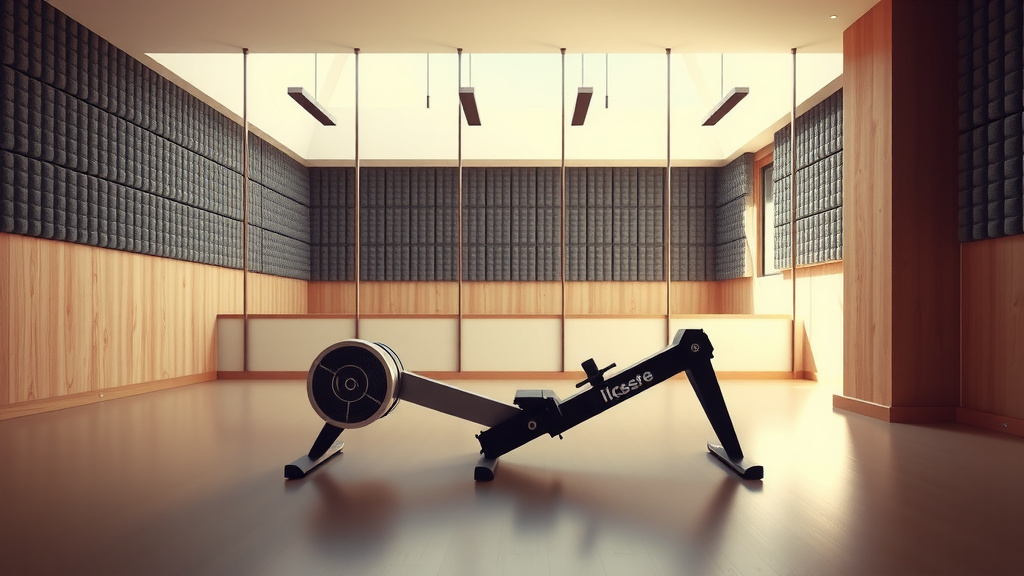
Hard surfaces bounce sound around. If your workout space is all bare walls and hard floors, sound will echo. Adding soft furnishings like rugs, curtains, or even tapestries can help absorb sound waves. It’s like adding blankets to a drum; it just quiets things down.
When to Consider Professional Help or Parts Replacement
What if you’ve tried everything, and your rower is still noisy? Sometimes, a component might be genuinely worn out. If you suspect a bearing issue or a deep internal problem, it might be time to contact the manufacturer or a certified technician. Don’t try to fix something if you’re unsure; you could void your warranty or cause more damage.
Worn Rollers or Bearings: The Invisible Culprits
If your seat isn’t gliding smoothly even after cleaning, the rollers might be worn. Similarly, if there’s a deep rumble, it could be a bearing issue. These require replacement parts. Most manufacturers sell replacement kits for common wear-and-tear items.
Hydraulic Damper Issues: A Less Common Problem
For hydraulic rowers, a leaking or failing damper can create unusual noises or inconsistent resistance. This is usually something you’d need to have serviced or replaced by the manufacturer.
Your Quiet Rowing Checklist
Here’s a quick list to run through before your next workout:
- Is the machine on a stable, flat surface?
- Is an exercise mat underneath?
- Are all visible bolts and screws tight?
- Is the chain (if applicable) clean and lubricated?
- Are the seat rail and rollers free of debris?
- Is the fan housing clear (for air rowers)?
- Are there any signs of worn parts like frayed belts?
Conclusion
Making your rowing machine quieter doesn’t require a magic wand. It simply calls for consistent attention and basic maintenance. By regularly cleaning, lubricating, and tightening your machine, you’re not just reducing noise; you’re also extending its lifespan and ensuring a smoother, more enjoyable workout experience. A little preventative care goes a long way. So, go forth, apply these tips, and enjoy the blissful sound of your own effort, not your machine’s protests!
FAQs
How often should I lubricate my rowing machine chain?
For chain-driven rowers, many manufacturers suggest lubricating the chain every 50 hours of use or once a month, whichever comes first. Always refer to your specific model’s manual for the best guidance.
Can a dirty environment make my rowing machine louder?
Absolutely! Dust, pet hair, and general debris can accumulate on rails, in fan housings, and around rollers. This build-up creates friction and can lead to grating or squeaking noises, increasing the overall sound.
Is it normal for air rowers to be louder than water or magnetic rowers?
Yes, air rowers generally produce more sound than water or magnetic rowers. The fan blades moving air to create resistance generate a distinct “whooshing” sound, which is an inherent part of their design.
What kind of mat should I use under my rowing machine for noise reduction?
You should use a thick, high-density exercise or equipment mat made from rubber or PVC. These materials are excellent at absorbing vibrations and protecting your floor, significantly dampening noise transmission.
When should I consider replacing parts instead of just fixing them?
If cleaning and lubrication don’t resolve the noise, and you notice visible wear like cracks, fraying, or persistent grinding that feels rough, it’s likely time for replacement. Components like seat rollers, drive belts, or bearings often need replacing after extended use.