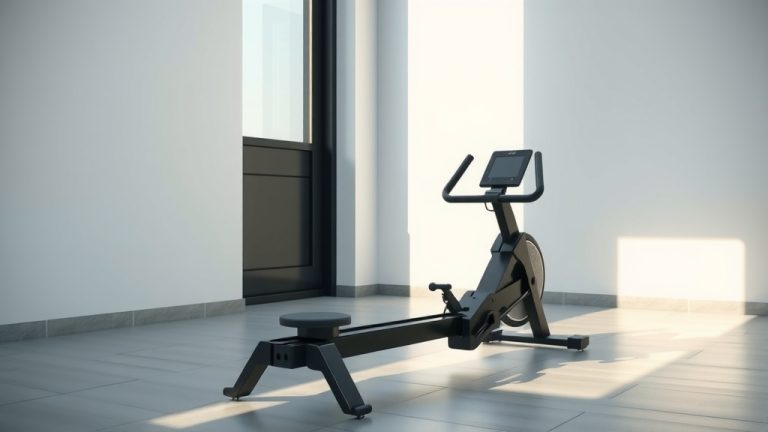
How To Start Using A Rowing Machine?
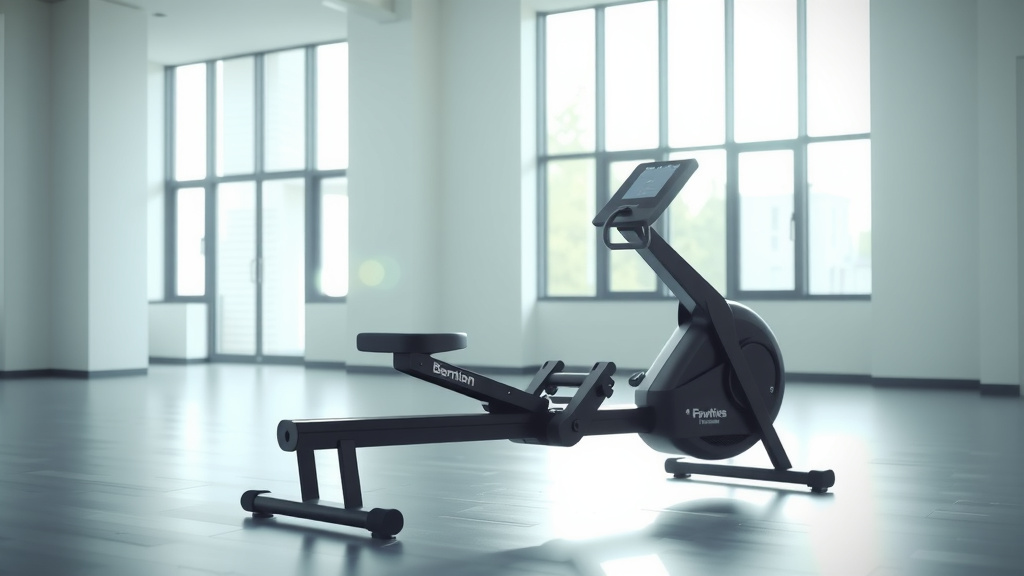
Starting with a rowing machine means learning the correct sequence: push with legs, then lean back with your core, and finally pull with your arms.
To begin using a rowing machine effectively, always prioritize proper form and a controlled rhythm over speed or intensity for safe and efficient workouts.
- Discover the precise rowing stroke for full-body strength and cardiovascular fitness.
- Learn how to properly set up your rowing machine and adjust resistance levels.
- Understand ideal beginner workout plans and how to safely increase your intensity.
- Identify and correct common rowing mistakes that can hinder your progress or cause strain.
- Find simple ways to stay engaged and consistent with your rowing routine over time.
How To Start Using A Rowing Machine?
Starting with a rowing machine is simpler than you might think.
It is about mastering a smooth, efficient movement for a full-body workout.
Your First Steps: Machine Setup and Readiness
Before you even pull the handle, take a moment to get comfortable.
Proper setup makes a big difference in your rowing experience.
Adjusting Foot Straps
Your feet should feel secure but not squeezed too tightly.
Place your feet on the footplates and tighten the straps over the widest part of your foot (the ball of your foot).
This ensures your feet stay put during the entire stroke, allowing you to drive powerfully (American Council on Exercise).
Understanding Resistance Levels
Most rowing machines use air, water, or magnetic resistance.
Lower numbers mean less resistance, making it easier to pull.
Higher numbers mean more resistance, making it harder.
For beginners, we recommend starting with a lower to medium setting.
This helps you focus on form without fighting the machine too much.
Mastering The Rowing Stroke: The Power of Four
The rowing stroke looks like one fluid motion, but it is actually four distinct phases.
Breaking it down helps you understand each part of the movement.
The Catch Phase
This is where you begin, sitting close to the front of the machine.
Your knees are bent, shins are vertical, and your arms are extended straight toward the flywheel.
Your back should be straight, leaning slightly forward from your hips.
Imagine you are preparing to push off a wall.
The Drive Phase
This is the powerhouse of the stroke.
You push off with your legs first, feeling the power through your heels.
As your legs extend, your core muscles get involved, leaning your torso back slightly.
Finally, pull the handle towards your upper abdomen with your arms.
It is a seamless flow: legs, then core, then arms.
The Finish Phase
At the end of the drive, your legs are straight, and your torso leans back slightly (around 11 o’clock if you imagine a clock face).
The handle is at your ribs, with elbows pointing behind you.
Your shoulders should be relaxed, not hunched up by your ears.
You should feel strong and balanced at this point.
The Recovery Phase
This is the return to the catch position, but in reverse order.
First, extend your arms straight back towards the flywheel.
Next, pivot your torso forward from your hips.
Finally, bend your knees, sliding forward until your shins are vertical again.
This controlled return readies you for the next powerful drive.
Common Mistakes and How To Fix Them
Many people fall into similar traps when they start rowing.
Being aware of these helps you correct them quickly.
| Mistake | The Simple Fix |
|---|---|
| Rounding your lower back. | Maintain a long, neutral spine throughout the stroke. |
| Pulling with arms too early. | Remember the sequence: legs, core, arms. |
| “Piking” (hips lifting before arms extend in recovery). | Extend arms first, then lean forward, then bend knees. |
| Gripping the handle too tightly. | Keep your grip light, like you are holding a bird. |
| Rushing the recovery phase. | Make recovery twice as slow as the drive. |
Your First Workouts: Gentle Start, Steady Progress
You would not run a marathon on your first day, right?
The same goes for rowing. Start slow and build up gradually.
Warm-up and Cool-down
Always begin with a 5-minute warm-up of light rowing.
After your workout, do another 5 minutes of very light rowing, then stretch.
This helps your body get ready and recover (Mayo Clinic).
Beginner Workout Structure
Try intervals of rowing and resting.
Row for 1 minute, then rest for 2 minutes.
Repeat this cycle 5-8 times for your first few sessions.
As you get stronger, you can increase the rowing time or decrease the rest time.
Listening To Your Body
Pain is a signal to stop. Discomfort is part of exercise, but sharp pain is not okay.
If something hurts, stop, adjust your form, or take a break.
We found that consistent, pain-free workouts yield better long-term results.
Maintaining Motivation and Consistency
Getting started is great, but staying consistent is where the real gains happen.
How can you keep that initial spark alive?
Set Realistic Goals
Aim for 2-3 rowing sessions per week at first.
Do not expect to row for an hour straight on day one.
Small, achievable goals build confidence and momentum.
Vary Your Workouts
Once you are comfortable with basic intervals, try different workouts.
Some days, focus on distance. Other days, focus on sustained effort.
This keeps things fresh and prevents boredom.
Track Your Progress
Most rowing machines have a monitor. Keep a log of your distances, times, or calories.
Seeing your numbers improve is incredibly motivating.
Many experts say tracking helps you stay accountable and celebrate wins (NIH).
Pre-Row Checklist for Success
Before each session, a quick mental or physical check helps.
- Adjust foot straps securely.
- Set resistance level appropriately for your fitness.
- Check your posture before starting, especially your lower back.
- Have water nearby to stay hydrated.
- Do a quick 5-minute warm-up.
- Clear any distractions for focused effort.
Conclusion
Beginning your rowing machine journey is a fantastic decision for your well-being.
Remember that good form is your most important tool.
Start gently, learn the stroke, fix common errors, and slowly build your workout duration.
With a little patience and consistency, you will soon enjoy the full-body benefits and rhythm of rowing.
So, strap in, grasp the handle, and enjoy the smooth glide of a truly effective workout.
What is the best resistance setting for rowing machine beginners?
For beginners, a lower to medium resistance setting is generally recommended. This allows you to focus on mastering proper form and technique without overexerting your muscles. As your strength and comfort grow, you can gradually increase the resistance.
How long should a beginner row on a rowing machine?
Beginners should aim for short intervals, such as 1 minute of rowing followed by 2 minutes of rest, repeated 5-8 times. Total workout time, including warm-up and cool-down, might be around 20-30 minutes. Gradually increase your rowing time as your endurance improves.
Can a rowing machine help me lose weight?
Yes, using a rowing machine can contribute to weight loss. It is a highly efficient full-body cardio and strength workout that burns many calories. Consistent rowing, combined with a balanced diet, helps create the calorie deficit needed for weight reduction.
What muscles does a rowing machine work?
A rowing machine engages nearly all major muscle groups. You will work your legs (quads, hamstrings, glutes), core (abs, lower back), and upper body (back, shoulders, arms). It is known for providing a comprehensive, balanced workout.
How can I make rowing machine workouts less boring?
To keep rowing engaging, try varying your workouts. Incorporate interval training, listen to music or podcasts, watch a show, or use apps that offer guided workouts and virtual scenic rows. Setting new, small goals, like rowing a certain distance, can also keep things interesting.