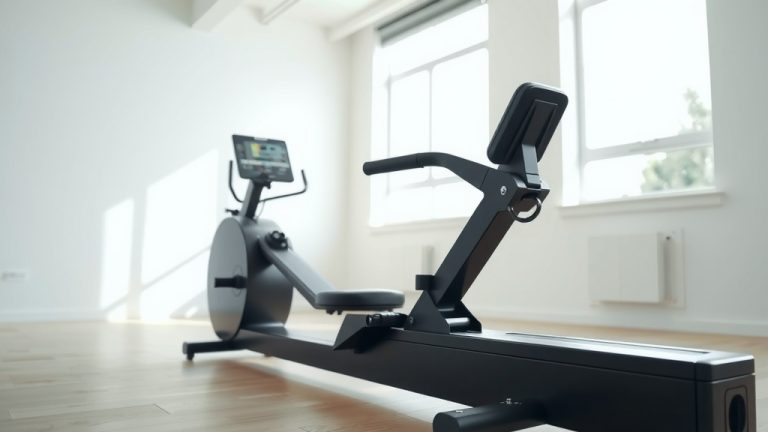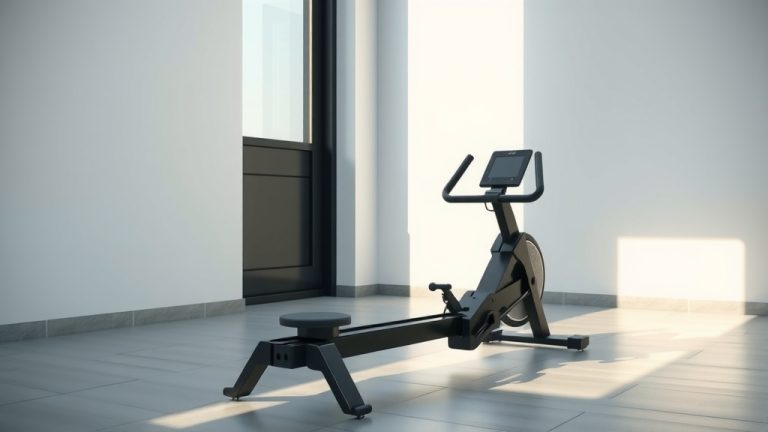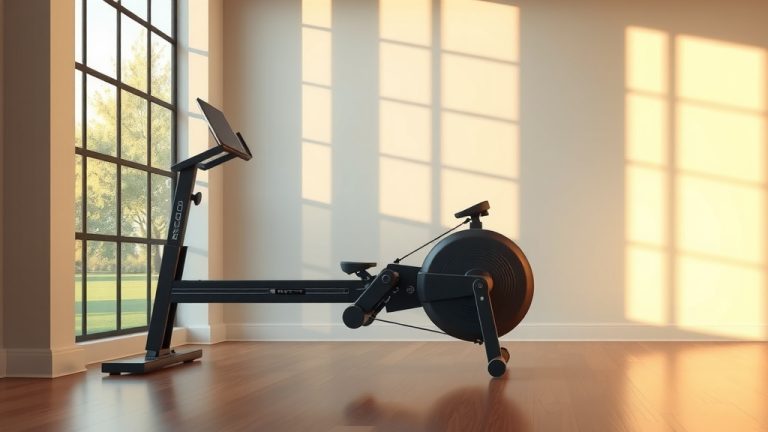
How To Stop Rowing Machine From Sliding?
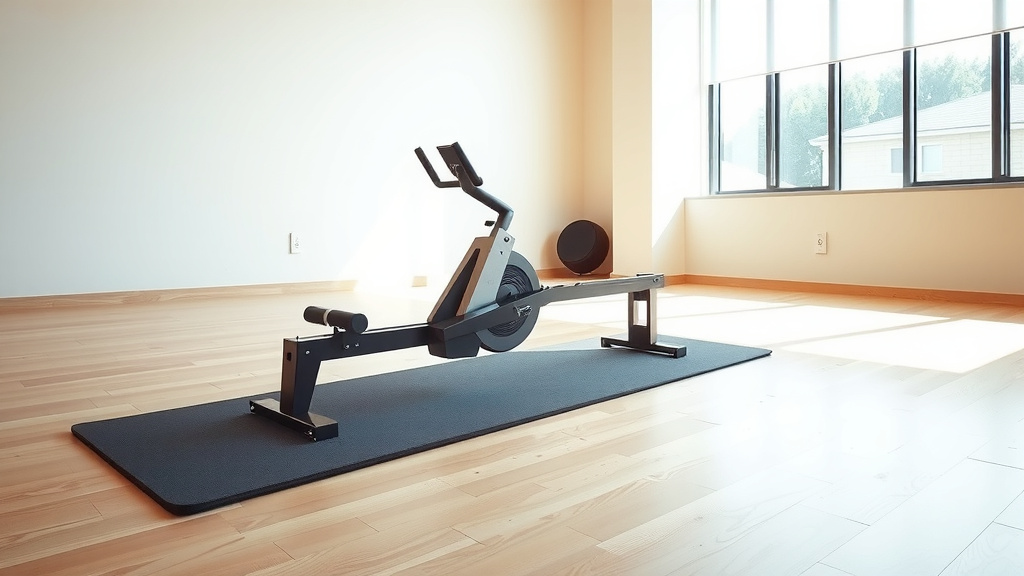
To stop your rowing machine from sliding, place it on a non-slip mat specifically designed for fitness equipment or use rubber feet grippers directly under the machine’s stabilizers. Ensure the floor surface is clean and dry.
Proper setup, regular checks of the rower’s feet, and considering your rowing technique can also significantly reduce or eliminate unwanted movement during your workout.
Here’s a quick summary of how to keep your rower in place:
- Use a specialized anti-slip mat under the machine.
- Install rubber furniture grippers or caster cups beneath the rower’s feet.
- Clean your floor thoroughly to remove dust or debris.
- Check your rowing form; smooth strokes cause less rocking.
- Ensure all machine bolts and feet are securely tightened.
How To Stop Rowing Machine From Sliding?
Keeping your rowing machine stable is key for a safe and effective workout. We found that the main solutions involve addressing the contact points between your rower and the floor. This also includes examining your technique.
Why Does My Rowing Machine Slide?
It’s frustrating when your rower moves around. Often, the issue comes down to friction. Your machine might be too light for its surface. Or, the floor itself may be too slick. Vigorous rowing can also push the machine around.
The Problem with a Sliding Rower
A sliding rower isn’t just annoying. It can be a safety concern. You risk losing your balance during a powerful stroke. It also distracts you from your workout. This means you might not get the full benefit of your exercise.
Safety First: Preventing Falls
Imagine pushing off strongly and your machine shifts. This could easily cause a slip. Many experts say that stability is paramount for any fitness equipment (Mayo Clinic). You want to feel planted, not precariously balanced.
Immediate Solutions for Rower Stability
Let’s dive into some quick and effective fixes. These options focus on improving grip. They are often the first things we recommend. You want to create a strong anchor point.
Invest in a Quality Rowing Machine Mat
This is often the best first step. A good mat provides excellent grip. It also protects your floor from sweat and scratches. Look for mats made from high-density rubber or PVC.
What to Look for in a Mat
A thick, non-slip mat is ideal. It should be slightly larger than your rower’s footprint. We found that mats with textured surfaces offer superior traction. This prevents both the mat and the rower from moving.
Rubber Grippers and Furniture Pads
If a mat isn’t enough, consider individual grippers. These are small, non-slip pads. You place them directly under each foot of your rowing machine. They create extra friction on smooth floors.
Types of Grippers to Consider
You can find rubber cups or adhesive pads. Rubber cups work well for machines with small, round feet. Adhesive pads stick to the rower’s frame. They prevent slipping on various surfaces.
Floor Preparation Makes a Difference
Sometimes, the solution is simpler than buying new gear. The condition of your floor plays a big role. A clean floor helps any anti-slip solution work better. You might be surprised at the impact.
Clean Your Floor Thoroughly
Dust, dirt, and even invisible oils can reduce friction. Give your workout area a good sweep and mop. We found that a clean surface dramatically improves stability. It’s like giving your rower fresh tires on a clean road.
Dry Surfaces Prevent Sliding
Moisture is the enemy of grip. Make sure your floor is completely dry before rowing. Even a little dampness can cause sliding. This is especially true on hardwood or tile floors.
Check Your Rowing Machine Itself
Sometimes, the problem isn’t the floor. It could be your machine. A few quick checks can confirm if your rower is ready for action. You want everything to be tight and secure.
Ensure All Feet are Level and Secure
Uneven feet can cause rocking and sliding. Check that all the machine’s feet are touching the ground. Many rowers have adjustable foot pads. You can twist these to level the machine. We found that this small adjustment prevents a lot of movement.
Tighten Any Loose Bolts or Screws
Over time, bolts can loosen from vibrations. This can make your rower feel wobbly. Grab a wrench and check all visible fasteners. A secure frame is a stable frame. This reduces the overall shifting of the unit.
Evaluate Your Rowing Technique
Believe it or not, your form can influence machine movement. A smooth, controlled stroke causes less impact. Jerky movements, on the other hand, can push your machine around. You want to glide, not thrash.
Focus on Smooth, Controlled Strokes
The rowing stroke should be fluid. Push with your legs first. Then lean back, then pull with your arms. Reverse this sequence for recovery. Many fitness experts suggest focusing on proper form (ACSM). This makes your workout more effective and reduces machine sliding.
Avoid Excessive Force or Jerking Motions
Resist the urge to yank the handle. Overly aggressive pulls can lift the front of the machine. This breaks its contact with the floor. Work on power, not brute force. Your rower will thank you.
Advanced Solutions and Floor Specifics
What if the usual tricks aren’t enough? Some floor types need extra consideration. Or, you might need a more permanent solution. You have options, even for challenging environments.
Securing on Carpeted Floors
Carpet can be tricky. It might seem to offer grip, but it can also bunch up. A firm, heavy mat still works best here. You need something that won’t ripple. Sometimes, placing plywood under the mat helps.
Dealing with Hardwood and Tile Floors
These are the slickest surfaces. They often pose the biggest challenge. High-quality rubber mats are essential. You might also need the individual rubber grippers. Research often connects durable rubber with maximum friction (NIH).
Consider a Dedicated Platform
For a permanent setup, a custom platform might be ideal. This could be made from heavy plywood. You can add rubber matting on top. This creates a solid, stable base. It eliminates all floor-related sliding issues.
Quick Stability Checklist for Your Rower
- Is your rower placed on a non-slip mat?
- Are all four feet of the rower touching the floor evenly?
- Have you checked and tightened all bolts on the machine?
- Is the floor beneath the rower clean and dry?
- Are you using a smooth, controlled rowing technique?
Here’s a comparison of common anti-slip solutions:
| Solution | Pros | Cons | Ideal For |
|---|---|---|---|
| Non-Slip Mat | Protects floor, good grip, reduces noise. | Can be bulky, requires space. | Most users, all floor types. |
| Rubber Grippers | Inexpensive, discreet, highly effective. | Only works on feet, doesn’t protect floor. | Hardwood, tile, or small budget. |
| Dedicated Platform | Ultimate stability, custom fit, protects floor. | Expensive, permanent, requires DIY skills. | Serious rowers, dedicated home gyms. |
Conclusion
Stopping your rowing machine from sliding is certainly achievable. It’s a common problem with straightforward solutions. You can improve stability with a combination of the right accessories and mindful technique. Start with a good mat or grippers, ensure your rower is level, and always practice smooth strokes. Your workout space will feel more secure and enjoyable, allowing you to focus on your fitness goals.
What kind of mat is best for a rowing machine?
A high-density rubber or PVC mat designed for fitness equipment is best. It should be thick enough to provide cushioning and have a textured surface for superior grip. This protects your floor and keeps the rower stable.
Can a dirty floor make my rowing machine slide more?
Yes, absolutely. Dust, dirt, and even tiny oil residues on the floor can create a slick surface. These reduce friction, allowing your rowing machine to slide more easily. A clean, dry floor is often a simple yet effective fix.
Is it normal for a rowing machine to move a little during a workout?
A very slight, almost imperceptible shift might occur with powerful strokes. However, significant or noticeable sliding is not normal. It indicates an issue with stability that should be addressed for safety and workout effectiveness.
Will tightening my rowing machine’s bolts help with sliding?
Yes, checking and tightening any loose bolts or screws on your rowing machine can definitely help. A wobbly frame causes more movement against the floor. A secure, rigid frame contributes to overall stability and reduces unwanted sliding.
Does my rowing technique affect how much the machine slides?
Your rowing technique plays a significant role. Jerky, aggressive strokes, especially when you pull too hard or lift off the seat, can cause the machine to shift. A smooth, controlled, and consistent stroke pattern minimizes movement and keeps your rower planted.